Insurance Fraud in Australia: How to Spot Scams and Protect Your Cover
Learn to recognise the most common insurance scams targeting Australians and discover practical steps to protect your car, home, life and health cover from fraudsters.

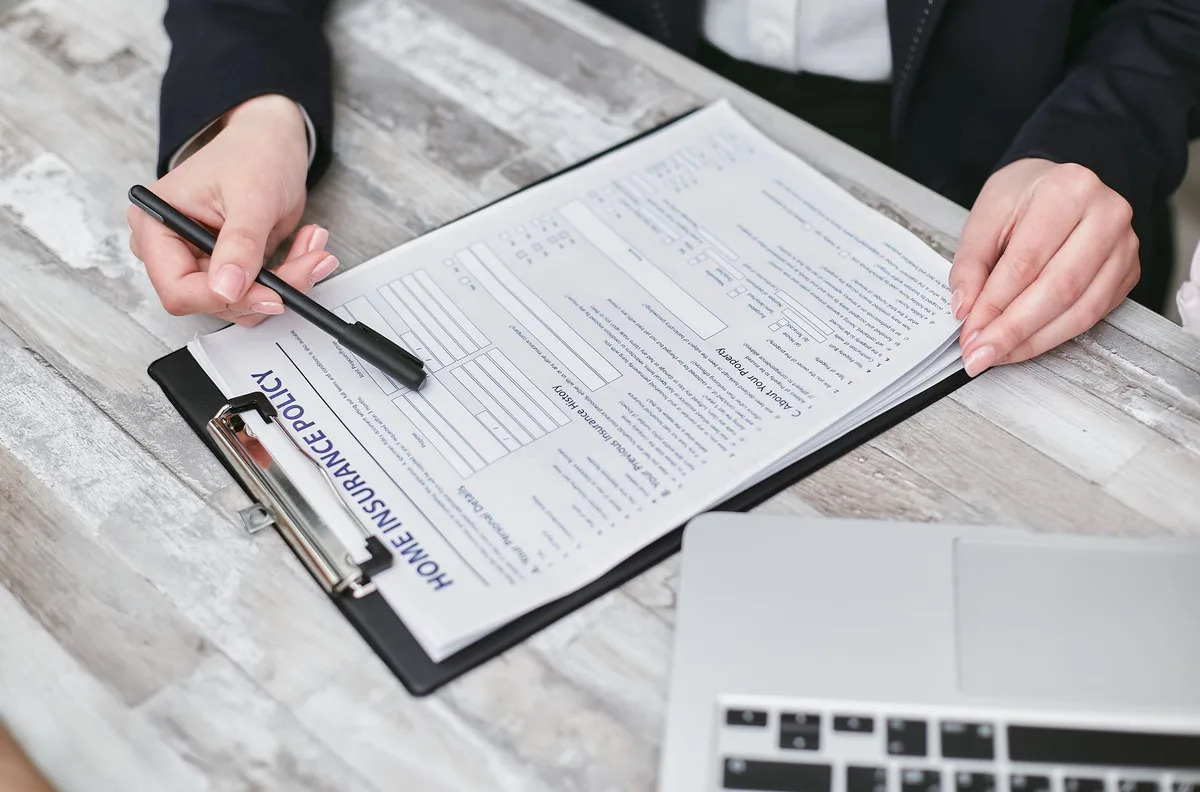
Pexels - cottonbro studio · original
In this article
Insurance fraud costs the Australian industry hundreds of millions of dollars each year, and these losses flow through to honest policyholders as higher premiums. While insurers face scams from both policyholders and third parties, consumers themselves are also targets for fraudsters selling fake policies, stealing personal information, or running elaborate schemes. Recognising the warning signs and taking protective steps can help you avoid becoming a victim and keep your genuine cover intact.
Insurance fraud is not a victimless act. According to the Australian Competition and Consumer Commission, scams targeting insurance products and personal information result in significant financial losses for consumers annually (ACCC, 2026). Understanding common fraud schemes, as covered in foundational business ethics texts such as Introduction to Business, helps consumers stay vigilant in an increasingly complex financial landscape.
8 Common Insurance Scams in Australia
1. Ghost Brokers and Fake Policies
Ghost brokers sell fraudulent insurance policies that appear legitimate but provide no actual cover. These scammers often advertise heavily discounted premiums on social media or classifieds, collect payment, and provide fake policy documents with forged insurer logos.
Warning signs: Prices far below market rate, payment requested via cash, money transfer or cryptocurrency, no Australian Financial Services Licence (AFSL) number provided, policy documents with spelling errors or inconsistent branding.
Protection: Always verify the broker holds a current AFSL by checking the ASIC register. Purchase cover directly from a known insurer or through a licensed broker, and confirm your policy is active by contacting the insurer directly using contact details from their official website, not the documents you were given (MoneySmart, 2026).
2. Premium Diversion by Dishonest Agents
An insurance agent or broker collects your premium payments but never passes them to the insurer, pocketing the money instead. You believe you are covered, but the insurer has no record of your policy.
Warning signs: Requests for cash payments, refusal to provide official receipts, inability to provide a policy number that the insurer can verify, contact only through personal mobile numbers rather than business lines.
Protection: Pay premiums by traceable methods such as credit card or direct debit, and confirm with the insurer that payments have been received and applied to your policy. Request and review official policy documents sent directly from the insurer.
3. Staged Accidents (Car Insurance)
Fraudsters deliberately cause or stage accidents to make false claims for vehicle damage, injuries or hire car costs. Common tactics include sudden braking to cause a rear-end collision, or pre-arranged collisions between conspirators who then make inflated claims.
Warning signs: The other driver immediately suggests a specific repairer or medical provider, multiple occupants in the other vehicle all claim injuries despite minimal visible damage, witnesses who appeared unusually quickly and seem to know the other driver.
Protection: Always report accidents to police when appropriate, take extensive photos of all vehicles and the scene, collect independent witness details, and report the claim promptly to your insurer with all factual details. Never agree to settle privately without involving your insurer if you hold comprehensive cover.
4. Inflated or Exaggerated Claims
Policyholders make legitimate claims but significantly inflate the value of damaged or stolen items, or add items that were not actually affected by the incident.
Warning signs for insurers: Inability to provide purchase receipts, valuations or photos of high-value items claimed, inconsistent descriptions of lost items, previous claims history showing a pattern.
Why it matters to you: Making an inflated claim is fraud, even if the underlying incident was genuine. If detected, your entire claim may be denied, your policy cancelled, and you may face criminal charges. Future cover may become impossible to obtain or prohibitively expensive.
5. False Injury Claims
Claimants exaggerate or fabricate injuries, particularly soft-tissue injuries like whiplash that are difficult to objectively prove, to claim compensation and medical expenses following an accident.
Warning signs for insurers: Medical treatment patterns inconsistent with claimed injury severity, claimant active on social media in ways inconsistent with disability claims, refusal to attend independent medical examinations, pre-existing injuries presented as accident-related.
Protection as a driver: If involved in an incident where the other party claims injury, report facts accurately to your insurer and never admit fault at the scene. Let your CTP (Compulsory Third Party) insurer handle injury claims according to your state or territory’s scheme.
6. Property Damage Exaggeration (Home and Contents)
Similar to inflated claims, policyholders damage their own property or claim pre-existing damage was caused by an insured event such as a storm or burglary.
Warning signs: Damage inconsistent with the claimed event, lack of forced entry in burglary claims despite claims of external theft, items reported stolen that later appear on selling platforms, timing of claims shortly after policy inception or increases in cover.
Honest approach: Maintain a home inventory with photos and receipts, especially for valuable items. Ensure your sum insured accurately reflects replacement costs when you take out or renew cover, and never be tempted to add items retrospectively after an incident occurs.
7. Phishing and Identity Theft Scams
Fraudsters impersonate legitimate insurers via email, SMS or phone calls, attempting to steal personal information, banking details or policy information. They may offer fake policy renewals, request updated payment details, or claim you are due a refund.
Warning signs: Unsolicited contact requesting immediate action or payment, generic greetings rather than your name, links to websites with URLs slightly different from the legitimate insurer, requests for passwords or full credit card details.
Read also: Car Recalls and Manufacturer Defects: How Insurance Responds in Australia
Protection: Never click links in unexpected emails or messages. Contact your insurer directly using contact details from your policy documents or the insurer’s official website. Legitimate insurers will never ask for your full password or PIN.
8. Fake Claims Assessors
After you lodge a legitimate claim, a scammer posing as an assessor or investigator contacts you, requests payment for processing fees or claims they can expedite your payout for a fee.
Warning signs: Requests for upfront payment, pressure to act quickly, contact details that do not match the insurer’s official channels, offers that sound too good to be true.
Protection: Verify any assessor’s identity by calling your insurer directly on the number listed in your Product Disclosure Statement (PDS) or policy documents. Legitimate assessors are appointed and paid by the insurer and will never request fees from you.
How to Protect Yourself from Insurance Fraud
Review your policy documents carefully when you receive them and confirm all details are correct. Check the insurer’s ABN and that the policy is issued by a licensed insurer regulated by the Australian Prudential Regulation Authority (APRA).
Read the Product Disclosure Statement (PDS) and Target Market Determination (TMD) to understand what is and is not covered. This knowledge helps you recognise when someone is making false promises about cover.
Keep detailed records of your assets, including purchase receipts, photos and valuations. This protects you in the event of a legitimate claim and removes any temptation to estimate values inaccurately.
If you suspect fraud, either by a third party or by someone involved in your claim, report it to your insurer immediately. You can also report insurance scams to the Insurance Council of Australia or make a complaint to the Australian Financial Complaints Authority (AFCA) if your insurer has not handled your concerns appropriately (AFCA, 2026).
Frequently Asked Questions
What should I do if I think my insurance broker is fraudulent?
Stop all payments immediately, check the ASIC register to verify if they hold a valid AFSL, contact the insurer directly to check if a policy exists in your name, and report the suspected fraud to ASIC and your state or territory police. You may also lodge a complaint with AFCA.
Can I be prosecuted for exaggerating a claim?
Yes. Deliberately providing false or misleading information to an insurer is fraud under Australian law and can result in criminal charges, fines and imprisonment. Insurers have dedicated fraud investigation teams and share information across the industry.
How do insurers detect fraud?
Insurers use data analytics, claims history patterns, social media monitoring, surveillance, independent medical examinations, site inspections and information-sharing arrangements with other insurers and law enforcement to identify suspicious claims.
Will reporting fraud affect my premiums?
Reporting fraud committed by others will not affect your own premiums. In fact, industry-wide fraud detection helps keep premiums lower for honest policyholders by reducing the overall cost of fraudulent claims.
Conclusion
Insurance fraud takes many forms, from fake policies sold to unsuspecting consumers to exaggerated claims lodged by policyholders. By staying alert to warning signs, verifying credentials, keeping detailed records and dealing only with licensed insurers and brokers, you can protect yourself from becoming either a victim or an unwitting participant in fraud. If something feels wrong or too good to be true, trust your instincts and verify the details independently before proceeding.
Before making decisions about your insurance cover, read the relevant Product Disclosure Statement (PDS) and Target Market Determination (TMD) available from the insurer. If you suspect fraud or need advice about your rights, contact the Australian Financial Complaints Authority (AFCA) or seek guidance from a licensed insurance adviser.
General Advice Warning: This article provides general information only and does not take into account your objectives, financial situation or needs. Before acting on this information, consider whether it is appropriate for you and read the relevant Product Disclosure Statement (PDS). Consider obtaining personal advice from a licensed insurance adviser regarding your specific circumstances.
Sources
- Insurance - MoneySmart (accessed )
- Consumer Resources - Insurance Council of Australia (accessed )
- Consumer Protection - ACCC (accessed )
- Make a Complaint - AFCA (accessed )
- Introduction to Business (accessed )
Related articles
Mental Health Claims in Australian Life Insurance: TAL Data Shows the Defining Challenge
TAL data shows mental health conditions now dominate Australian life insurance claims. Understand the trend, what it means for cover, and disclosure rules.

Understanding Claim Approval Rates and Insurance Advice in Australia
Australian insurers may approve claims differently based on whether customers used licensed advice. Learn why advice matters and how to protect your claim.

Australia's Largest Insurer IAG Reports 138% Profit Increase Despite Cyclone and Flood Claims
IAG posted a 138% profit increase despite cyclone and flood claims. What this means for Australian policyholders and insurance premiums.
