Pet Insurance in Australia 2026: When It's Worth the Monthly Premium
Compare when pet insurance delivers value against the cost of premiums, and when self-insuring makes more financial sense for Australian pet owners.
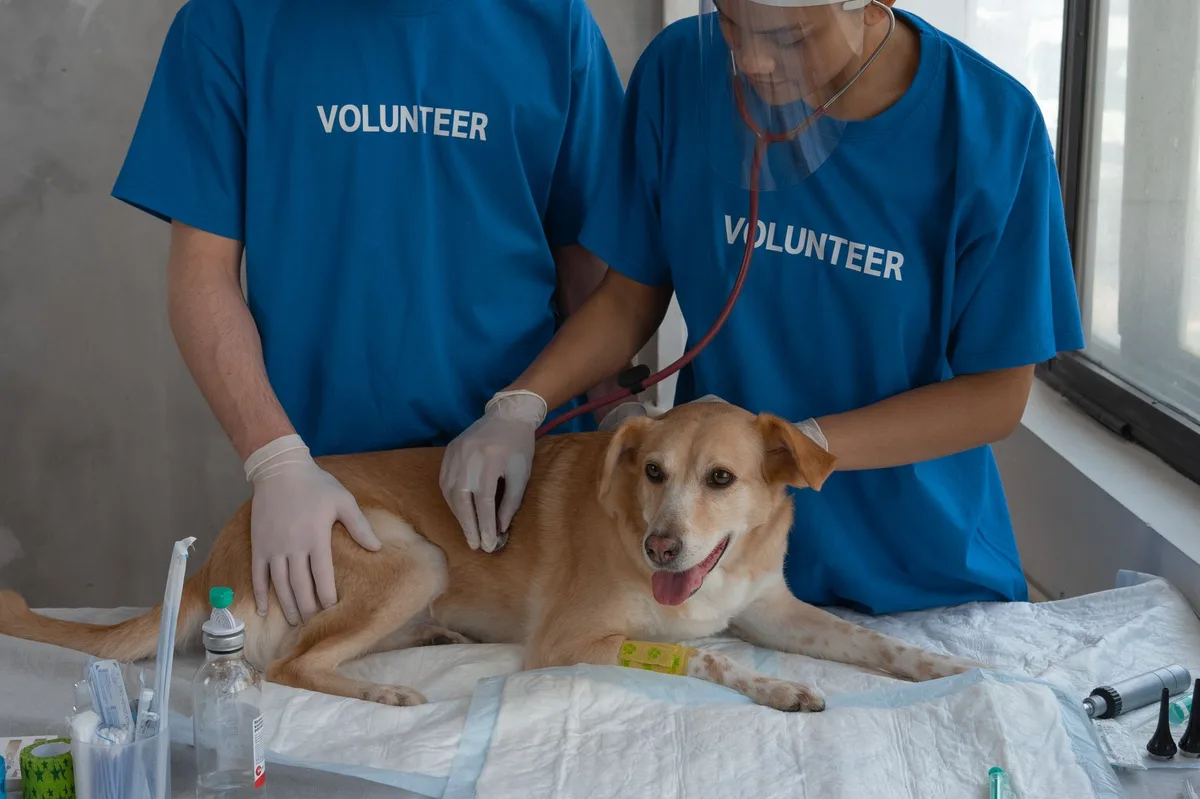
Pexels - Mikhail Nilov · original
In this article
Key Takeaway
Pet insurance in Australia is worth the monthly premium when your pet is young and healthy, you cannot afford a A$3,000 to A$10,000 emergency bill, or your pet is a breed prone to expensive conditions. It is generally not worth it if your pet is over 8 years old with pre-existing conditions, you have A$5,000 or more in savings earmarked for vet bills, or you own a low-risk mixed-breed cat. The decision comes down to your financial buffer, your pet’s age and breed risk, and whether you value budget predictability over long-term cost.
Pet insurance premiums in Australia typically range from A$30 to A$120 per month depending on the animal, breed, age, and level of cover. Over a pet’s lifetime, you may pay A$10,000 to A$20,000 in premiums. Whether that represents value depends on the claims you make, the exclusions in your policy, and your ability to self-insure.
When Pet Insurance Is Worth the Premium
Young, Healthy Pets with Accident and Illness Cover
Comprehensive policies covering accidents and illnesses deliver the best value when taken out while your pet is young (under 3 years old) and has no pre-existing conditions. Premiums are lowest at this age, and the policy locks in cover before conditions develop that would later be excluded. A cruciate ligament repair can cost A$4,000 to A$6,000, and cancer treatment can exceed A$10,000. If your dog injures a knee at age 4, the insurance pays for itself in a single claim.
According to the Insurance Council of Australia, comprehensive pet policies typically cover 80 per cent of eligible vet bills after the excess, meaning a A$5,000 surgery costs you the A$200 to A$500 excess plus 20 per cent of the remainder, or around A$1,100 total (Insurance Council of Australia, 2026). That compares favourably to the A$5,000 out-of-pocket cost without cover.
High-Risk Breeds and Purebreds
Certain breeds carry higher risk of expensive hereditary conditions. Labradors and golden retrievers are prone to hip dysplasia (surgery A$6,000 to A$10,000 per hip), bulldogs and pugs face breathing issues requiring surgery (A$3,000 to A$8,000), and cavalier King Charles spaniels develop heart conditions. For these breeds, insurance is often worth it even if premiums are higher, because the likelihood of a major claim is substantial.
Limited Financial Buffer
If an unexpected A$4,000 vet bill would force you to use credit, skip treatment, or face financial hardship, pet insurance provides essential peace of mind. As explained in foundational finance texts such as Principles of Finance, insurance transfers risk from individuals to a pooled fund, which is valuable when the individual cannot absorb the loss. For many households, a A$50 monthly premium is manageable, but a A$7,000 emergency is not.
When Pet Insurance Is Not Worth the Premium
Older Pets with Pre-Existing Conditions
Most pet insurers exclude pre-existing conditions entirely. If your 9-year-old dog already has arthritis, diabetes, or a heart murmur, those conditions and any related treatments will not be covered. New policies taken out for senior pets (over 8 years) face high premiums (often A$80 to A$150 per month), waiting periods, and extensive exclusions. You are paying for cover that applies only to new, unrelated conditions, which may never occur before the pet passes.
Annual premiums for a senior pet can exceed A$1,500, and many owners find they pay more in premiums than they claim over the pet’s remaining years.
Strong Savings and Self-Insurance Capacity
If you have A$5,000 or more set aside specifically for pet emergencies and you can replenish it after a claim, self-insuring is often more cost-effective over the long term. Put the A$60 monthly premium into a dedicated savings account instead. Over 10 years, that is A$7,200 saved, plus interest, and it remains yours if your pet stays healthy.
According to ASIC MoneySmart, self-insurance works best when you have the discipline to save regularly and the financial resilience to cover a large bill without disrupting other goals (ASIC MoneySmart, 2026). It does carry the risk of a major bill in year one before savings accumulate, so it suits households with existing emergency funds.
Read also: Pet Insurance in Australia in 2026: When It’s Worth the Monthly Premium
Low-Risk Pets and Accident-Only Scenarios
Mixed-breed cats and small indoor dogs generally face lower vet costs than large purebred dogs. Routine care (vaccinations, desexing, dental cleaning) is not covered by most policies, and many healthy cats go years without serious illness. If you opt for accident-only cover to reduce premiums, be aware that the majority of expensive claims are for illnesses (cancer, organ failure, chronic conditions), not accidents. Accident-only policies may cost A$25 to A$40 per month but provide limited value if the real risk is illness.
Comparison Table: Worth It vs Not Worth It
| Scenario | Premium (monthly) | Worth It? | Why | |---|---|---| | 2-year-old Labrador, comprehensive cover | A$60 | Yes | High breed risk, low premium at young age, full cover for future conditions | | 10-year-old mixed-breed cat, comprehensive cover | A$90 | No | High premium, likely pre-existing conditions excluded, limited years of cover | | 1-year-old bulldog, accident and illness cover | A$85 | Yes | Breed prone to expensive surgeries, young enough to avoid exclusions | | Any pet, owner has A$8,000 in pet savings fund | A$50 | No | Self-insurance more cost-effective over lifetime | | 4-year-old mixed-breed dog, accident-only cover | A$30 | Marginal | Low premium, but most claims are for illness, not accidents |
Who Should Buy Pet Insurance
Pet insurance makes sense if you own a young pet (under 5 years), a high-risk breed, or cannot comfortably absorb a A$3,000 to A$10,000 vet bill. It also suits owners who value budget predictability and would rather pay a fixed monthly amount than face variable, unpredictable costs.
Take out cover early, before conditions develop. Review the Product Disclosure Statement (PDS) carefully to understand exclusions, waiting periods (often 30 days for illness), annual limits, and benefit percentages. Some policies cap payouts at A$10,000 or A$15,000 per year, which may not cover the full cost of cancer treatment or complex surgery.
Who Should Skip It or Self-Insure
Skip pet insurance if your pet is over 8 years old with existing health issues, you have strong savings, or you own a low-risk animal. Direct the premium into a dedicated savings account and build your own emergency fund. Self-insurance avoids the limitations of policy exclusions, waiting periods, and annual caps, and any unused funds remain yours.
Be realistic about your savings discipline. If you would spend the money elsewhere, insurance provides enforced saving through the premium.
Conclusion
Pet insurance in Australia is worth the monthly premium when it protects you from costs you cannot afford and when the pet is young and healthy enough to benefit from full cover. It is not worth it when exclusions eliminate most potential claims, premiums exceed likely costs, or you have the financial capacity to self-insure. Read the PDS, compare at least three insurers, and consider your pet’s age, breed, and your household’s financial buffer before deciding. For many owners, the right answer is comprehensive cover taken out early, then reviewed annually as the pet ages and premiums rise.
General advice warning: This article provides general information only and does not take into account your personal objectives, financial situation, or needs. Before purchasing or declining pet insurance, consider whether it is appropriate for you, read the Product Disclosure Statement (PDS) and Target Market Determination (TMD) from the insurer, and consider seeking personal advice from a licensed financial adviser. Pet insurance policies vary by insurer and by state or territory. Confirm exclusions, waiting periods, benefit limits, and premium increases with the insurer before deciding. Coverage for pre-existing conditions, hereditary conditions, and certain treatments may be limited or excluded. This is general education, not individualised financial advice.
Sources
- Insurance (accessed )
- Consumer Resources (accessed )
- Consumer Protection (accessed )
- Principles of Finance (accessed )
Related articles
When Pet Insurance Is Worth the Monthly Premium in Australia
Discover when pet insurance is worth the monthly premium in Australia, including high-cost scenarios, breed risks, and alternatives to cover.

Pet Insurance Cost in Australia: What Affects Your Annual Premium
Learn what affects pet insurance premiums in Australia. Calculate your annual cost based on breed, age, cover type, and location.

My Home Insurance Premium Leapt to $7000 in Australia: Here's What I Did
My home insurance jumped to $7000. I took 7 steps to tackle the increase and saved over $2000. Here's what worked for Australian homeowners.
