How Accurate Are Flood-Risk Ratings Behind Home Insurance Premium Hikes in Australia?
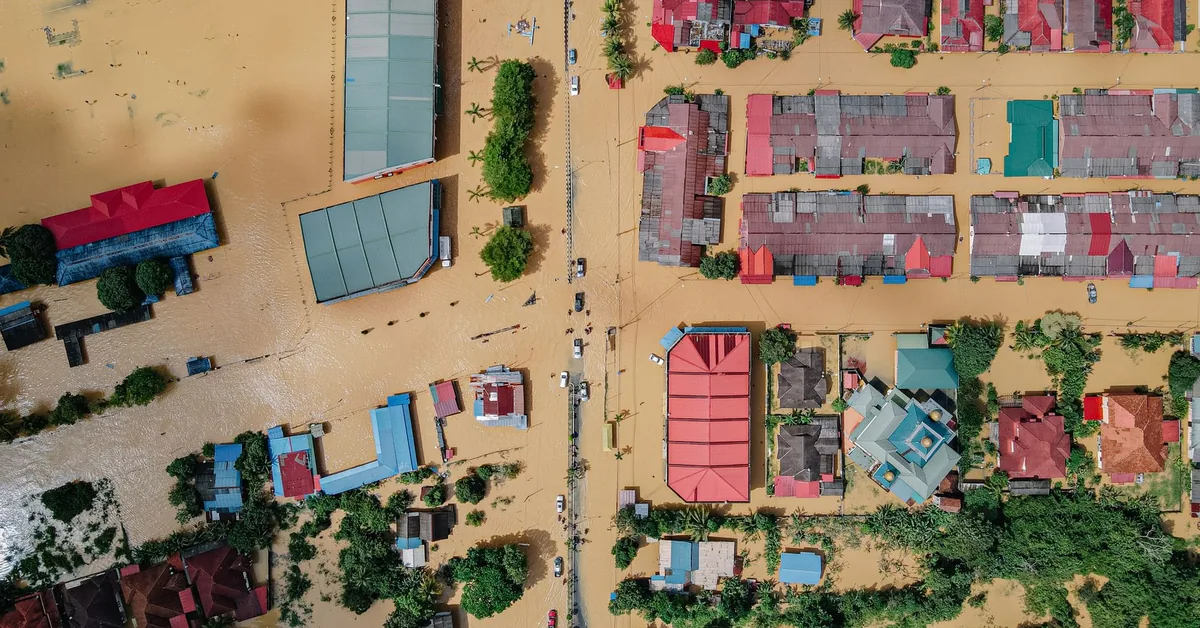
Flood-risk ratings used by Australian insurers are generally accurate but increasingly lag behind climate reality, contributing to premium increases even for properties that have never flooded.
Pexels - Pok Rie · original
In this article
Flood-risk ratings used by Australian insurers are generally accurate based on historical flood data and terrain modelling, but they increasingly lag behind current climate reality. Most insurers use commercial risk-assessment models that analyse elevation, proximity to waterways, and past flood events. However, these models often rely on historical data that does not fully account for intensifying rainfall patterns and more frequent extreme weather events. This gap means premiums can rise sharply even for properties that have never flooded, as insurers price in future risk rather than past experience alone.
How Flood-Risk Ratings Work in Australia
Australian insurers determine flood risk by combining government flood-mapping data with proprietary modelling systems. These models assess factors including your property’s elevation, distance from rivers or coastlines, local drainage capacity, and the frequency of past flood events in your postcode. Each property receives a risk score, typically ranging from low to extreme, which directly influences whether flood cover is offered and at what premium.
According to ASIC MoneySmart, insurers are not required to use a single standardised model, which means two insurers can assign different risk ratings to the same address (MoneySmart, 2026). This variation explains why premiums for identical properties can differ significantly between providers.
Why Accuracy Is Increasingly Questioned
The core issue is that most flood models rely heavily on historical flood records spanning 30 to 50 years. Climate change has shifted rainfall intensity and flood frequency beyond what past data predicts, particularly in eastern Australia where severe flooding in Queensland and New South Wales from 2021 to 2024 exceeded many model projections. Properties previously rated as low or moderate risk have flooded, while insurers have responded by recalibrating models and raising premiums across broader areas.
The Insurance Council of Australia notes that updating risk models to incorporate climate projections is complex and expensive, and some insurers update their systems more frequently than others (Insurance Council of Australia, 2026). This creates a lag where premiums may spike before actual risk is fully understood, or conversely, underestimate emerging risk in newly vulnerable areas.
What This Means for Your Premium
If your home insurance premium has increased due to flood-risk rating changes, the rating itself is likely directionally accurate, the insurer has identified genuine increased exposure, but the specific risk level and premium may vary between insurers. Properties in flood-prone postcodes, even if never personally flooded, will see higher premiums as insurers price the statistical likelihood of a future event.
Read also: Weighing the Risks of Flood Insurance as Cyclone Season Nears in Australia
Before renewing, compare quotes from multiple insurers (risk ratings differ), confirm your property’s flood-risk classification directly with the insurer, request to see the basis for the rating if it seems incorrect, and check whether your state government offers any flood-mitigation grants or rebates that could lower your risk profile and, eventually, your premium.
What to Do Next
Review your current home insurance Product Disclosure Statement (PDS) to confirm whether flood cover is included, excluded, or offered as an optional add-on. If your premium has increased significantly, obtain quotes from at least two other insurers, their models may rate your property differently. For properties in high-risk areas, consider whether self-insuring the flood component or adjusting your sum insured and excess could manage costs, but always weigh this against the actual financial exposure if a flood occurs.
Verify your property’s official flood-risk classification through your local council or state emergency service mapping tools, as these are independent of insurer models. If you believe your property has been incorrectly rated, gather evidence such as elevation certificates, drainage reports, or records showing the property has remained dry during known flood events, and request a reassessment from your insurer.
General Advice Warning: This article provides general information only and does not take into account your objectives, financial situation, or needs. Before acting on any information in this article, you should consider whether it is appropriate for you, read the relevant Product Disclosure Statement (PDS), and consider obtaining personal advice from a licensed insurance adviser. Flood cover, risk ratings, exclusions, and premiums vary significantly by insurer, property location, and state or territory. Always confirm current terms and conditions in the PDS and consult a licensed adviser for your personal circumstances.
Sources
- Insurance (accessed )
- Consumer Resources (accessed )
- Australian Government Services (accessed )
Related articles
Weighing the Risks of Flood Insurance as Cyclone Season Nears in Australia
Australian homeowners in cyclone and flood-prone regions weigh flood insurance costs against rising natural disaster risks. What to consider.
How to Buy Flood Insurance Before Australia's Storm Season Begins
Practical guide to buying flood insurance before storm season in Australia. Understand cover options, assess risk, and secure protection.
Why Home Insurance Can Become Unaffordable for Flood Victims in Australia
Why flood victims in Australia can face unaffordable home insurance, what drives premiums, and what to check before cancelling cover.
