Time Limits on Car Insurance Claims in Australia
Australian car insurance policies typically require you to notify your insurer as soon as reasonably possible after an incident, with most insurers setting practical deadlines of 30 to 90 days for filing a formal claim.
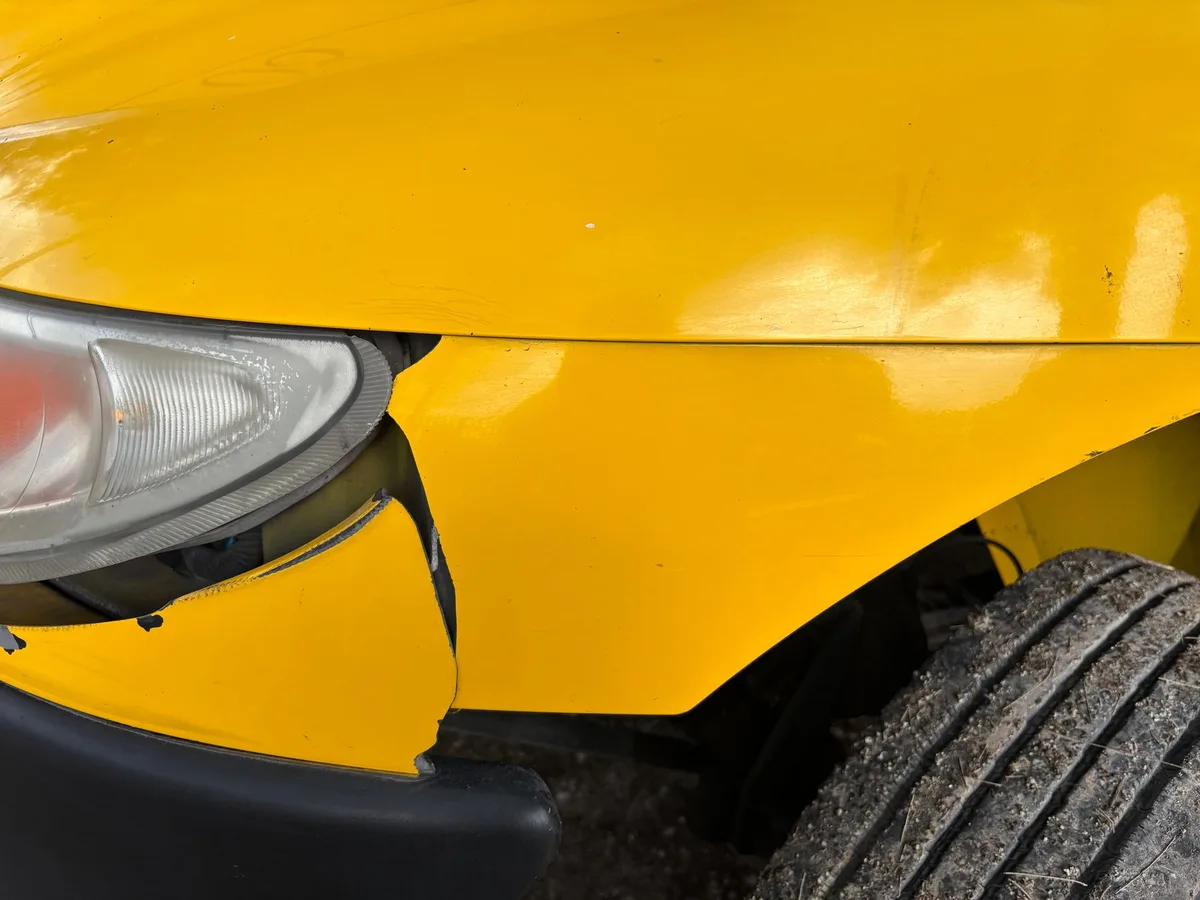
Pexels - Jorge Romero · original
In this article
Key Takeaway
Yes, there are time limits on car insurance claims in Australia. Most insurers require you to notify them as soon as reasonably possible after an incident, with practical deadlines typically ranging from 30 to 90 days for lodging a formal claim. Missing these deadlines can result in your claim being denied, though exceptions exist for circumstances beyond your control.
Understanding Notification Requirements
Australian car insurance policies distinguish between two critical timeframes: the notification period and the claim filing period. The notification requirement obligates you to inform your insurer of an incident as soon as reasonably possible, even if you have not yet decided whether to make a claim. This immediate notification applies to all types of car insurance, from Compulsory Third Party (CTP) through to comprehensive cover.
According to the Insurance Council of Australia, prompt notification allows insurers to investigate incidents while evidence is fresh, witnesses are available, and damage can be properly assessed (Insurance Council of Australia, 2026). Delays in notification can raise questions about the legitimacy of a claim or make it difficult for the insurer to verify what occurred.
Claim Filing Deadlines
While notification should happen immediately, the formal claim filing deadline gives you time to gather documentation, obtain repair quotes, and submit your complete claim. Most Australian insurers set this deadline between 30 and 90 days from the date of the incident, though the exact timeframe is specified in your Product Disclosure Statement (PDS).
For comprehensive car insurance, third party property damage, and third party fire and theft policies, the claim filing period typically allows 60 days from the incident. CTP (green slip) claims in NSW, which cover personal injury from motor vehicle accidents, have different statutory time limits: you generally have three years to lodge a claim for injuries, though you must notify the CTP insurer within 28 days of becoming aware of the injury.
The variation across policy types and states means you should always check your specific PDS and the relevant state or territory motor accident scheme requirements. ASIC MoneySmart advises reading your PDS carefully to understand your obligations (MoneySmart, 2026).
What Happens If You Miss the Deadline
Missing the notification or claim filing deadline can result in your insurer denying your claim entirely. Insurance contracts in Australia are based on the principle of utmost good faith, which requires both parties to act honestly and disclose relevant information promptly. A significant delay without reasonable explanation can be seen as a breach of this duty.
However, insurers cannot automatically reject a late claim without considering your circumstances. If you can demonstrate that the delay was due to factors beyond your control, such as hospitalisation following an accident, absence from the country, or genuine unawareness of the incident’s full extent, the insurer must consider your explanation. The Australian Financial Complaints Authority (AFCA) reviews disputes where insurers have denied claims based on late notification, examining whether the delay was reasonable and whether it materially prejudiced the insurer’s ability to assess the claim (AFCA, 2026).
Exceptions and Special Circumstances
Several circumstances may extend or excuse late notification. If you were incapacitated due to injuries from the accident, most insurers will accept notification once you recovered sufficiently. If the damage was not immediately apparent, such as internal mechanical damage that only manifested weeks later, the notification period typically begins when you became aware of the damage, not when the incident occurred.
For hit-and-run incidents where the other driver cannot be identified, or for delayed injury claims under CTP, different rules apply. You should notify your insurer as soon as you become aware of the need to claim, even if considerable time has passed since the original incident.
Read also: How to Compare Car Insurance Quotes in Australia the Right Way
Third party claims, where another party is claiming against your insurance, also follow different timelines. The injured party has their own limitation period to pursue compensation, which varies by state and can extend to several years for personal injury claims.
Practical Steps to Avoid Issues
To protect your right to claim, notify your insurer immediately after any incident, regardless of fault or whether you intend to claim. Taking photos of the scene, damage, and any other vehicles involved creates timestamped evidence. Obtain a police report number for accidents involving injury, hit-and-run, or significant damage, as many insurers require this for claims processing.
Keep detailed records of all communications with your insurer, including the date and time you notified them, the name of the person you spoke with, and any reference numbers provided. Gather supporting documentation such as repair quotes, medical reports for injury claims, and witness statements while they are fresh.
Common Mistakes
Many policyholders assume minor damage does not need to be reported if they are not claiming immediately. This is incorrect. Even if you plan to pay for minor repairs yourself, notifying your insurer protects you if the other party later makes a claim against you, or if the damage proves more extensive than initially apparent.
Another mistake is waiting to see if the other party will claim first. In incidents where fault is disputed or shared, both parties should notify their respective insurers immediately. Delaying notification because you hope to avoid a claim can backfire if the other party files first and your insurer then questions why you failed to report the incident.
Some drivers also confuse the claim filing deadline with the limitation period for legal action. While you might have years to pursue legal action for damages, your insurance claim deadline is much shorter and is set by your policy terms, not by statute.
Next Steps
Review your car insurance PDS today to confirm the notification and claim filing deadlines for your specific policy. If you have been involved in an incident, contact your insurer immediately, even if you are uncertain about making a claim. For disputes about late claims or denied claims based on timing, contact AFCA for independent review. Always verify current requirements and timeframes with a licensed insurance adviser before acting, as policy terms and state regulations vary.
General Advice Warning
This article provides general information only and does not take into account your objectives, financial situation, or needs. Before acting on this information, consider whether it is appropriate for you. Read the relevant Product Disclosure Statement (PDS) and Target Market Determination (TMD), and consider obtaining personal advice from a licensed insurance adviser. Cover terms, exclusions, notification deadlines, and claim filing periods vary by insurer, policy type, and state or territory. Always confirm current requirements directly with your insurer and verify details in your PDS before making decisions about claims.
Sources
- Car Insurance Guide (accessed )
- Consumer Resources and Guides (accessed )
- Making a Complaint About Insurance (accessed )
- Car Insurance Comparison and Guides (accessed )
Related articles

How to Compare Car Insurance Quotes in Australia the Right Way
Learn how to compare car insurance quotes in Australia properly. Check excess, inclusions, exclusions and read the PDS to get the right cover.

Comprehensive vs Third-Party Car Insurance in Australia: Which Is Worth It?
Compare comprehensive vs third-party car insurance in Australia. Learn which level of cover suits your vehicle value, budget, and driving needs.

How to Choose the Right Car Insurance Coverage for Your Needs
Learn how to choose the right car insurance coverage in Australia. Compare CTP, third party, and comprehensive options to find the best policy for your needs.
