What UK Homeowners Should Know About Flood Insurance
Flood insurance protects your home and belongings from flood damage, and coverage is available even in high-risk areas through the Flood Re scheme.

Pexels - Civan D. · original
In this article
Flood insurance in the UK is typically included in standard buildings and contents insurance policies, covering damage from surface water, burst rivers, and coastal flooding. Even if you live in a high-risk flood area, you can usually obtain cover through the Flood Re scheme, which helps make flood insurance affordable for properties at greatest risk. Check your flood risk using the Environment Agency’s online maps, and confirm exactly what flood damage your policy covers before you buy.
How Flood Insurance Works in the UK
Most UK home insurance policies include flood cover as standard within both buildings and contents insurance. Buildings insurance protects the structure of your home (walls, floors, roof, fixed kitchen units) from flood damage, while contents insurance covers your belongings (furniture, electronics, clothing) if they are damaged or destroyed by flooding.
According to the Association of British Insurers, flood cover is not sold separately in the UK. Instead, it forms part of your overall home insurance policy (ABI, 2024). When comparing policies, check the policy wording to confirm flood damage is included and understand any sub-limits or exclusions that may apply to certain types of water damage.
The Flood Re Scheme
Flood Re is a government-backed reinsurance scheme launched in 2016 to help homeowners in high-risk flood areas obtain affordable cover. If you live in a property built before 2009 and located in a flood-risk zone, your insurer may pass the flood risk portion of your premium to Flood Re, capping your flood premium at a fixed band based on your council tax bracket (Flood Re, 2024).
Not all properties qualify: new-build homes constructed after 1 January 2009, commercial properties, and buy-to-let properties are excluded from the scheme. If your home is eligible, you do not apply to Flood Re directly. Your insurer arranges it when you buy or renew your policy.
Checking Your Flood Risk
Before purchasing home insurance, check your property’s flood risk using the Environment Agency’s online flood risk map (for England), Natural Resources Wales (for Wales), or the Scottish Environment Protection Agency (for Scotland). These tools show whether your postcode sits in a low, medium, or high flood-risk area.
Even if your area has not flooded recently, surface water flooding (from heavy rainfall overwhelming drains) can affect properties far from rivers or the coast. Knowing your flood risk helps you choose the right level of cover and decide whether to add optional accidental damage to your policy, which may cover some water-related incidents not classed as flooding.
What to Do Next
When arranging or renewing your home insurance, confirm that flood cover is included and ask whether the policy has any excess specific to flood claims. If you live in a high-risk area and struggle to find affordable cover, contact insurers who participate in Flood Re or use a broker who specialises in flood-risk properties. Read the policy wording and key facts document carefully, and verify current terms and availability with an FCA-authorised insurance adviser before making your decision.
Financial Disclaimer: This article provides general information only and is not regulated financial advice. We are not authorised by the Financial Conduct Authority. Your personal circumstances, flood risk, and cover needs vary, so consider speaking to an FCA-authorised insurance adviser for guidance specific to your situation. Policy terms, exclusions, and eligibility for schemes such as Flood Re can change, so confirm all details with your insurer or a qualified adviser before purchasing or renewing cover.
Sources
- Flood Re - Making Flood Insurance More Affordable (accessed )
- Insurance Guidance (accessed )
- Choosing the Right Insurance (accessed )
Related articles
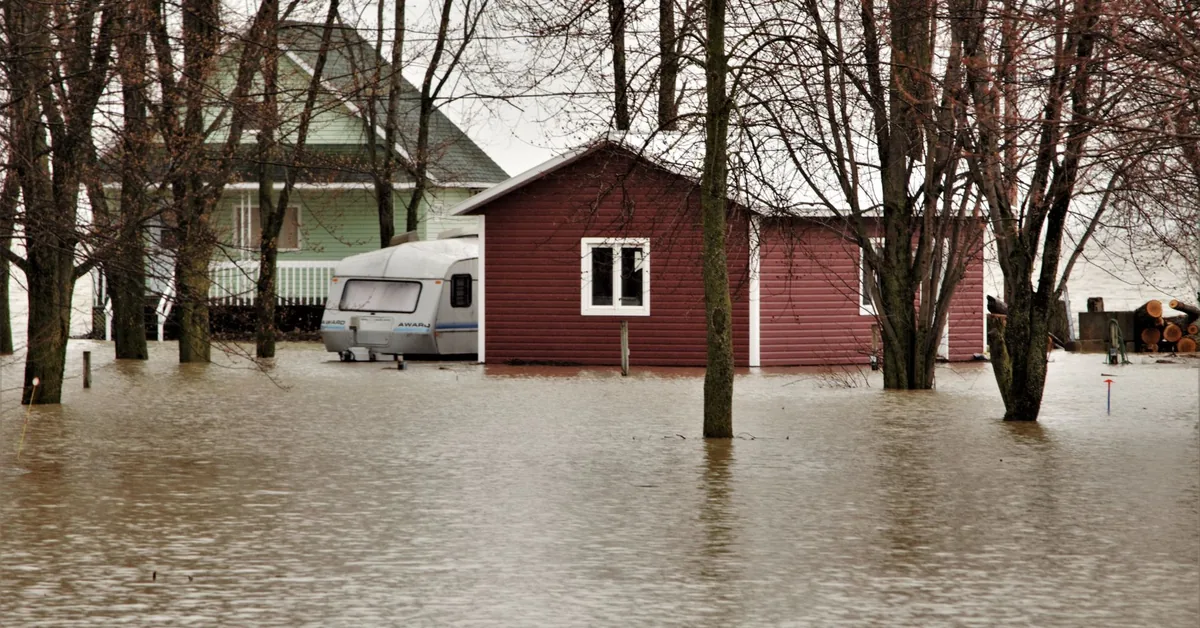
Weighing the Risks of Flood Insurance in the UK
UK homeowners face flood insurance decisions. Learn how Flood Re works, assess your risk, and weigh costs against protection.
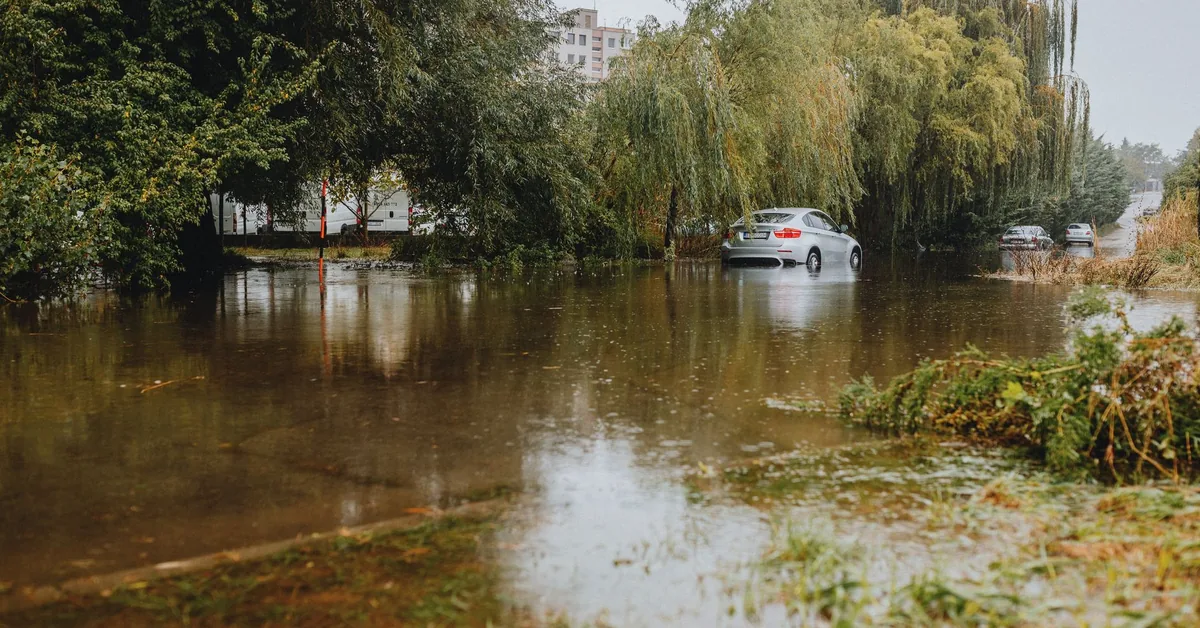
Flood Season Alert: Why UK Homeowners Should Consider Flood Insurance
Flood season is here. Learn why UK homeowners should review their flood insurance cover and how Flood Re makes protection more accessible.
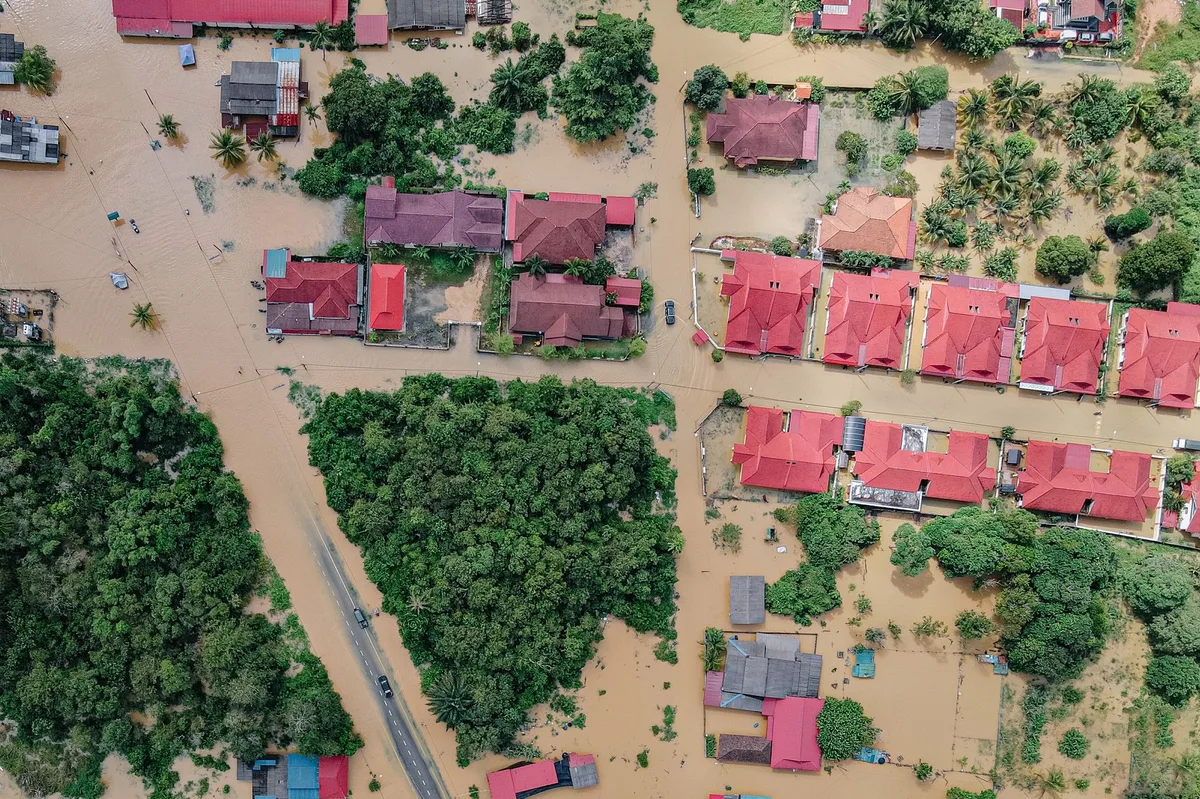
What UK Homeowners Need to Know About Flood Insurance in the UK
UK homeowners' guide to flood insurance: what's covered, how Flood Re works, and when you need specialist flood cover for your property.
