Hurricane Season Is Over: Your Guide to Claims and Insurance Renewal
With the US hurricane season ending, learn how to navigate insurance claims and prepare your home's policy for next year's storms.

Pexels - Long Bà Mùi · original
In this article
The Atlantic hurricane season, which officially runs from June 1 to November 30, brings months of uncertainty for homeowners in coastal states. Once the season ends, a sense of relief settles in. However, for those who sustained damage, the work is far from over. The offseason is a critical time for finalizing insurance claims, overseeing repairs, and reassessing your coverage for the future.
Navigating the aftermath of a hurricane can be as challenging as weathering the storm itself. This guide provides a clear, step-by-step process for managing your post-hurricane insurance tasks. From closing out your claim to ensuring your policy is ready for next year, we will walk you through the essential actions that protect your home and finances.
This article is for educational purposes and does not constitute financial or legal advice. Coverage details and regulations vary by state. Always consult with a licensed insurance agent and your state’s Department of Insurance to understand your specific situation.
What You Will Learn
This guide will cover the following essential steps for post-hurricane recovery and preparation:
- Finalizing open insurance claims for property damage.
- Organizing documents for a smooth claims process.
- Reviewing your claim experience and repair work.
- Understanding how claims can affect your policy and premiums.
- Conducting an annual insurance review to prevent coverage gaps.
- Shopping for a new policy if necessary.
- Preparing your property to be more resilient against future storms.
Step 1: Finalize Your Open Insurance Claims
If your home was damaged, the first priority is to see your insurance claim through to completion. This process requires patience and persistence.
Your claim journey begins with your insurance adjuster’s assessment. The adjuster will inspect the damage to determine the cause and estimate the cost of repairs. It is important to be present during this inspection to point out all the damage you have identified.
Once the assessment is complete, you will receive a settlement offer. This offer will detail what the insurer agrees to pay for. Pay close attention to the distinction between Replacement Cost Value (RCV) and Actual Cash Value (ACV).
- Actual Cash Value (ACV): This is the value of your damaged property minus depreciation for age and wear. An ACV payout may not be enough to fully cover the cost of a new roof or other items.
- Replacement Cost Value (RCV): This coverage pays the full cost to replace or repair your damaged property with new materials of similar kind and quality, without deducting for depreciation. Most RCV policies first pay the ACV, and then you can claim the remaining amount (the depreciation) after you submit receipts showing you have completed the repairs.
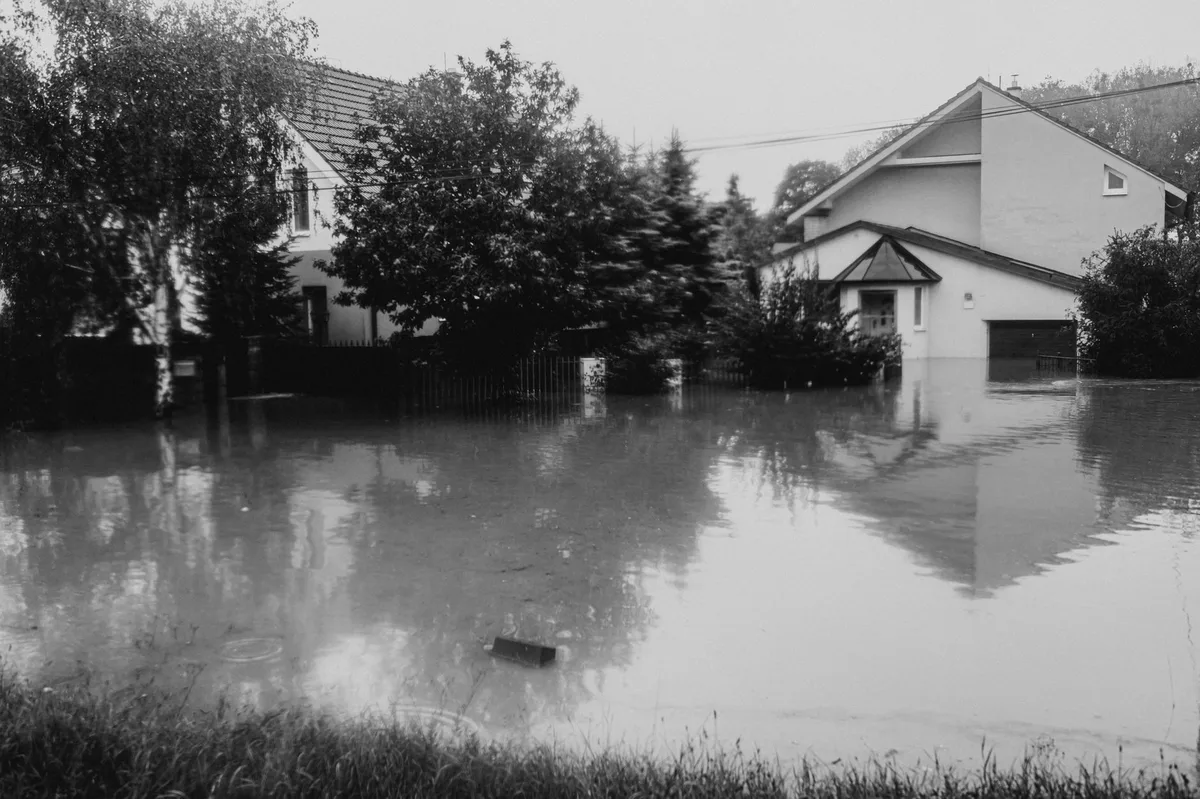
If you have a separate flood insurance policy through the National Flood Insurance Program (NFIP), you will have a separate claim and adjuster for any flood-related damage. According to the Federal Emergency Management Agency, standard homeowners insurance does not cover flooding, making this separate policy vital in many areas (FEMA, 2026).
If you disagree with the settlement amount, do not be afraid to contest it. You can provide your own estimates from licensed contractors and negotiate with the insurer. If you still cannot reach an agreement, you can request a different adjuster or hire a public adjuster to represent you.
Step 2: Document and Organize Everything
Thorough documentation is your most powerful tool in the insurance claims process. From the moment the storm passes, you should be creating a comprehensive record of the damage and your recovery efforts.
Create a dedicated folder (physical or digital) for all storm-related paperwork. This file should include:
- Photos and Videos: Before you clean up or make temporary repairs, take extensive photos and videos of all damage, both inside and outside your home. The more detail, the better.
- Initial Inventory: Make a list of all damaged or destroyed personal belongings. Include descriptions, approximate age, and estimated value.
- Communication Log: Keep a record of every interaction with your insurance company. Note the date, time, name of the person you spoke with, and a summary of the conversation.
- Receipts: Save all receipts for any immediate, temporary repairs you make to prevent further damage, such as boarding up windows or placing a tarp on your roof. Also, keep receipts for any additional living expenses if your policy covers them and you had to leave your home.
- Official Documents: Keep copies of your adjuster’s report, settlement offers, contractor estimates, and all other correspondence from your insurer.
This file serves as your evidence if disputes arise and provides a clear history of your claim.
Step 3: Review Your Claim and Repair Process
Once the dust settles, take time to reflect on your experience. This review will inform your decisions at policy renewal time.
First, oversee the repair work carefully. Unfortunately, post-disaster areas can attract fraudulent or unqualified contractors. Always hire licensed and insured professionals. Get written contracts that detail the scope of work, materials, timeline, and total cost. Avoid paying the full amount upfront.
As repairs are completed, think about your insurer’s performance.
- How responsive was the company when you first filed the claim?
- Was your adjuster professional and thorough?
- Was the settlement fair and timely?
- Did you encounter any unexpected obstacles or frustrations?
Your answers to these questions will help you decide whether to stay with your current carrier or look for a new one.
Step 4: Understand How a Claim Affects Your Policy
Filing a claim, particularly a large one, can impact your insurance policy and premiums. Insurers track claims history through a database called the Comprehensive Loss Underwriting Exchange (CLUE) report. A history of claims can signal higher risk, leading to two potential outcomes.
First, your premium may increase at renewal time. Insurers recalculate rates based on both individual claims history and broader regional risk. Even if you did not file a claim, your rates might rise if a hurricane caused widespread, costly damage in your area.
Second, in some cases, the insurer may choose to non-renew your policy. This is more likely if you have filed multiple claims in a short period. If you receive a non-renewal notice, your insurer must give you advance warning (the amount of time varies by state). This gives you a window to find new coverage.
Step 5: Conduct a Thorough Annual Insurance Review
The offseason is the ideal time for a comprehensive review of your homeowners insurance policy. Do not just let it auto-renew without a second thought. Coverage needs change, and so do the risks your property faces.
During your review, consider the following:
- Dwelling Coverage: Is your dwelling coverage limit high enough to completely rebuild your home at today’s prices? The Insurance Information Institute notes that construction costs have risen significantly, and your coverage should reflect that (III, 2024). Check with a local contractor or your insurance agent to estimate current rebuilding costs.
- Personal Property: Have you acquired new valuables since you first bought your policy? Create or update your home inventory to ensure your personal property coverage is adequate.
- Deductibles: Your hurricane deductible is likely a percentage of your home’s insured value (e.g., 2% to 5%), which can be a very large out-of-pocket expense. Are you comfortable with this amount, or should you adjust your policy?
- Flood Insurance: If you do not have flood insurance, now is the time to seriously consider it. Remember, homeowners policies do not cover damage from flooding, including storm surge.
- Ordinance or Law Coverage: If your home is older, this optional coverage can help pay the extra costs to rebuild your home to current, stricter building codes after a loss.
A licensed agent can help you analyze your current policy and identify potential gaps.
Step 6: Shop Around for a New Policy
Whether your policy was non-renewed or your premium saw a steep hike, it is always a smart move to shop for coverage. Do not assume your current insurer is giving you the best price or the right coverage.
Start the process at least 45-60 days before your current policy expires.
- Gather Your Documents: Have your current policy declaration page and your CLUE report handy.
- Get Multiple Quotes: Contact at least three different insurance carriers to compare quotes. You can do this directly, through their websites, or by working with an independent insurance agent.
- Compare Apples to Apples: When comparing quotes, make sure you are looking at policies with the same coverage limits and deductibles. The cheapest policy is not the best if it leaves you underinsured.
- Ask About Discounts: Inquire about potential discounts for things like bundling your home and auto policies, installing security systems, or making wind mitigation upgrades.
Working with an independent agent can be particularly helpful. They represent multiple companies and can do the comparison shopping for you, saving you time and potentially finding better options.
Step 7: Prepare Your Property for the Next Season
Finally, use the offseason to make your home more resilient to future storms. Proactive measures, known as wind mitigation, can reduce potential damage and may also lower your insurance premiums.
Consider these common mitigation upgrades:
- Roof Reinforcement: Secure your roof sheathing with stronger nails or adhesives and install hurricane straps or clips to connect the roof to the walls.
- Window and Door Protection: Install high-impact, shatter-proof windows or purchase pre-cut hurricane shutters for all windows and glass doors.
- Garage Door Bracing: A standard garage door is often a weak point. Reinforce it with a bracing kit.
- Landscaping: Trim trees and large branches that could fall on your home during high winds.
Some states, like Florida, mandate that insurers offer discounts for certified wind mitigation features. Check with your agent to see what discounts are available in your area.
Common Mistakes to Avoid
- Not Reading Your Policy: You must understand what is covered, what is excluded, and what your deductibles are before a storm hits.
- Assuming You Have Flood Coverage: This is the most common and costly assumption. Purchase a separate flood policy if you are at risk.
- Hiring an Unlicensed Contractor: Verify credentials to avoid shoddy work and scams.
- Waiting Too Long to Shop: Start looking for new coverage well before your policy renewal date to avoid a lapse in coverage.
Frequently Asked Questions (FAQ)
### Will my premium go up after a hurricane even if I did not file a claim?
Possibly, yes. Insurance companies set rates based on the overall risk in a geographic area. If a hurricane causes widespread, expensive damage across your region, insurers may raise premiums for everyone in that area to cover their increased costs and prepare for future risk, as explained by the National Association of Insurance Commissioners (NAIC, 2026).
### What is the difference between homeowners insurance and flood insurance?
Homeowners insurance covers damage to your home’s structure and your personal belongings from perils like fire, theft, and wind. However, it specifically excludes damage caused by flooding, including storm surge, heavy rain that pools on the ground, and overflowing rivers. For that, you need a separate flood insurance policy, typically obtained through the NFIP or a few private insurers.
### What should I do if my insurer non-renews my policy?
First, do not panic. Your insurer must provide you with written notice, giving you time to act. Contact your state’s Department of Insurance to understand your rights. Then, immediately start shopping for a new policy. An independent insurance agent who works with multiple carriers can be an invaluable resource in this situation, as they may have access to insurers that specialize in higher-risk properties.
Conclusion: Take Control Before the Next Storm
The end of hurricane season is more than just a break from the weather-watching anxiety. It is a window of opportunity. By diligently finalizing your claims, thoughtfully reviewing your coverage, and actively preparing your property, you move from a reactive position to a proactive one. Taking these steps ensures you not only recover fully from the last storm but are also financially and physically prepared for the next one.
Do not wait until a storm is brewing. Use this time to schedule a review with a licensed insurance professional. A thorough analysis of your policy today is the best defense against the uncertainties of tomorrow.
Sources
- Flood Insurance (accessed )
- Consumer Resources (accessed )
- How much homeowners insurance do I need? (accessed )
Related articles

Hurricane Season 2027 Starts June 1: A US Home and Flood Coverage Review Guide
Prepare for June 1, 2027 hurricane season with a US home and flood insurance review covering NFIP, wind, deductibles, and claims.

Hurricane Season 2027: Complete Coverage Review Guide Before June 1
Review your homeowners and flood insurance before hurricane season 2027 starts June 1. Step-by-step guide to ensure adequate coverage.
How to Secure Flood Insurance Before Hurricane Season in the US
Learn how to secure flood insurance before hurricane season in the US. Understand waiting periods, NFIP vs private options, and coverage essentials.
