How to Buy Flood Insurance Before Hurricane Season in Houston
Houston homeowners face a critical 30-day waiting period for flood coverage. Learn how to secure protection before the next storm hits.
Pexels - Connor Scott McManus · original
In this article
Houston homeowners face one of the highest flood risks in the United States. The city sits in a low-lying coastal plain where heavy rainfall, tropical storms, and hurricanes can cause catastrophic flooding with little warning. Hurricane Harvey in 2017 demonstrated this vulnerability when the storm dumped more than 50 inches of rain in some areas, causing an estimated $125 billion in damage across Texas.
Standard homeowners insurance does not cover flood damage. If you live in Houston and your home floods, you will pay for repairs out of pocket unless you have a separate flood insurance policy. The challenge many homeowners face is timing: National Flood Insurance Program (NFIP) policies come with a mandatory 30-day waiting period before coverage begins. Once hurricane season starts and storms appear on the forecast, it is too late to buy protection for that event.
This guide walks you through the steps to secure flood insurance now, before the next storm threatens the Houston area. Understanding the process, timeline, and coverage options will help you protect your largest financial asset and avoid the financial devastation that follows uninsured flood losses.
What You Will Learn
This article explains how to buy flood insurance before hurricane season begins, with specific focus on the 30-day waiting period, coverage options through the NFIP and private insurers, cost factors for Houston properties, and the steps to complete your purchase. You will learn what flood insurance covers and does not cover, how to determine if you need it based on your flood zone, and how to work with insurance agents or carriers to secure a policy quickly. The guidance includes practical tips for Houston homeowners, common mistakes to avoid, and answers to frequently asked questions about flood coverage timing and requirements.
Step 1: Understand the 30-Day Waiting Period
According to the Federal Emergency Management Agency (FEMA), most NFIP flood insurance policies have a 30-day waiting period from the date of purchase until coverage takes effect (FEMA, 2026). This waiting period exists to prevent people from buying coverage only after a storm is forecast, which would create adverse selection problems for the insurance pool.
The 30-day rule means you cannot wait until a hurricane forms in the Gulf of Mexico to buy protection. By that point, it is too late. You must purchase flood insurance at least 30 days before you need it. For Houston homeowners, this means buying coverage well before the Atlantic hurricane season officially begins on June 1 and runs through November 30.
There are limited exceptions to the 30-day waiting period. If you are purchasing or refinancing a home and your lender requires flood insurance as a condition of the mortgage, coverage can begin as soon as one day after purchase. If your community is newly mapped into a high-risk flood zone and you are buying your first flood policy, you may also qualify for a shorter waiting period. However, these exceptions are narrow and do not apply to most homeowners buying coverage voluntarily or renewing lapsed policies.
Plan ahead. Mark your calendar now and purchase flood insurance at least 30 days before hurricane season begins, or ideally maintain continuous year-round coverage so you are always protected.
Step 2: Determine Your Flood Zone and Risk Level
Your property’s flood zone designation determines your flood risk, whether you are required to carry flood insurance, and how much that insurance will cost. FEMA produces Flood Insurance Rate Maps (FIRMs) that classify every property in the United States into a flood zone based on the probability of flooding.
High-risk zones are labeled with the letter A or V. Zone A properties have a 1 percent annual chance of flooding (often called the “100-year floodplain”), and Zone V properties face the same flood risk plus additional wave action from coastal storms. If you have a federally backed mortgage and your home is in a high-risk zone, your lender will require you to carry flood insurance.
Moderate-to-low-risk zones are labeled B, C, or X. Properties in these zones face lower flood risk, and flood insurance is not federally mandated. However, according to the Insurance Information Institute, more than 20 percent of flood insurance claims come from properties outside high-risk zones (III, 2026). Houston’s flat topography, heavy rainfall patterns, and inadequate drainage in some neighborhoods mean that properties in X zones can still flood during major storms.
You can check your property’s flood zone by visiting the FEMA Flood Map Service Center online and entering your address. Your insurance agent can also pull this information when you request a flood insurance quote. Even if you are not in a high-risk zone, consider buying flood insurance if you live in Houston. The relatively low cost of coverage in moderate-risk zones (often a few hundred dollars per year) is a small price compared to the tens of thousands of dollars in potential flood damage.
Step 3: Choose Between NFIP and Private Flood Insurance
You have two main options for buying flood insurance: the National Flood Insurance Program (NFIP), which is a federal program administered by FEMA, or private flood insurance from commercial carriers.
The NFIP is the most common source of flood coverage in the United States. NFIP policies are sold through private insurance agents and companies, but the federal government backs the coverage and sets the rates. NFIP policies offer up to $250,000 in building coverage and up to $100,000 in contents coverage for residential properties. Rates are determined by your flood zone, the age and elevation of your home, and the amount of coverage you purchase. NFIP policies cover direct physical losses caused by flooding, including damage to your home’s structure, electrical and plumbing systems, appliances, and personal belongings (if you buy contents coverage).
Private flood insurance is offered by commercial carriers and is not backed by the federal government. Private policies can offer higher coverage limits than the NFIP, potentially more flexible terms, and sometimes lower premiums for properties in lower-risk zones. Private flood insurers use their own underwriting models and may price coverage differently than the NFIP based on factors like your home’s construction, elevation, and specific location.
For Houston homeowners, the best approach is to get quotes from both NFIP and private insurers. Your insurance agent can provide NFIP quotes and may also represent private carriers that write flood coverage in Texas. Compare the coverage limits, premiums, deductibles, and exclusions of each option before deciding. Some homeowners choose to combine policies, buying the maximum NFIP coverage and adding a private excess policy for additional protection above the federal limits.
Step 4: Contact an Insurance Agent or Carrier
Flood insurance is sold through licensed property and casualty insurance agents. You cannot buy an NFIP policy directly from FEMA; you must work through an agent or company that participates in the program.
Start by contacting the insurance agent who handles your current homeowners policy. Many agents who sell homeowners insurance also sell flood coverage and can quote both NFIP and private options. If your current agent does not write flood insurance, ask for a referral or search for agents in your area who specialize in flood coverage.
When you contact an agent, provide your property address, the year your home was built, the type of foundation (slab, crawlspace, or basement), and the square footage of your living space. The agent will pull your flood zone designation and elevation certificate (if available) to determine your premium. An elevation certificate is a survey document that shows your home’s elevation relative to the base flood elevation in your area. If you do not have an elevation certificate, the agent may quote you a higher premium based on default assumptions, but you can potentially lower your rate later by ordering a certificate from a licensed surveyor.
Ask the agent to quote both building coverage and contents coverage. Building coverage protects the structure of your home and permanently installed systems and appliances. Contents coverage protects your personal belongings like furniture, clothing, and electronics. The NFIP treats these as separate coverages, and you must specifically request contents coverage if you want it (it is not included automatically with building coverage).
Step 5: Review Coverage and Exclusions
Before you finalize your flood insurance purchase, carefully review what the policy covers and what it excludes. NFIP policies, for example, do not cover temporary housing costs if you are displaced by flooding, damage to landscaping or detached structures like fences and pools, financial losses from business interruption, or damage caused by moisture or mold that could have been prevented.
Understanding these exclusions helps you set realistic expectations and consider whether you need additional coverage. Some private flood insurers offer broader coverage that includes temporary living expenses or higher limits for certain items. You may also want to maintain separate coverage for valuable items like jewelry, artwork, or collectibles that exceed standard policy limits.
Read the policy declarations page, which summarizes your coverage amounts, deductible, premium, and effective date. Confirm that the 30-day waiting period will expire before hurricane season begins or before any forecasted storm threatens the area. If you have questions about the coverage, ask your agent to explain the terms in plain language.
Step 6: Complete the Application and Pay the Premium
Once you have reviewed the coverage and decided to move forward, complete the flood insurance application with your agent. The application will ask for details about your property, including its construction type, number of floors, presence of a basement or crawlspace, and any flood mitigation measures like flood vents or elevation.
Answer all application questions accurately. Misrepresenting information on a flood insurance application can result in a denied claim or rescinded policy. If you are unsure how to answer a question, ask your agent for clarification rather than guessing.
You will need to pay the first year’s premium to bind the policy. NFIP policies require full annual payment upfront; the program does not offer monthly payment plans. Some private insurers may offer installment payment options. The agent will collect your payment and issue a policy declarations page showing your effective date, which will be 30 days from the date of purchase for most new policies.
Keep a copy of your policy documents, declarations page, and proof of payment in a safe place. Consider storing digital copies in a cloud-based system so you can access them if you need to evacuate or if your home is damaged and your physical documents are lost.
Step 7: Maintain Continuous Coverage
Flood insurance is not a one-time purchase. Your policy will renew annually, and you must pay the renewal premium to keep coverage in force. NFIP policies have a 30-day grace period for late payments, but if your policy lapses and you need to reinstate it, the 30-day waiting period applies again.
Set a calendar reminder for your renewal date and budget for the annual premium. If your financial situation changes or your flood risk increases due to new construction or changes in your neighborhood’s drainage, contact your agent to review your coverage limits and ensure you have adequate protection.
Maintaining continuous coverage also protects your eligibility for grandfathered rates under the NFIP. If your home is remapped into a higher-risk flood zone, keeping your policy active can help you retain lower premium rates based on the original flood map rather than paying the higher rate for the new zone.
Practical Tips for Houston Homeowners
Houston’s flood risk is not uniform across the city. Homes near Buffalo Bayou, White Oak Bayou, Brays Bayou, and other waterways face higher risk than properties on higher ground farther from floodplains. However, even areas not near visible waterways can flood due to inadequate storm drainage, impermeable surfaces, and the city’s flat topography.
Consider buying flood insurance even if you are not in a high-risk zone. The cost is relatively low for properties in moderate or low-risk zones, often between $400 and $700 per year for basic coverage. This is a fraction of the cost of repairing even minor flood damage, which can easily reach $20,000 to $50,000 for a single event.
Document your belongings before a flood occurs. Take photos or video of each room in your home, including furniture, electronics, appliances, and valuable items. Store these records offsite or in a cloud storage service. If you need to file a flood insurance claim, having a pre-loss inventory will speed the process and help you recover the full value of your damaged property.
If you live in a repetitive-loss area (a neighborhood that has flooded multiple times in recent years), ask your agent about mitigation measures that could lower your premium. Elevating utilities, installing flood vents, or raising your home on pilings can reduce your flood risk and potentially qualify you for lower NFIP rates.
Common Mistakes to Avoid
Waiting until a storm is forecast is the most common and costly mistake Houston homeowners make. Once a named storm enters the Gulf of Mexico, it is too late to buy flood coverage for that event. The 30-day waiting period ensures you will not be covered. Buy insurance during the calm months, not when a hurricane is imminent.
Assuming homeowners insurance covers flooding is another frequent error. It does not. Standard homeowners policies exclude flood damage. If your home floods and you do not have a separate flood policy, you will pay for all repairs yourself. Do not rely on federal disaster assistance either; most federal flood aid comes in the form of low-interest loans that you must repay, not grants.
Underinsuring your property is a third mistake. Many homeowners buy the minimum required coverage to satisfy their lender but do not purchase enough to fully rebuild their home if it is destroyed. Review your coverage limits annually and consider the full replacement cost of your home and belongings, not just the outstanding mortgage balance.
Failing to buy contents coverage leaves your personal property unprotected. NFIP building coverage only protects the structure of your home and permanently attached items. If you want coverage for your furniture, clothing, electronics, and other belongings, you must specifically purchase contents coverage. Do not skip this coverage to save a few hundred dollars on your premium; the cost of replacing your belongings after a flood is far higher.
Frequently Asked Questions
How much does flood insurance cost in Houston?
Flood insurance premiums vary based on your flood zone, home elevation, coverage limits, and deductible. According to FEMA, the average NFIP premium in Texas is approximately $700 per year as of 2026, but individual rates can range from a few hundred dollars for low-risk properties to several thousand dollars for high-risk homes in special flood hazard areas. Private flood insurance premiums may be lower or higher depending on the carrier and your specific property characteristics. Request quotes from multiple sources to compare pricing.
Can I buy flood insurance after a hurricane is forecast?
Technically, you can purchase a policy at any time, but the 30-day waiting period means the coverage will not take effect in time to protect you from an imminent storm. If a hurricane is forecast to hit Houston in the next 30 days, buying flood insurance will not provide coverage for that event. The policy will become effective 30 days after purchase, by which time the storm will have already passed. This is why you must buy coverage well before hurricane season begins.
Do I need flood insurance if my home has never flooded?
Past performance does not guarantee future results. Just because your home has not flooded before does not mean it will not flood in the future. Development patterns, changes in drainage infrastructure, and increasingly severe weather events can all increase flood risk over time. Additionally, FEMA updates flood maps periodically, and your property could be remapped into a higher-risk zone. Buying flood insurance before you need it is the safest approach.
What happens if I miss my flood insurance renewal payment?
NFIP policies have a 30-day grace period for late payments. If you pay your renewal premium within 30 days of the due date, your coverage remains continuous. If you miss the grace period and your policy lapses, you will need to reapply for coverage and wait another 30 days before the new policy takes effect. During the lapse period, you have no flood coverage. Avoid this gap by setting calendar reminders and paying your renewal premium on time.
Can I get flood insurance if I rent my home?
Yes. Renters can purchase NFIP contents coverage to protect their personal belongings, even though they do not own the building. Renters flood insurance covers furniture, clothing, electronics, and other possessions up to $100,000. The landlord is responsible for insuring the building structure, but that policy does not protect your personal property. If you rent in Houston, consider buying flood contents coverage, especially if you live in a high-risk area or a ground-floor unit.
Conclusion
Houston homeowners cannot afford to wait until hurricane season begins to think about flood insurance. The mandatory 30-day waiting period for most NFIP policies means you must act now to ensure coverage is in place before the next storm threatens the Gulf Coast. Flood damage is not covered by standard homeowners insurance, and federal disaster assistance is limited and often takes the form of loans rather than grants.
Contact a licensed insurance agent today to request flood insurance quotes. Review your property’s flood zone, compare NFIP and private insurance options, and select coverage limits that fully protect your home and belongings. Complete the application, pay the premium, and confirm your effective date to ensure coverage begins before hurricane season arrives.
The information in this article is educational and general in nature and is not personalized insurance, legal, or financial advice. Flood insurance requirements, coverage options, and premiums vary based on your specific property, location, and flood zone. Verify current program details and consult a licensed insurance agent for your personal situation before making coverage decisions.
Sources
- Flood Insurance (accessed )
- Facts and Statistics about Flood Insurance (accessed )
- Consumer Tools and Resources (accessed )
Related articles
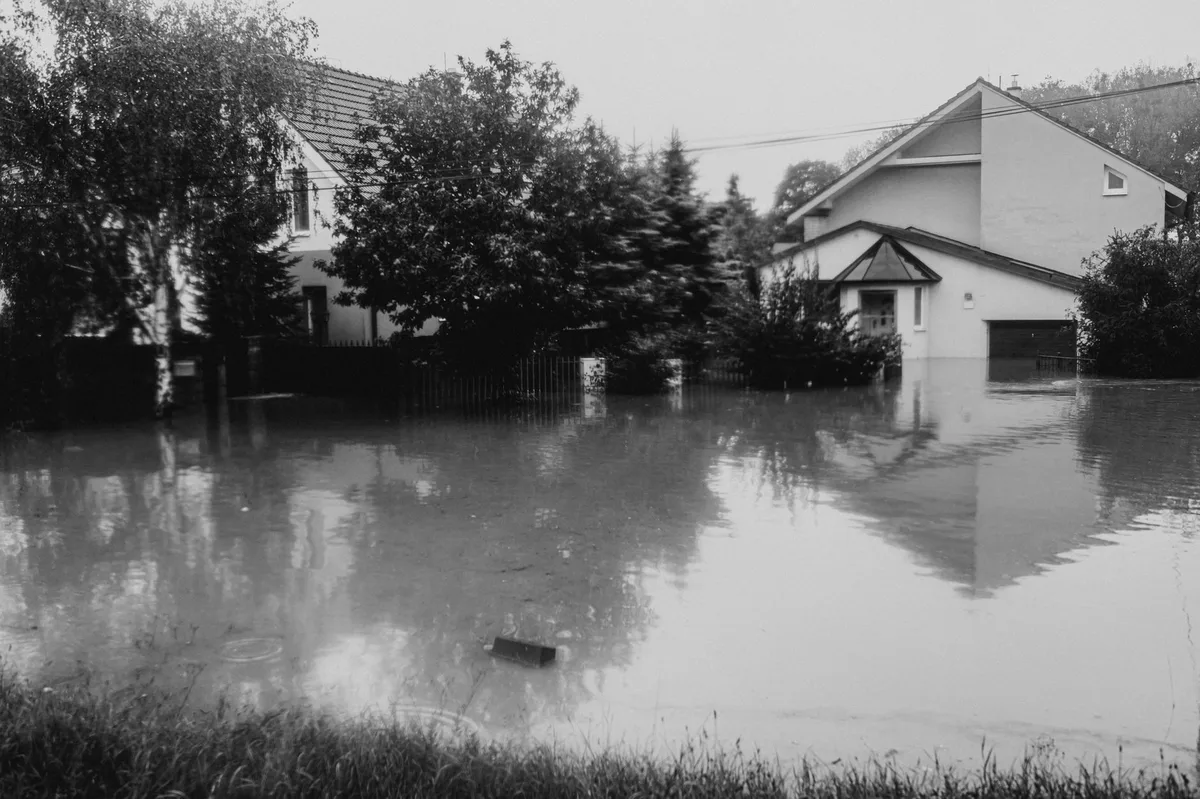
How to Secure Flood Insurance Before Hurricane Season in the US
Learn how to secure flood insurance before hurricane season in the US. Understand waiting periods, NFIP vs private options, and coverage essentials.
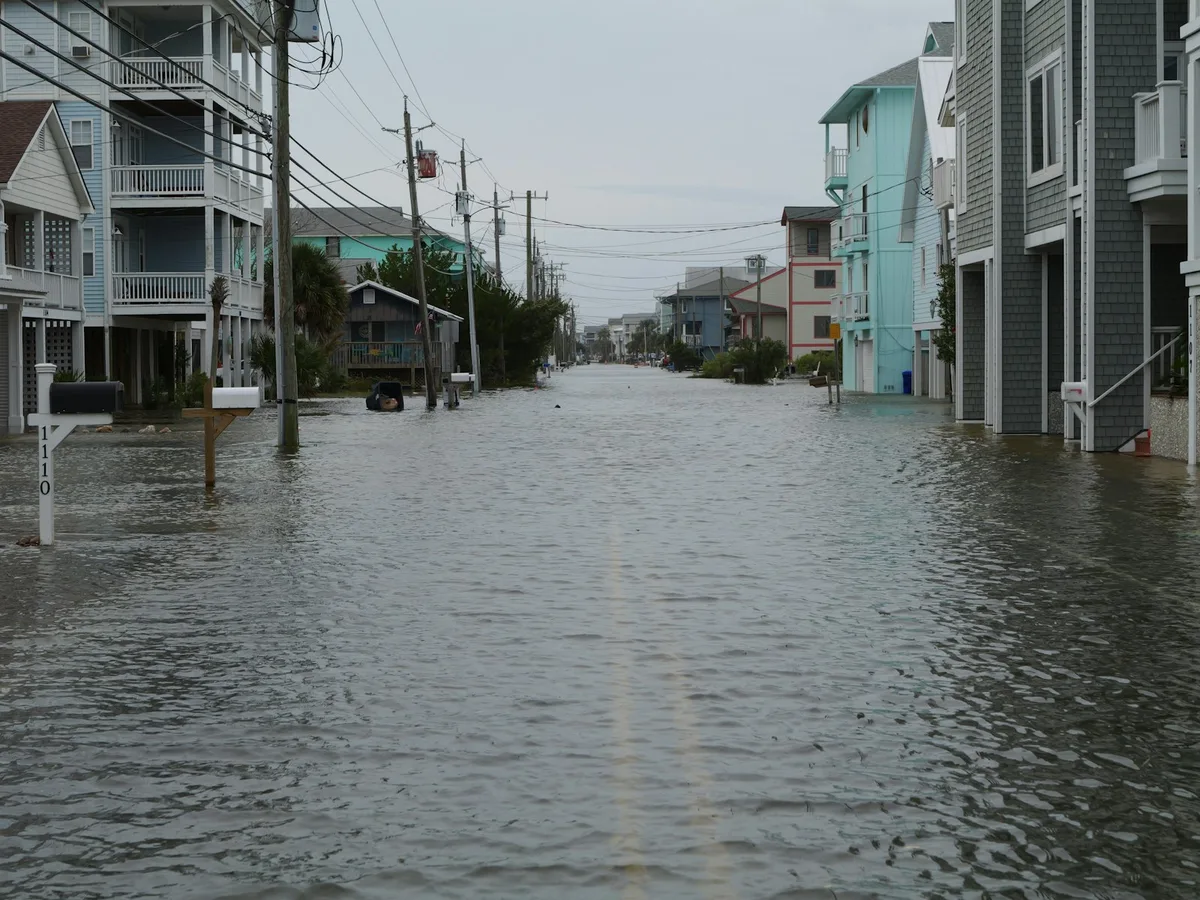
Can You Get Flood Insurance Before a Storm? What Houston Homeowners Should Know During Hurricane Season in the US
Can you buy flood insurance before a hurricane hits Houston? Learn about the 30-day NFIP waiting period, exceptions, and critical timing for hurricane season coverage.
Should You Buy Flood Insurance Before Hurricane Season in Texas?
Texas officials warn homeowners to buy flood insurance now. NFIP policies have a 30-day wait, leaving those who delay unprotected during hurricane season.
