Hurricane Season 2027: Complete Coverage Review Guide Before June 1
Hurricane season starts June 1, 2027. Review your homeowners and flood insurance now to ensure you have adequate protection before the first storm hits.

Pexels - Josh Sorenson · original
In this article
Hurricane season 2027 officially begins June 1 and runs through November 30. If you live in a hurricane-prone area along the Atlantic coast, Gulf Coast, or even inland regions that can experience tropical storm damage, now is the time to review your insurance coverage. Waiting until a named storm is approaching your area can leave you with gaps in protection, as most insurers impose waiting periods on new policies and coverage changes during active storm threats.
This guide walks you through the essential steps to review your homeowners and flood insurance before the first storm of the season hits. You will learn which coverages to verify, what limits to check, how to document your property, and what common mistakes to avoid.
What You Will Learn
This coverage review guide covers the key steps to prepare your insurance protection before hurricane season 2027 starts:
- How to review your homeowners policy for wind and storm damage coverage
- Why you need separate flood insurance and how to secure NFIP coverage
- How to evaluate your deductibles, coverage limits, and replacement cost protection
- The right way to document your property and create a home inventory
- What additional coverage options can fill common gaps
- How to prepare for the claims process before a storm hits
Step 1: Review Your Homeowners Policy for Wind and Storm Coverage
Your homeowners insurance policy (typically an HO-3 form for most single-family homes) covers wind damage from hurricanes, including damage to your roof, siding, windows, and interior from wind-driven rain. However, coverage details vary by state and insurer, particularly in high-risk coastal areas.
Pull out your current policy declarations page and confirm the following:
-
Dwelling coverage limit: This is the amount your insurer will pay to rebuild your home. According to the Insurance Information Institute, this limit should reflect the full replacement cost of your home as of 2026 construction prices, not your home’s market value (III, 2026). Construction costs have risen significantly in recent years, so a limit set three or four years ago may no longer be adequate.
-
Hurricane deductible: Many coastal and high-risk states require a separate hurricane or named-storm deductible, typically 1 to 5 percent of your dwelling coverage limit, rather than your standard dollar-amount deductible. For a home insured for $300,000 with a 2 percent hurricane deductible, you would pay the first $6,000 of covered damage out of pocket.
-
Windstorm coverage: In some Gulf and Atlantic coastal states, wind coverage may be excluded from standard homeowners policies and instead provided through a state-run windstorm pool or separate wind-only policy. Confirm whether your policy includes wind coverage or if you have a separate wind policy through your state’s FAIR plan or wind pool.
-
Replacement cost vs. actual cash value: Verify that your dwelling and personal property are covered on a replacement cost basis, not actual cash value (which deducts depreciation). Replacement cost coverage pays to rebuild or replace damaged property without depreciation, which is essential for full recovery after a major storm.
If you have not reviewed your dwelling coverage limit in the past two years, contact your insurance agent or carrier to request a replacement cost estimate based on current construction costs in your area. This is particularly important in 2026, as lumber, labor, and material costs remain elevated in many hurricane-prone regions.
Step 2: Verify Flood Insurance Coverage (NFIP or Private)
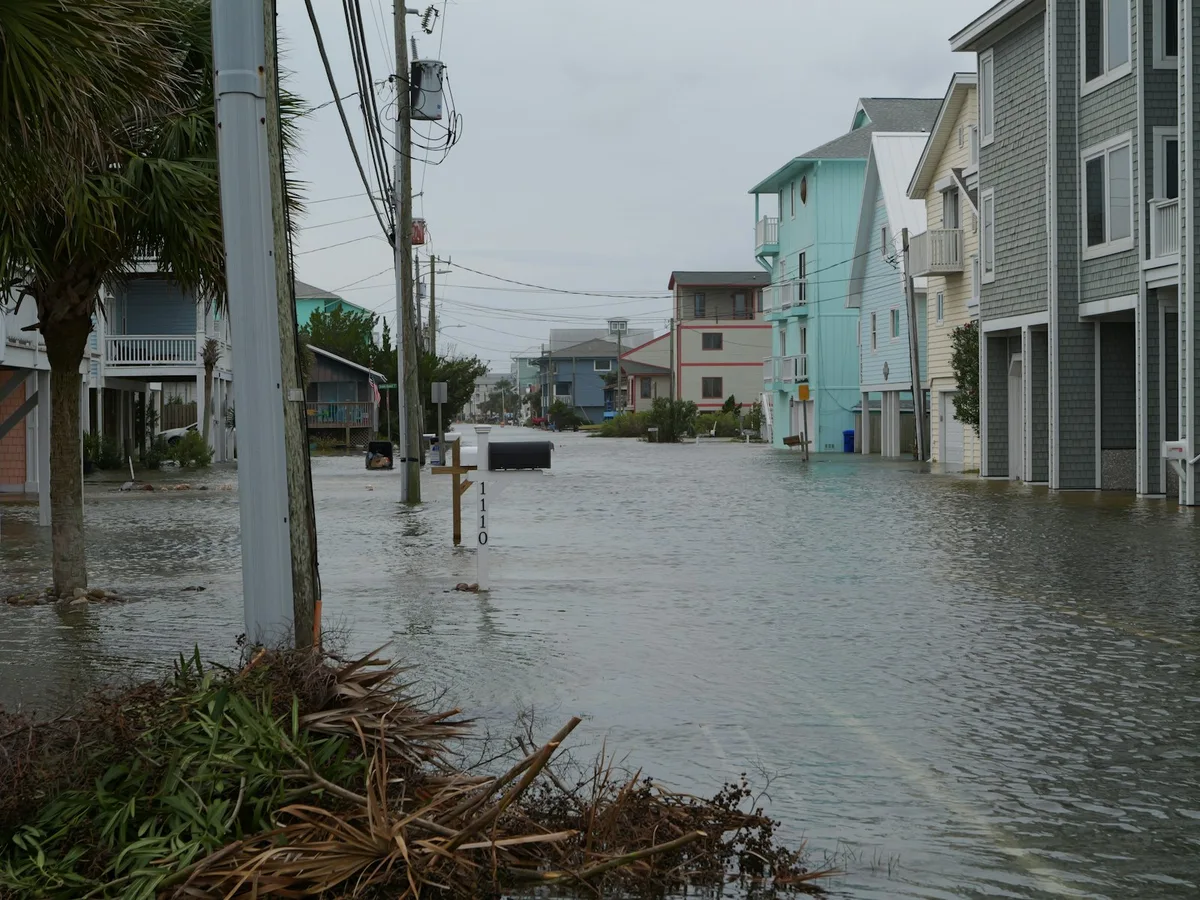
Standard homeowners insurance does not cover flood damage. Flood is defined as rising water from outside your home, including storm surge from hurricanes, heavy rainfall that overwhelms drainage systems, and overflow from rivers, lakes, or retention ponds. According to the Federal Emergency Management Agency, even homes outside designated high-risk flood zones can experience flooding during major hurricanes (FEMA, 2026).
If you do not currently have flood insurance, consider obtaining a policy before June 1. NFIP policies (the federal flood insurance program) and most private flood policies have a 30-day waiting period before coverage takes effect, meaning a policy purchased in late May will not be active until late June. If a storm is named or approaching, you will not be able to purchase new flood coverage until the threat has passed.
Key flood insurance details to verify:
-
Building coverage limit: NFIP policies offer up to $250,000 in building coverage for single-family homes. If your home’s replacement cost exceeds this limit, consider purchasing excess flood coverage from a private insurer to cover the gap.
-
Contents coverage: NFIP building coverage does not include your personal property. You must purchase separate contents coverage (up to $100,000 for NFIP residential policies) to protect furniture, clothing, electronics, and other belongings from flood damage.
-
Deductible: NFIP flood policies allow you to choose a deductible for building coverage and a separate deductible for contents coverage, typically ranging from $1,000 to $10,000. Higher deductibles reduce your annual premium but increase your out-of-pocket costs after a flood event.
-
Coverage limitations: NFIP policies do not cover finished basements, detached structures (such as garages or sheds), landscaping, or temporary living expenses. Review your policy’s covered and excluded items list to understand these gaps.
If you already have an NFIP or private flood policy, contact your agent to confirm the policy is active, the premium is paid, and the coverage limits are still appropriate for your property’s current value.
Step 3: Evaluate Your Deductibles and Coverage Limits
Deductibles are the amount you pay out of pocket before your insurance coverage kicks in. After a major hurricane, you may face two separate deductibles: your hurricane or windstorm deductible for wind damage, and your flood deductible for rising water damage.
Review the following:
-
Can you afford your hurricane deductible? A 2 percent hurricane deductible on a $400,000 home is $8,000. A 5 percent deductible is $20,000. If these amounts would create financial hardship, consider whether you can reduce your hurricane deductible (which will increase your annual premium) or set aside an emergency fund to cover this cost.
-
Personal property limits: Your homeowners policy typically covers personal property (clothing, furniture, electronics) at 50 to 70 percent of your dwelling coverage limit. For a home with $300,000 in dwelling coverage, you would have $150,000 to $210,000 in personal property coverage. If you own high-value items (jewelry, art, collectibles, firearms), verify whether your policy’s standard personal property limits and sub-limits are adequate, or if you need scheduled personal property endorsements.
-
Additional living expenses (ALE): If hurricane damage makes your home uninhabitable, your homeowners policy’s ALE coverage pays for temporary housing, meals, and other living expenses while your home is repaired. Verify your ALE limit (often 20 to 30 percent of your dwelling coverage) and confirm how long the coverage lasts (typically 12 to 24 months for major losses).
-
Debris removal: After a hurricane, removing fallen trees, damaged structures, and debris can cost thousands of dollars. Homeowners policies typically include debris removal coverage as part of your dwelling limit, but some policies cap this coverage at 5 percent of the dwelling limit. Confirm your debris removal limit and consider whether additional coverage is necessary if you have large trees or outbuildings.
Step 4: Document Your Property with Photos and Video
If you file a claim after a hurricane, your insurer will ask for proof of what you owned and the condition of your property before the storm. Thorough documentation speeds up the claims process and helps you receive the full amount you are entitled to under your policy.
Create a visual record:
-
Walk through every room of your home and take clear photos or video of the walls, ceilings, floors, windows, and doors. Capture any existing damage or wear so it is not mistakenly attributed to the hurricane.
-
Photograph or film your personal property, including furniture, electronics, appliances, clothing, and other belongings. Open closets, drawers, and cabinets to document everything inside.
-
Document the exterior of your home, including the roof, siding, windows, doors, deck, fence, and any detached structures such as sheds or garages.
-
Photograph your landscaping, trees, and outdoor property. While homeowners insurance typically does not cover landscaping damage from wind, flood policies have limited coverage for debris removal, and you may need to prove the pre-storm condition of your yard.
Store copies of your photos and video in multiple locations: on your phone, in cloud storage (Google Drive, iCloud, Dropbox), and on an external hard drive kept outside your home (such as at your workplace or with a family member in another city). Do not rely solely on physical copies stored inside your home, as these could be destroyed in a flood or fire.
Step 5: Update Your Home Inventory List
A home inventory is a detailed list of everything you own, including descriptions, purchase dates, original costs, and current values. This document is essential for filing a personal property claim after a hurricane.
Build or update your inventory:
-
List each item of personal property room by room. Include the item description (brand, model, serial number if applicable), date of purchase, and original purchase price.
-
For high-value items (jewelry, electronics, art, firearms, musical instruments), keep receipts, appraisals, and photos in your inventory file.
-
Use a home inventory app (many insurers offer free apps to policyholders) or a simple spreadsheet to organize your list.
-
Update your inventory annually and whenever you make major purchases.
Provide a copy of your completed home inventory to your insurance agent or store it in your secure cloud storage along with your property photos and video. Do not keep the only copy inside your home.
Step 6: Understand Your Claims Process Before a Storm Hits
The time to learn how to file a claim is before a hurricane damages your property, not during the chaos immediately after the storm when phone lines are jammed and adjusters are overwhelmed with requests.
Prepare now:
-
Save your insurance agent’s contact information, your insurer’s claims phone number, and your policy number in your phone and in a document stored outside your home.
-
Read the “How to File a Claim” section of your homeowners and flood insurance policies. Note any deadlines (for example, NFIP flood claims must be filed within 60 days of the flood event) and required documentation.
-
Understand that you will likely need to file separate claims for wind damage (homeowners policy) and flood damage (flood policy), even if both types of damage occur during the same hurricane event. Keep documentation organized by coverage type.
-
Ask your agent whether your insurer offers a mobile app for filing claims, uploading photos, and tracking claim status. Download and set up the app before hurricane season starts.
-
If you live in an area that experiences widespread hurricane damage, be prepared for delays in adjuster visits and claim processing. Take temporary steps to prevent further damage (such as tarping a damaged roof) and document these mitigation efforts with photos and receipts, as your policy may reimburse reasonable emergency repairs.
Step 7: Consider Additional Coverage for Common Gaps
Standard homeowners and flood policies leave several common gaps that can result in significant out-of-pocket costs after a hurricane.
Additional coverage options to discuss with your agent:
-
Service line coverage: Covers the cost to repair underground utility lines (water, sewer, power, gas, cable, internet) that run from the street to your home. Hurricane flooding and ground shifts can damage these lines, and homeowners policies typically do not cover them.
-
Ordinance or law coverage: If your home is damaged and local building codes have changed since it was built, you may be required to bring the entire structure up to current code during repairs. Ordinance or law coverage (also called building code upgrade coverage) pays the additional cost to meet new code requirements.
-
Equipment breakdown coverage: Covers mechanical and electrical systems (HVAC, water heater, appliances) that fail due to power surges or electrical issues during a storm. Standard homeowners policies cover these items only if they are directly damaged by a covered peril like wind or lightning.
-
Increased replacement cost or extended replacement cost: Provides an additional 25 to 50 percent above your dwelling coverage limit if rebuilding costs exceed your limit due to post-hurricane construction demand and price spikes. This coverage is particularly valuable in areas where contractor shortages and material costs surge after widespread storm damage.
-
Umbrella liability policy: While not directly related to property damage, an umbrella policy provides additional liability coverage (typically $1 million or more) beyond your homeowners policy’s liability limit. If someone is injured on your property during or after a hurricane (for example, slipping on storm debris or being hurt by a falling tree), an umbrella policy protects your assets from a lawsuit.
As of May 2026, premium costs and availability for these endorsements vary by insurer and location. Confirm current pricing and coverage terms with a licensed insurance agent before purchasing.
Common Mistakes to Avoid
Waiting until a storm is named or approaching: Insurers typically impose moratoria on new policies and coverage changes once a tropical system enters the Gulf of Mexico or threatens the Atlantic coast. Purchase or update coverage well before hurricane season starts.
Assuming flood damage is covered by homeowners insurance: It is not. Flood requires a separate policy, and that policy has a 30-day waiting period.
Underinsuring your dwelling: Using your home’s market value or tax assessment as your coverage limit will leave you underinsured. Use the replacement cost to rebuild, which is often higher than market value, particularly after a major storm when construction demand spikes.
Forgetting to document your property: Without photos, video, and a home inventory, you will have difficulty proving what you owned and its condition before the hurricane.
Not reading your policy: Understand what is covered, what is excluded, your deductibles, your coverage limits, and how to file a claim. Do not wait until after a loss to discover gaps or requirements.
Frequently Asked Questions
How long does it take for flood insurance to become effective?
Most NFIP and private flood insurance policies have a 30-day waiting period from the date of purchase before coverage takes effect. If you purchase a policy on May 15, coverage begins June 14. Exceptions apply if the flood policy is required by a mortgage lender at closing (coverage can be effective immediately) or if your community has just joined the NFIP.
Can I increase my homeowners coverage limits after a hurricane is forecast?
Most insurers impose binding restrictions or moratoria on new policies and coverage changes once a named storm enters a defined geographic area (such as the Gulf of Mexico or within a certain distance of your state). Contact your agent as soon as possible if you need to increase limits, but expect that changes may not be allowed once a storm threat is imminent.
Does homeowners insurance cover storm surge?
No. Storm surge is rising water from the ocean pushed inland by hurricane winds. This is considered flood damage and is covered only by a flood insurance policy, not by homeowners insurance. Wind-driven rain that enters your home through wind-damaged openings (such as a broken window or torn-off roof) is typically covered by homeowners insurance.
What is the difference between a hurricane deductible and a regular deductible?
A standard homeowners deductible is a fixed dollar amount (such as $1,000 or $2,500) that applies to most covered claims. A hurricane deductible is a percentage of your dwelling coverage limit (such as 2 percent or 5 percent) and applies only to hurricane or named-storm claims. Hurricane deductibles are significantly higher in dollar terms, particularly for higher-value homes.
Do I need flood insurance if I am not in a high-risk flood zone?
Flood risk exists outside mapped high-risk zones. According to FEMA, more than 20 percent of flood insurance claims come from properties in low- to moderate-risk flood zones. If you live in an area that can experience heavy rainfall, storm surge, or overflow from rivers or retention ponds during a hurricane, flood insurance is worth considering even if your mortgage lender does not require it.
Conclusion
Hurricane season 2027 starts June 1. Reviewing your homeowners and flood insurance coverage now, before the first named storm forms, gives you time to address gaps, increase limits, purchase missing coverage, and prepare documentation without the pressure and restrictions that come once a storm is on the forecast track.
Work through each step in this guide: verify your homeowners policy’s wind coverage and dwelling limit, confirm your flood insurance is in place and adequate, evaluate your deductibles and coverage limits, document your property with photos and video, update your home inventory, and understand how to file a claim. These steps take a few hours now and can save you tens of thousands of dollars and significant stress after a major hurricane.
Contact a licensed insurance agent in your state to review your current coverage, discuss the additional endorsements that make sense for your property and risk profile, and confirm that your protection is in place before June 1. Coverage purchased during an active storm threat may not be available, and waiting until after a hurricane damages your home is too late.
Disclaimer: This article provides general educational information about homeowners and flood insurance coverage for hurricane preparation. It is not personalized insurance, legal, or financial advice. Coverage terms, availability, pricing, deductibles, and policy forms vary by state, insurer, and individual property characteristics. Hurricane deductibles, wind coverage, and flood insurance requirements differ significantly by location and risk level. Always confirm current coverage details, exclusions, waiting periods, and state-specific requirements with a licensed insurance agent in your state before making coverage decisions. Premium rates and coverage options mentioned are general examples as of June 2026 and may change.
Sources
- Flood Insurance (accessed )
- How Much Homeowners Insurance Do I Need (accessed )
- Consumer Insurance Information (accessed )
Related articles
Hurricane Coverage Myths That Can Cost US Homeowners Thousands
Hurricane season exposes dangerous homeowners insurance myths. Discover 6 common misconceptions about flood and wind coverage that could cost you thousands.
Hurricane Season Peak Coverage Review Checklist for US Homeowners
August is peak hurricane season. Review your home insurance coverage with this checklist: wind, flood, deductibles, and coverage gaps.

Why Homeowners in the US Should Not Cut Insurance Coverage Before Hurricane Season
Learn why US homeowners should avoid cutting coverage before hurricane season and what to review instead.
