How Much Home and Car Insurance Claims Add to Premiums in the UK
A home or car insurance claim can raise your next premium, but there is no fixed UK-wide surcharge. The impact depends on the claim type, cost, fault, claims history and insurer.
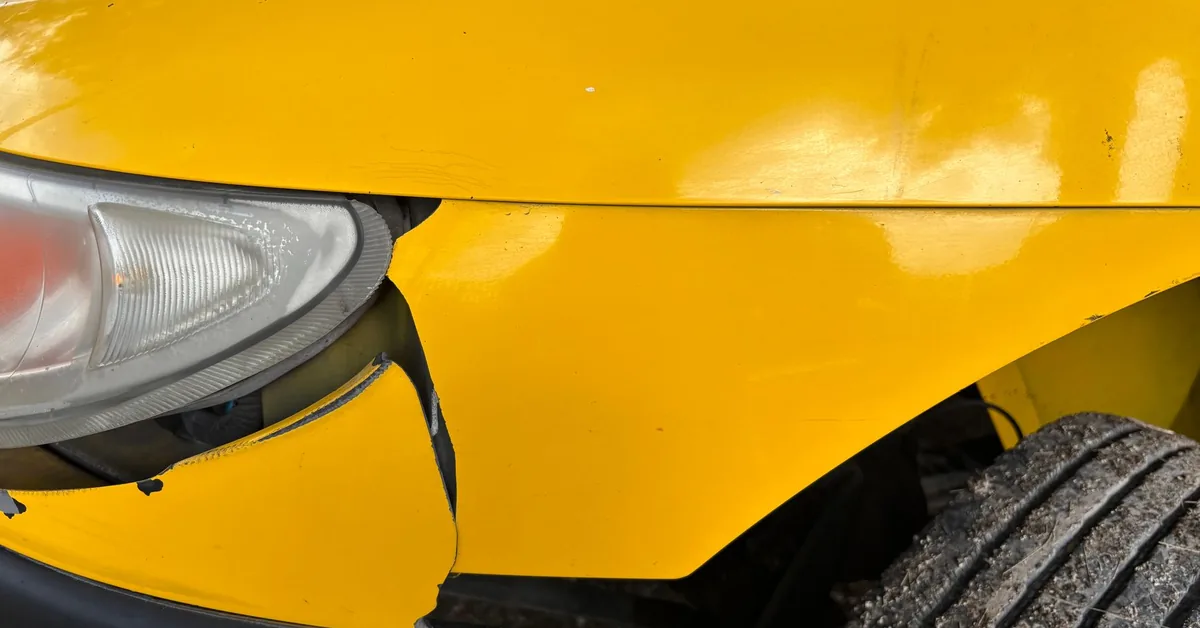
Pexels - Jorge Romero · original
In this article
A home or car insurance claim can raise your next premium, but there is no fixed UK-wide surcharge. Insurers price claims using the type of incident, cost, fault, your claims history, postcode, excess, no-claims bonus and wider market conditions. A small windscreen repair may have little effect, while a fault car accident, theft claim or escape-of-water home claim can affect quotes for several renewal cycles.
For most households, the practical question is not “will it go up?” but “is the claim worth making after the excess, possible loss of no-claims discount and future premium impact?” Get renewal and comparison quotes before deciding where possible, but never hide a claim or incident when an insurer asks.
Why a claim can change your price
Insurance is priced around risk. A recent claim gives insurers evidence that a future claim may be more likely, or that the potential cost could be higher. MoneyHelper explains that insurance premiums are affected by personal details, the cover selected and the insurer’s view of risk (MoneyHelper, 2026).
For car insurance, the effect is often clearer because claims can reduce or remove part of your no-claims bonus (NCB), unless it is protected and the claim fits the policy terms. Even with protected NCB, the base premium can still rise because the insurer may now rate you as a higher risk. GOV.UK says vehicles must normally be insured if they are used or kept on public roads, unless a statutory off-road notification applies (GOV.UK, 2026). That means most drivers cannot simply avoid the market after a claim.
For home insurance, the size and cause of the claim matters. An accidental damage claim for a broken item is not priced in the same way as repeated escape-of-water claims, subsidence, storm damage or burglary. Insurers may also apply a higher excess, limit some cover, or decline to quote if the risk looks materially worse.
How much could it add?
The honest UK answer is: it depends, sometimes by a modest amount, sometimes by hundreds of pounds a year. Which? and other consumer guidance regularly explain that claims history is one of the inputs used in insurance quotes, but the precise increase varies because each insurer uses its own rating model (Which?, 2026).
Three patterns are common:
Read also: What Is an Insurance Excess and How Much Should It Be in the UK
- A non-fault car claim may still affect quotes, especially if there were costs, injuries or uncertainty about recovery from the other party.
- A fault car claim usually has a larger effect, particularly if it reduces your NCB.
- A recent home claim can matter most when it suggests an ongoing risk, such as water leaks, flood exposure, security problems or structural movement.
The FCA regulates UK insurance firms and sets conduct expectations for financial services firms dealing with consumers (FCA, 2026). If you think an insurer has treated you unfairly, start with the insurer’s formal complaints process and keep copies of renewal notices, claim letters and quote evidence.
Should you claim?
Before making a small claim, compare the payout with the excess and the possible renewal impact. If the repair costs £350 and your excess is £250, the short-term benefit may be only £100 before any future price effect. For a larger loss, claiming is often the reason you bought the cover.
Do not withhold information. If an insurer asks about claims, accidents, losses or incidents, answer accurately even if no payout was made. Non-disclosure can lead to cancelled cover or a rejected claim later.
Practical next step
Keep a simple record of the date, cause, claim cost, excess paid and whether your NCB was affected. At renewal, get quotes with the same claim history and compare the total cost, not just the headline premium. Read the policy wording and key facts document carefully, because cover, exclusions, excesses and availability vary by insurer and policy.
This article is general information only, not regulated financial advice. UmbrellaOwl is not authorised by the FCA. For personal decisions, consider speaking to an FCA-authorised insurance adviser, and consult a solicitor or tax professional where legal or tax issues are involved.
Sources
- Insurance (accessed )
- Vehicle insurance (accessed )
- Insurance Reviews and Advice (accessed )
- Consumers (accessed )
Related articles

How a Claim Affects Your UK Insurance Premium at Renewal
Learn how making a claim impacts your UK insurance premium at renewal, including no-claims bonus protection and how long claims stay on record.
How to Make a Successful Home Insurance Claim in the UK
Understand how to successfully file and settle a home insurance claim in the UK with this step-by-step guide to the claims process.

Best and Worst Car and Home Insurance Claims Service in the UK: What to Check
How to judge the best and worst UK car and home insurers for claims, using complaints data, wording and service checks.
