Comprehensive vs. Third-Party Car Insurance in the UK: Which Cover Is Right for Your Car Value?
Choosing between comprehensive and third-party car insurance depends on your vehicle's value, budget, and risk tolerance. This guide compares both options to help you decide.
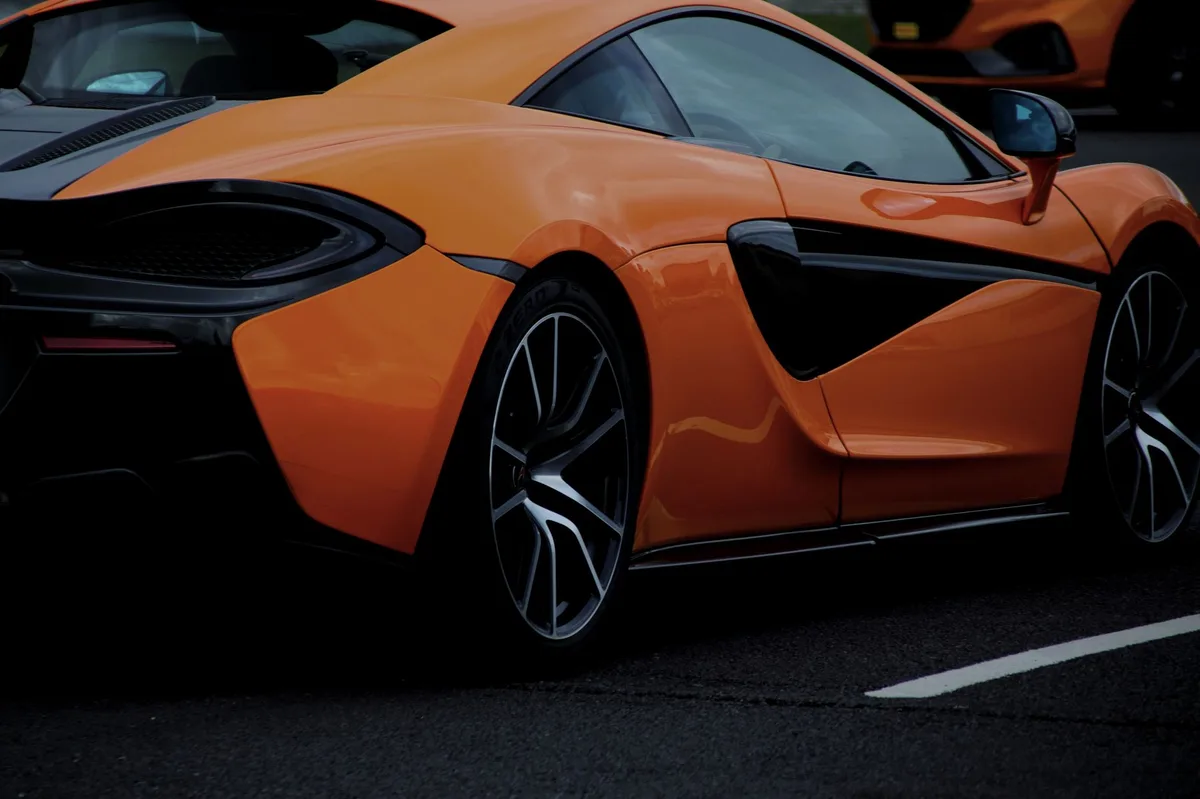
Pexels - Kristian Thomas · original
In this article
Key Takeaway
Comprehensive cover protects your own vehicle plus third-party claims, making it ideal for newer or high-value cars. Third-party cover (including third party, fire and theft) only pays for damage you cause to others, suiting older, lower-value vehicles where the annual premium would exceed the car’s worth. Your decision hinges on car value, replacement cost, and budget.
Quick Comparison
| Factor | Comprehensive | Third Party, Fire & Theft | Third Party Only |
|---|---|---|---|
| Your car damage | Covered (minus excess) | Fire and theft only | Not covered |
| Other people’s property | Covered | Covered | Covered |
| Legal requirement met? | Yes | Yes | Yes |
| Typical annual premium | Higher (£400-£800+) | Moderate (£300-£600) | Lower (£250-£500) |
| Best for | Newer cars, high value | Mid-age cars, moderate value | Older cars, low value |
Premiums vary by driver profile, location, and no-claims bonus; figures shown are illustrative as of August 2026.
What Each Level Covers
Comprehensive Insurance
Comprehensive is the widest motor cover available in the UK. It pays for:
- Damage to your own vehicle (accident, vandalism, weather)
- Third-party property damage and injury
- Fire and theft
- Windscreen repair (often with reduced or no excess)
- Personal accident benefits (varies by insurer)
You pay an excess (the first portion of any claim) when claiming for your own vehicle. According to the Association of British Insurers, comprehensive policies account for around 70 per cent of private car insurance in the UK, reflecting their popularity despite higher premiums (ABI, 2026).
Third Party, Fire and Theft
This mid-tier option covers:
- Third-party property damage and injury (unlimited)
- Fire damage to your car
- Theft of your car
It does NOT cover accidental damage to your own vehicle (collision, kerb strikes, non-theft vandalism). If you crash into a lamppost, you pay for your repairs yourself.
Third Party Only
The legal minimum. It covers:
- Third-party property damage and injury
Nothing else. Your own car, fire, and theft are not covered. This is rarely the cheapest option today; insurers often price it higher than third party, fire and theft due to claims experience.
How Car Value Should Guide Your Choice
High-Value or Newer Cars (£8,000+)
Choose comprehensive. If your car is worth more than two years of comprehensive premiums, the cover pays for itself in a single claim. A £15,000 vehicle written off in a crash is a significant financial loss; comprehensive replaces it (subject to policy terms and market value settlements).
Mid-Range Cars (£3,000-£8,000)
Consider third party, fire and theft or comprehensive. Compare the annual premium difference against the car’s value. If comprehensive costs £100 more but your car is worth £5,000, the extra cover is prudent. If the gap is £300 and the car is ageing, third party, fire and theft may suffice.
Older, Low-Value Cars (Under £3,000)
Third party, fire and theft often makes sense. When your car’s value approaches or falls below the annual comprehensive premium, you are effectively self-insuring. For a £1,500 car, paying £600 for comprehensive cover is uneconomical; third party, fire and theft at £350 (or even third party only) may be wiser, especially if you have savings to replace the vehicle.
Other Factors That Matter
No-Claims Bonus (NCB)
A strong NCB reduces premiums across all cover levels, but the percentage discount often favours comprehensive policies. If you have four or more years of no-claims protection, comprehensive may be closer in price to third party than you expect.
Read also: How to Choose the Right Car Insurance in the UK: Comprehensive vs Third-Party
Excess and Affordability
Comprehensive policies require you to pay an excess (compulsory plus any voluntary amount) when claiming for your own damage. If you cannot afford a £500 excess in an emergency, comprehensive cover is less useful even if you technically have it. Ensure your excess aligns with your available savings.
Finance or Lease Agreements
If you are financing your car or leasing, the lender typically requires comprehensive cover. Check your agreement before downgrading.
Driving Habits and Risk
High-mileage drivers, those parking on the street, or living in areas with elevated theft or vandalism rates may find comprehensive cover worthwhile even on a lower-value car, purely for the fire and theft element plus peace of mind.
Recommendation by Profile
New or Nearly-New Car Owner: Comprehensive. The replacement cost justifies the premium.
Three-to-Seven-Year-Old Car, Moderate Value: Comprehensive or third party, fire and theft. Compare quotes; if the premium difference is modest (under £150), lean toward comprehensive.
Older Car, Low Resale Value, Good NCB: Third party, fire and theft. Balances legal compliance with some protection for fire and theft events, at a manageable cost.
Older Car, Minimal Value, Tight Budget: Third party only (if genuinely cheaper) or third party, fire and theft. Redirect the premium savings into an emergency fund for replacement.
Financed or Leased Vehicle: Comprehensive (likely contractually required).
Common Misconceptions
- “Third party is always cheapest.” Not in practice. Insurers price on risk; third-party-only policies can be more expensive than comprehensive for some driver profiles.
- “Comprehensive covers everything.” It does not. Wear and tear, mechanical breakdowns, and driving without a valid licence are excluded. Always read the policy wording.
- “My car is old, so I do not need insurance.” The law requires at least third-party cover for any vehicle used on the road, regardless of age. Continuous Insurance Enforcement applies in the UK (GOV.UK, 2026).
How to Decide
- Check your car’s current market value using valuation tools or sold listings.
- Obtain quotes for comprehensive and third party, fire and theft from comparison sites or directly from insurers.
- Calculate the premium difference as a percentage of the car’s value.
- Review your savings and risk tolerance. Can you afford to replace the car out of pocket if it is written off?
- Confirm any finance or lease requirements.
As covered in foundational insurance texts such as Principles of Finance by OpenStax, assessing risk and coverage needs against financial capacity is central to sound decision-making (OpenStax, 2026).
Conclusion
Comprehensive insurance suits higher-value vehicles and drivers who want full protection. Third-party cover (including fire and theft) works for older cars where the premium would approach or exceed the vehicle’s worth. Your choice should reflect your car’s value, your budget, and your ability to absorb a total loss. Obtain quotes for both levels and compare the cost against your car’s current market value. Speak to an FCA-authorised insurance adviser if your circumstances are complex, and always read the policy wording and key facts document before purchasing.
Financial Disclaimer: This article provides general educational information only and is not regulated financial advice. We are not authorised by the Financial Conduct Authority. Insurance products, cover levels, premiums, and exclusions vary by insurer, policy, and individual circumstances. The information here is current as of August 2026; verify all details with an FCA-authorised insurance adviser or the insurer before making any decisions. Always read the policy wording, key facts document, and terms before purchasing cover. For personalised recommendations, consult an FCA-authorised adviser.
Sources
- Vehicle Insurance (accessed )
- Choosing the Right Insurance (accessed )
- Insurance Guidance (accessed )
- Principles of Finance (accessed )
Related articles
How to Lower Your Car Insurance Premium at Renewal in the UK
Learn how to lower your UK car insurance premium at renewal with practical strategies including comparison shopping, excess adjustment, and no-claims protection.

How to Choose the Right Car Insurance in the UK: Comprehensive Versus Third-Party
Compare comprehensive and third-party car insurance in the UK. Understand cover levels, costs, and which option suits your driving situation.

How to Choose the Right Car Insurance in the UK: Comprehensive Versus Third-Party
Compare comprehensive and third-party car insurance in the UK. Learn which cover suits your needs, how to assess costs, and avoid common mistakes.
