Electric Vehicle Insurance in the UK: How It Differs from Petrol Cover
Electric vehicle insurance in the UK shares the same legal foundation as petrol cover but introduces distinct considerations around battery protection, charging infrastructure, and specialist repair networks.
Pexels - Kindel Media · original
In this article
Key takeaway: Electric vehicle insurance in the UK follows the same legal requirements as petrol cover (third party, third party fire and theft, or comprehensive), but policies typically cost more and include specialist provisions for battery damage, charging cable theft, and access to approved repair networks trained in high-voltage systems. The battery is the most expensive component, so comprehensive cover with adequate battery protection is essential.
What Electric Vehicle Insurance Is
Electric vehicle (EV) insurance is motor cover designed for cars powered entirely or partially by electricity rather than petrol or diesel. Like all UK motor insurance, it must meet the legal minimum of third-party cover under the Road Traffic Act 1988, as confirmed by GOV.UK vehicle insurance guidance. Insurers offer the same three tiers: third party (covering damage you cause to others), third party fire and theft, and comprehensive (covering your own vehicle plus third-party liability).
The core difference lies in how insurers assess risk and structure cover around EV-specific components, particularly the battery pack, electric motor, charging equipment, and the specialist knowledge required to repair them safely.
Why It Matters
Electric vehicles represent a growing segment of the UK car market, driven by government targets to phase out new petrol and diesel sales. According to the Association of British Insurers, understanding the insurance implications before purchasing an EV helps drivers budget accurately and avoid underinsurance.
The battery alone can account for a third of an EV’s purchase price. Damage to the battery, even from a seemingly minor collision, may require full replacement rather than repair due to safety protocols around lithium-ion cells. Without adequate cover, drivers face repair bills that can exceed the residual value of the vehicle, leading insurers to write off cars that would be economically repairable if petrol-powered.
How EV Insurance Differs from Petrol Cover
Battery Protection
The most significant difference is battery cover. Comprehensive EV policies typically include protection for accidental battery damage, degradation beyond normal wear, and fire risk. Some insurers specify whether they cover battery capacity loss over time or limit claims to sudden accidental damage. Foundational texts such as Principles of Finance explain that insurance pricing reflects the expected cost of claims, and high battery replacement costs directly drive higher premiums for EVs compared with equivalent petrol models.
Policies may also cover the cost of recovering a vehicle with a damaged battery, which requires specialist equipment and trained personnel due to high-voltage hazards. Standard recovery services used for petrol cars are not always equipped to handle EVs safely.
Charging Infrastructure and Cable Theft
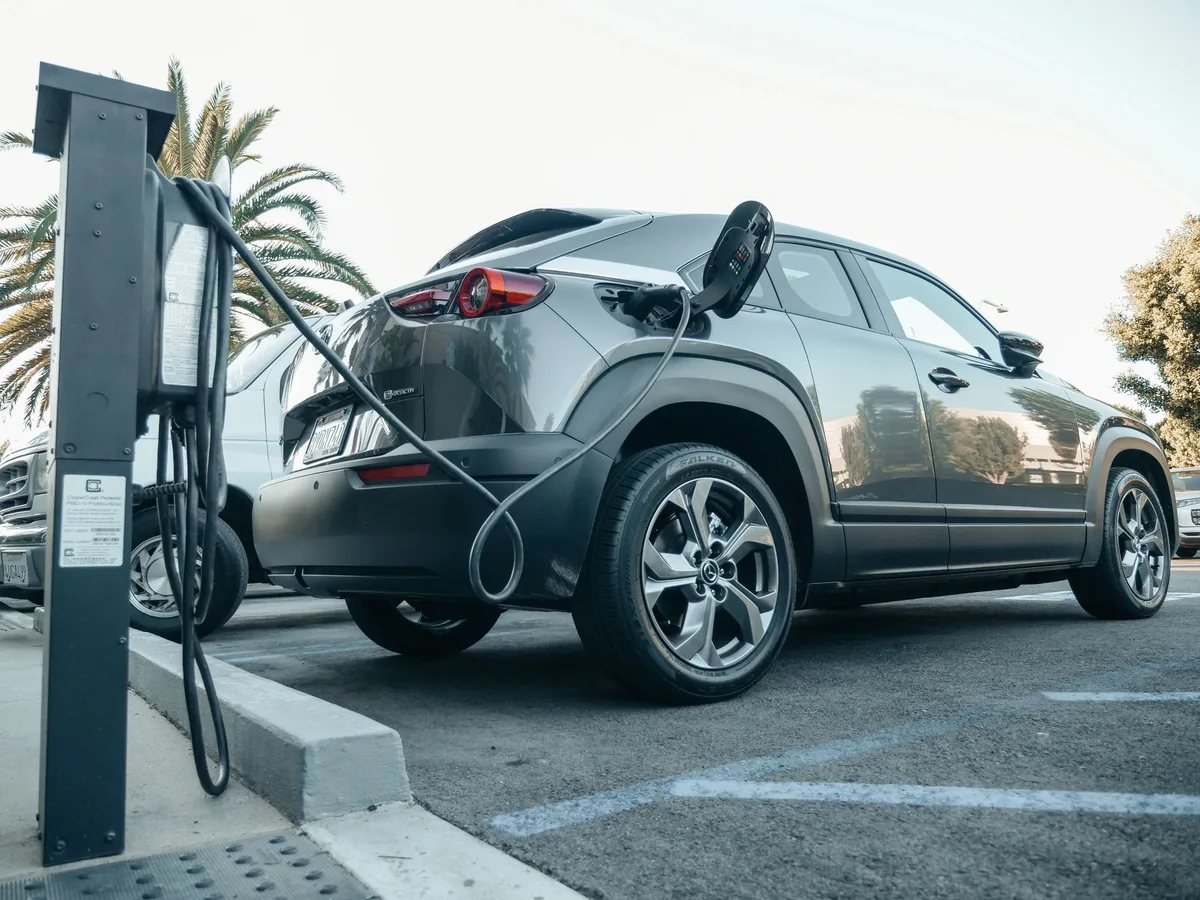
EV insurance often extends to cover home charging points (wallboxes) installed at your property, including damage from electrical faults, vandalism, or accidental impact. Some policies include the cost of temporary alternative charging arrangements if your home charger is out of service.
Charging cables are a common theft target. Comprehensive policies typically cover replacement cables, though excess (the amount you pay before the insurer contributes) applies. Public charging station damage, where your vehicle is plugged in and another driver collides with the charger or your car, falls under the same third-party liability rules as petrol vehicles, but the claim may involve the charging network operator as well as other drivers.
Repair Networks and Labour Costs
Electric vehicles require technicians trained in high-voltage systems. Insurers with EV cover usually direct policyholders to approved repairers certified to work on electric drivetrains, which can mean longer repair times if the network is limited in your area. Labour rates for specialist EV technicians are often higher than for conventional mechanics, contributing to increased premiums.
Parts availability also affects claims. Some EV models rely on imported components with longer lead times, extending the period your vehicle is off the road and increasing courtesy car costs for the insurer.
Read also: How to Choose Between Comprehensive and Third-Party Car Insurance in the UK
Premium Differences
EV insurance premiums are generally higher than for equivalent petrol cars, though the gap is narrowing as the market matures. Insurers cite repair costs, parts availability, and limited claims data as the primary drivers. However, some insurers offer discounts for EVs based on lower theft rates (especially for models with remote tracking and disabling features) and the perception that EV drivers are lower-risk.
Telematics (black box) policies, which monitor driving behaviour, are available for EVs and can reduce premiums for cautious drivers, just as with petrol cover.
UK-Specific Context
The Financial Conduct Authority (FCA) regulates motor insurance in the UK, and the same consumer protections apply to EV cover as to petrol policies. If a dispute arises, policyholders can escalate to the Financial Ombudsman Service. The Financial Services Compensation Scheme (FSCS) protects policyholders if an insurer becomes insolvent.
Continuous Insurance Enforcement applies equally to EVs: you must insure your vehicle or declare it off-road with a Statutory Off Road Notification (SORN), even if the car is not being driven. Failure to do so results in automatic penalties.
Some insurers have introduced EV-specific features, such as cover for battery lease arrangements (where the battery is leased separately from the vehicle), mileage-based policies that reflect lower running costs, and breakdown cover that includes mobile charging services if you run out of charge.
Key Differences at a Glance
- Battery cover: Comprehensive policies cover accidental battery damage; check whether degradation or capacity loss is included.
- Charging equipment: Home wallboxes and cables are typically covered under comprehensive policies.
- Repair networks: Access to specialist high-voltage technicians, which may limit garage choice.
- Premiums: Generally higher than petrol equivalents due to repair costs and parts availability.
- Excess: May be higher for battery-related claims.
Conclusion
Electric vehicle insurance in the UK operates within the same regulatory framework as petrol cover but reflects the distinct risks and costs associated with battery technology, charging infrastructure, and specialist repairs. Comprehensive cover is strongly recommended due to the high cost of battery replacement, and drivers should confirm that battery damage, charging equipment, and access to approved EV repairers are included in their policy. As outlined by MoneyHelper insurance guidance, comparing policies from multiple providers and reading the policy wording carefully helps ensure adequate protection.
Disclaimer: This article provides general information only and does not constitute regulated financial advice. We are not authorised by the Financial Conduct Authority. Electric vehicle insurance cover, exclusions, premiums, and availability vary by insurer and by policy. Always read the policy wording, key facts document, and certificate of motor insurance carefully, and confirm details with an FCA-authorised insurance adviser or broker for your personal circumstances before purchasing cover.
Sources
- Vehicle Insurance (accessed )
- Products and Issues (accessed )
- Insurance (accessed )
- Principles of Finance (accessed )
Related articles

How to Choose Between Comprehensive and Third Party Car Insurance in the UK
Compare comprehensive and third party car insurance in the UK. Learn which cover suits your needs, budget, and vehicle value.

What Comprehensive Car Insurance Covers in the UK and How to Choose a Policy
Discover what comprehensive car insurance covers in the UK, how it differs from third party cover, and how to choose the right policy for your needs.
How to Lower Your Car Insurance Premium at Renewal in the UK
Learn how to lower your UK car insurance premium at renewal with practical strategies including comparison shopping, excess adjustment, and no-claims protection.
