Will My Car Insurance Premiums Go Up in the UK in 2025?
Many UK drivers should expect car insurance to remain expensive in 2025, but an increase is not automatic. Your renewal depends on claims costs, your details and how actively you compare cover.
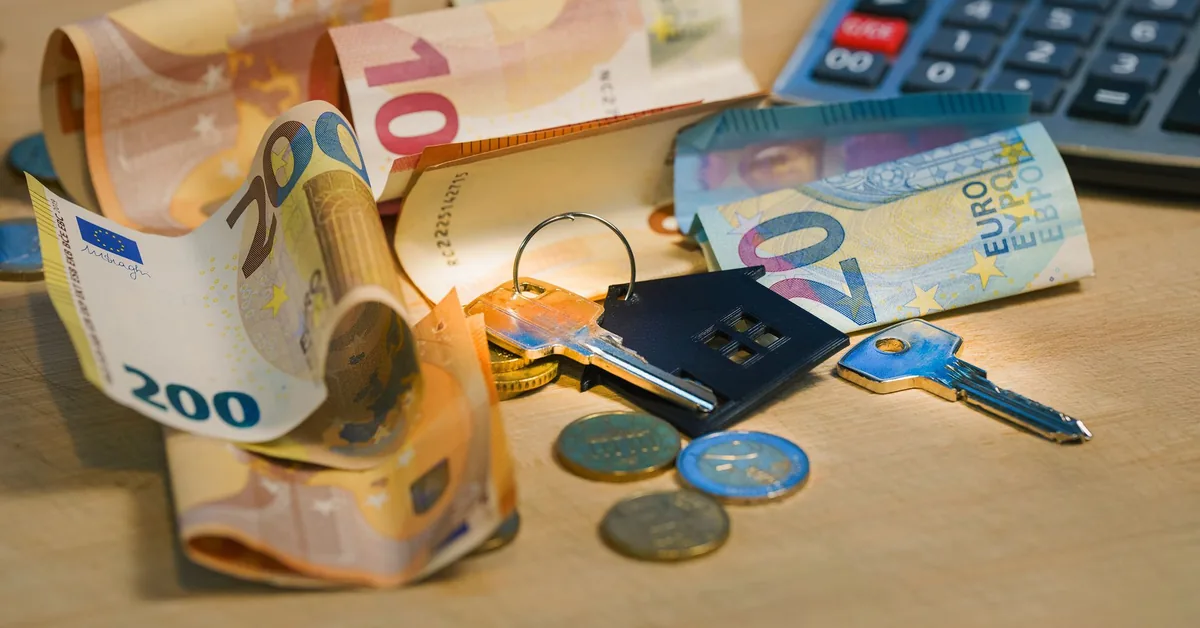
Pexels - Jakub Zerdzicki · original
In this article
Your car insurance premium may go up in 2025, but it is not guaranteed. UK prices are still being shaped by repair costs, theft risk, claims inflation, replacement vehicle costs and insurer pricing models. Your own renewal can still fall if your risk profile improves, you build more no-claims bonus (NCB), or you compare quotes before accepting the renewal.
Why premiums may still rise
Car insurance is priced around the insurer’s expected cost of claims. If parts, labour, hire cars, injury claims or fraud costs rise, that pressure can feed into premiums. Newer vehicles can also be expensive to repair, especially where sensors, cameras, electric vehicle batteries or specialist labour are involved.
Your premium is also personal. A new postcode, different job title, higher annual mileage, a recent claim, a motoring conviction, a change of car or an added driver can all affect the price. Even if the market is broadly expensive, two drivers in the same street may see very different renewals.
In the UK, you must have at least third party motor insurance if you use or keep a vehicle on public roads, unless the vehicle is declared off road with a Statutory Off Road Notification. GOV.UK explains the legal requirement for vehicle insurance and keeping a vehicle insured (GOV.UK, 2026).
Will everyone pay more?
No. Some drivers may see a lower premium in 2025 if they have another claim-free year, switch to a lower insurance group car, reduce mileage, move to a lower-risk area or find a more competitive insurer.
Drivers most exposed to increases tend to include younger drivers, people with recent claims, drivers in higher theft areas, owners of expensive vehicles and motorists who pay monthly. Monthly payments can include credit charges, so compare the total annual cost, not just the instalment. As of June 2026, payment terms vary by insurer, so verify current terms with the insurer before deciding.
What to check before renewing
Start comparing quotes around three to four weeks before renewal. Do not assume your current insurer is still best. Compare comprehensive, third party fire and theft, and third party cover, because the lowest level of cover is not always the cheapest.
Check the excess carefully. A higher voluntary excess can reduce the premium, but only choose an amount you could realistically pay after a claim. Review your NCB, whether it is protected, windscreen cover, courtesy car terms, breakdown cover and legal expenses cover.
Read also: How to Choose the Right Motor Insurance Coverage for Your Needs
MoneyHelper’s insurance guidance encourages consumers to understand what a policy covers and to compare more than headline price (MoneyHelper, 2026). Citizens Advice also provides consumer guidance on insurance problems and complaints (Citizens Advice, 2026).
How to limit an increase
Make sure every quote detail is accurate. Give a realistic annual mileage, use a truthful job description and only add genuine named drivers. Fronting, where a lower-risk person is named as the main driver when they are not, can invalidate cover.
Consider a telematics or black box policy if it suits how you drive, particularly for younger or lower-mileage drivers. Keep the car secure, avoid unnecessary modifications and think carefully before removing useful cover to cut the price. A cheaper policy with an unaffordable excess or weak courtesy car cover may be poor value.
What if the renewal looks wrong?
Ask your insurer to explain the price and check that your details are correct. If you think the insurer has made a mistake, complain to the firm first and keep records of what you sent and when.
The FCA provides consumer information on financial services firms and how to protect yourself when buying regulated products (FCA, 2026). You can also check whether a firm is authorised before buying.
Bottom line
Your UK car insurance premium could rise in 2025, especially if claims costs remain high or your personal risk profile has changed. But an increase is not automatic. Treat the renewal as a fresh purchase, compare cover early and read the policy wording and key facts document before buying.
This article is general information only and is not regulated financial advice. UmbrellaOwl is not authorised by the Financial Conduct Authority. Insurance cover, exclusions, premiums and availability vary by insurer and by policy, so consider speaking to an FCA-authorised adviser for your personal situation.
Sources
- Vehicle insurance (accessed )
- Insurance (accessed )
- Consumers (accessed )
- Insurance (accessed )
Related articles
How to Lower Your Car Insurance Premium at Renewal in the UK
Learn how to lower your UK car insurance premium at renewal with practical strategies including comparison shopping, excess adjustment, and no-claims protection.
How to Lower Your UK Car Insurance Premium at Renewal
Discover how to lower your UK car insurance premium at renewal with proven strategies including comparison shopping and no-claims protection.

What's Happening to Car Insurance Premiums in the UK?
See why car insurance premiums in the UK rose, why some quotes may be easing, and how to check value before renewal without cutting cover.
