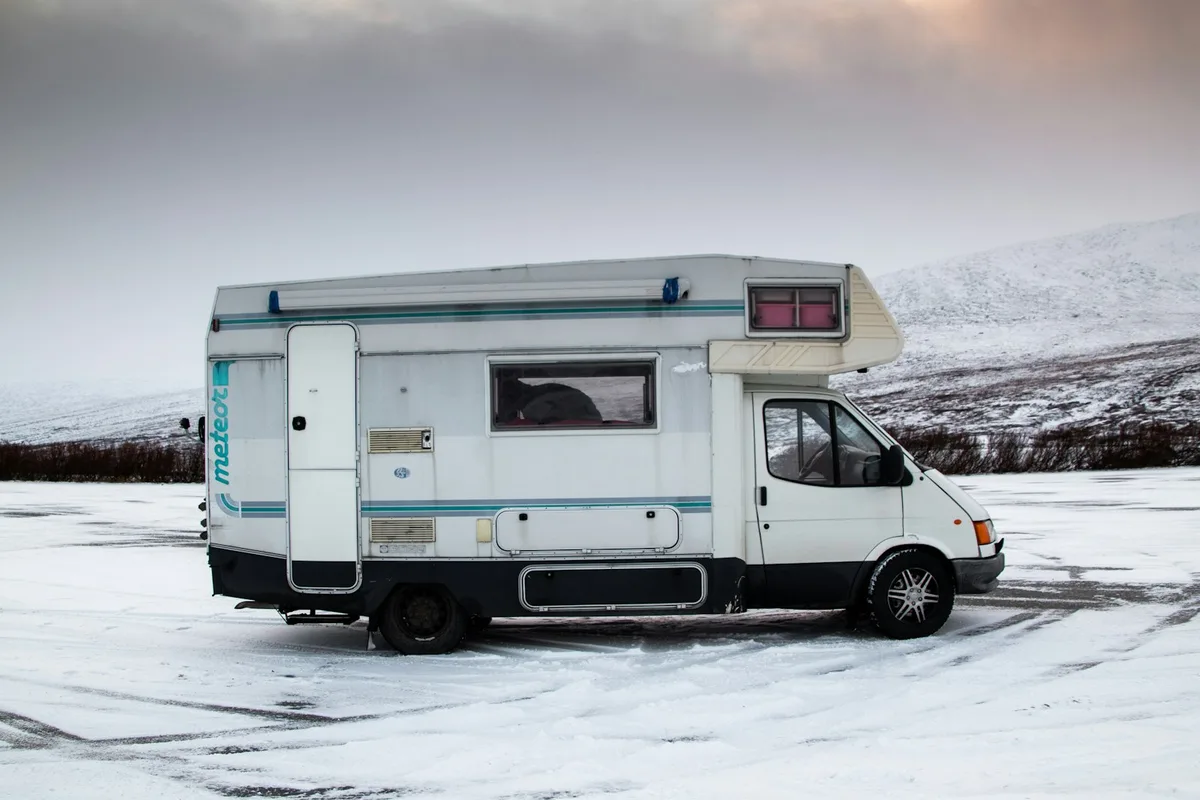
Unsplash - atarin michaeli · original
In this article
UK motor and home insurance premiums are easing from recent highs, but the drop is not universal. Your renewal can still rise if your insurer sees higher risk, your postcode has more claims, your car is costly to repair, or your home rebuild cost has changed. The practical move is to compare quotes before renewal, check that cover has not been cut, and avoid choosing a policy on price alone.
What has changed in UK premiums?
The headline is that parts of the UK insurance market are cooling after several years of steep increases. For home insurance, the Financial Times reported EY analysis forecasting that average UK home insurance premiums would fall by 3% in 2026, from about £330 in 2025 to £320 by the end of 2026 (Financial Times, 2026).
Motor insurance has also been showing signs of relief from its recent peak, although the position is mixed by age, region, vehicle type and claims history. A cheaper market average does not guarantee a cheaper quote for a particular driver.
The main point for consumers is simple: falling averages improve your bargaining position, but they do not replace proper quote checking.
Why prices can fall while costs stay high
Premiums can fall because insurers are competing harder for new business, claims frequency changes, investment returns improve, or previous price rises gave insurers more room to adjust. That does not mean repair, labour, materials or weather related claims have suddenly become cheap.
For home cover, rebuild costs, escape of water claims, storm damage, subsidence risk and contents values still matter. For motor cover, insurers still look at repair costs, parts availability, theft risk, injury claims, occupation, mileage, address, vehicle group, no-claims bonus and excess.
According to MoneyHelper, insurance is there to protect against financial loss, but the right policy depends on the risks you need covered and the exclusions in the policy wording (MoneyHelper, 2026). That is especially important when prices are falling, because a low premium may come with a higher excess, a lower cover limit, narrower accidental damage cover, or fewer add-ons.
What this means for your car insurance renewal
Do not assume your renewal notice reflects the wider market. Compare quotes around three to four weeks before renewal, using the same details and cover level so the comparison is fair.
For motor insurance, remember that it is a legal requirement to have at least third party cover if you use or keep a vehicle on public roads, unless it is declared off road with a Statutory Off Road Notification where applicable. GOV.UK explains the basic UK vehicle insurance requirement and the need to be insured before driving (GOV.UK, 2026).
If your premium has fallen, check why. It may be genuine market movement, or it may be because the quote has a higher compulsory or voluntary excess, different mileage, missing commuting use, no courtesy car, or no legal expenses add-on. If your premium has risen, check whether a telematics policy, lower mileage estimate, safer parking description, or different excess would make sense, provided the details are accurate.
Read also: What Is an Insurance Excess and How Much Should It Be in the UK
What this means for home insurance
For buildings insurance, check whether your rebuild cost is still realistic. The market premium can fall while your own sum insured needs to rise because building materials, labour and professional fees have changed. Underinsurance can leave you short if you need to claim.
For contents insurance, update high value items, bicycles, jewellery, gadgets and working from home equipment. A cheaper quote is not helpful if the single item limit is too low or accidental damage has been removed.
The Association of British Insurers provides consumer information on insurance products and issues, including the importance of understanding what a policy covers before buying (ABI, 2026). That matters when premiums are falling because insurers may compete on headline price while policies still differ sharply on exclusions.
The sensible next step
Treat the decline as a prompt to review, not a reason to cancel cover. Gather your current policy schedule, renewal price, excess, no-claims bonus, rebuild estimate, contents estimate and any add-ons. Then compare like with like.
If a new quote is much cheaper, read the policy wording and key facts document before switching. Confirm the excess, limits, exclusions, cancellation fees and claims process. For motor cover, make sure the use class and named drivers are correct. For home cover, check buildings, contents, accidental damage, personal possessions away from home and any flood or subsidence terms.
As of July 2026, premium trends and insurer terms can change quickly, so verify current terms with the insurer or an FCA-authorised adviser before deciding.
Bottom line
Falling UK motor and home insurance premiums are good news, but they are only a market average. The best outcome is not simply the cheapest renewal. It is the cheapest suitable policy that still covers the risks you actually need insured.
This article is general information only and is not regulated financial advice. UmbrellaOwl is not authorised by the Financial Conduct Authority. Cover, exclusions and availability vary by insurer and by policy, so read the policy wording and key facts document carefully. For personal recommendations, consider speaking to an FCA-authorised insurance adviser.
Sources
- UK home insurers to lose money on underwriting in 2026, analysis predicts (accessed )
- Vehicle insurance (accessed )
- Insurance (accessed )
- Products and issues (accessed )
Related articles

What Is an Insurance Excess and How Much Should It Be in the UK
An insurance excess is the amount you pay towards a claim. Learn typical UK excess amounts for motor, home and contents cover, and how to choose the right level.

Mid-Year Insurance Review: 6 Policies to Reassess in June
Review these 6 insurance policies in June to find better deals, update cover levels, and spot gaps in protection before the second half of 2026.

How Excess Amounts Work on UK Home and Car Insurance
Learn how excess amounts work on UK motor and home insurance, when you pay them, and how to choose the right level to balance premium savings with claim costs.
