What to Look for in Travel Insurance Beyond the Cheapest Policy in the UK
The cheapest travel insurance policy may leave you underprotected. Learn what matters most when choosing cover for your trip.

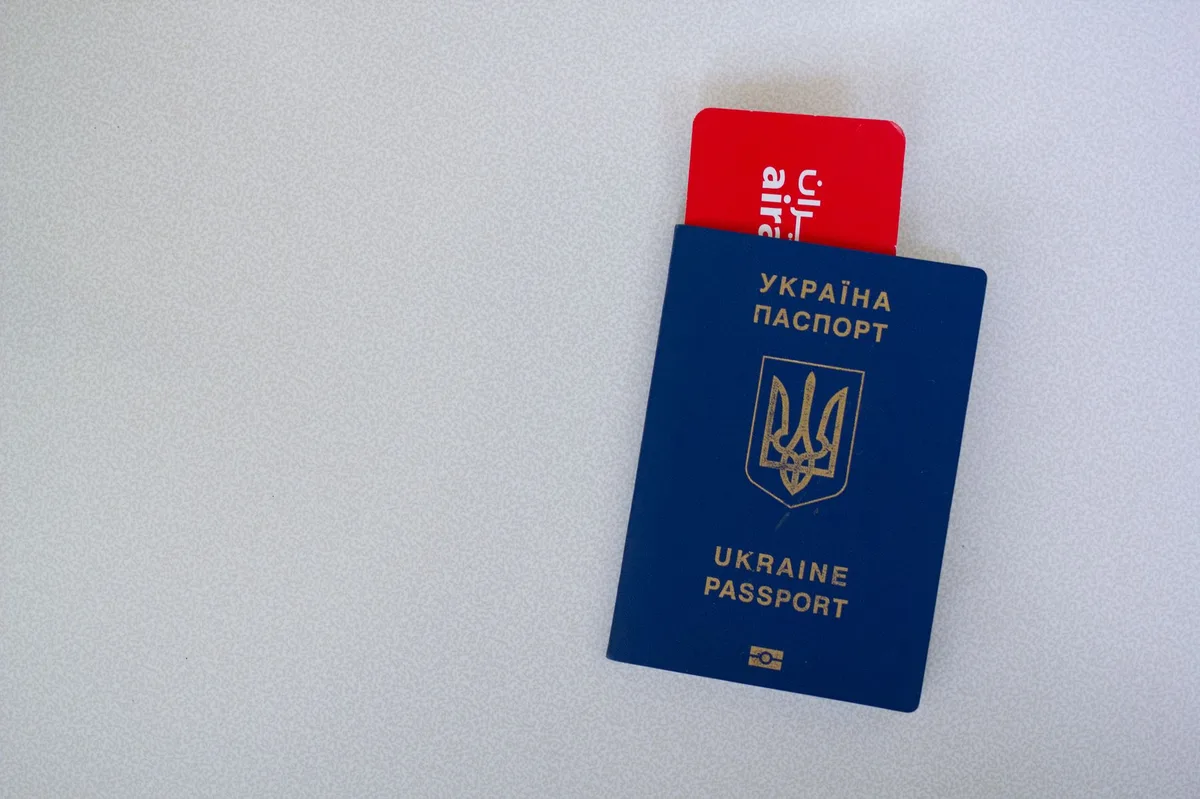
Pexels - Kari Alfonso · original
In this article
Key Takeaway
The cheapest travel insurance policy often provides minimal cover and may exclude the scenarios you most need protection for. Quality travel insurance should offer adequate medical cover for your destination, clear terms on cancellation and curtailment, reasonable excess amounts, and coverage for your planned activities. Always read the policy wording and key facts document before purchasing, and verify that pre-existing conditions are covered if relevant to your situation.
What Travel Insurance Actually Covers
Travel insurance is designed to protect you financially when unexpected events disrupt your trip or cause expenses while you are away from home. According to the Association of British Insurers, standard policies typically cover medical emergencies abroad, trip cancellation or curtailment, lost or stolen belongings, and personal liability (ABI, 2026).
The cheapest policy on a comparison site may tick these boxes in name only, with cover limits so low or exclusions so broad that a real claim leaves you significantly out of pocket. Understanding what separates adequate cover from false economy matters before you travel.
Medical Cover: The Most Critical Element
Medical treatment abroad can cost tens or even hundreds of thousands of pounds. The Financial Conduct Authority advises UK travellers to ensure their medical cover matches their destination and health circumstances (FCA, 2026). A minimum of £2 million medical cover is standard for Europe, but destinations such as the United States, Canada, and parts of Asia demand at least £5 million to £10 million due to higher healthcare costs.
Budget policies frequently cap medical cover at the lower end, leaving a dangerous gap if you need hospital treatment, air ambulance transfer, or repatriation. Check the policy schedule for the specific medical limit and ensure it applies to every country on your itinerary.
Pre-Existing Medical Conditions and Exclusions
Most standard travel policies exclude claims related to pre-existing medical conditions unless you have declared them and the insurer has agreed to cover them, often for an additional premium. MoneyHelper emphasises the importance of full disclosure when purchasing travel insurance to avoid claim rejection (MoneyHelper, 2026).
Cheap policies may refuse to cover pre-existing conditions at any price, or impose exclusions so broad that common conditions such as high blood pressure or asthma render the policy nearly useless. If you have any ongoing health condition or take regular medication, seek a policy that explicitly covers you after full declaration, and obtain written confirmation.
Cancellation and Curtailment Cover
Trip cancellation cover reimburses prepaid, non-refundable costs if you must cancel before departure for a covered reason such as illness, injury, or bereavement. Curtailment cover pays to cut your trip short and return home early for the same reasons. The key question is which reasons the policy accepts.
Budget policies often restrict cancellation to a narrow list of circumstances or impose strict conditions on who must be affected. For example, some policies only cover your own serious illness, not that of a close family member, or exclude cancellation due to work redundancy or jury service. Read the cancellation section of the policy wording carefully and ensure it aligns with realistic risks for your situation.
Excess Amounts and How They Affect Claims
The excess is the amount you must pay towards any claim before the insurer contributes. A travel policy might carry a standard excess of £50 to £100 per claim, or separate excesses for different claim types (medical, baggage, cancellation). Cheap policies sometimes use a high excess to lower the premium, meaning small claims become uneconomical to pursue and you bear more of the cost for larger claims.
Check the total excess you would pay in a realistic scenario. A policy with a £75 premium and a £200 excess may cost you more overall than a £120 policy with a £50 excess if you need to claim.
Activities, Destinations, and Cover Scope
Many standard travel policies exclude cover for hazardous activities such as skiing, scuba diving, trekking at altitude, or adventure sports. If your trip involves any such activity, verify that your policy either includes it as standard or allows you to add it for an additional premium. Participating in an excluded activity without disclosure can void the entire policy.
Read also: How to Estimate Travel Insurance Costs in the UK
Similarly, check that your policy covers every country you plan to visit. Some insurers exclude cover for destinations with Foreign, Commonwealth & Development Office travel warnings, or charge a higher premium for regions considered higher risk. Worldwide policies often exclude the United States and Canada unless you select a higher-tier plan, due to the medical costs there.
Single Trip vs Annual Multi-Trip Policies
If you travel more than twice a year, an annual multi-trip policy is usually better value than buying single-trip cover each time. However, annual policies typically limit each trip to 30, 45, or 60 days depending on the level you purchase. Check the maximum trip duration and ensure it fits your travel pattern.
Annual policies also vary in geographical scope. A Europe-only annual policy costs less than worldwide cover, but will not protect you if you later decide to travel further afield.
Claims Process and Insurer Reputation
A cheap policy from an insurer with a poor claims-handling record can prove expensive in time and stress. The Financial Ombudsman Service publishes complaint data that can give insight into how insurers treat customers when claims arise (FOS, 2026). Look for insurers with a straightforward claims process, accessible customer service, and a reputation for fair assessment.
Policy documents should clearly explain how to make a claim, what evidence you need to provide, and the timescale for assessment. Avoid policies with vague or overly complex claims procedures.
UK-Specific Considerations
UK travellers to Europe can use the Global Health Insurance Card (GHIC) or UK European Health Insurance Card (EHIC) for necessary state healthcare in EU countries, Iceland, Liechtenstein, Norway, and Switzerland, but this is not a substitute for travel insurance. The GHIC covers state healthcare only, not repatriation, cancellation, or many treatments that UK residents expect, and you may still face charges or exclusions.
All travel insurers in the UK must be authorised by the Financial Conduct Authority. If a claim is declined unfairly, you can escalate to the Financial Ombudsman Service after exhausting the insurer’s complaints process. The Financial Services Compensation Scheme (FSCS) protects you if the insurer fails financially, up to 100 per cent of the claim with no upper limit for this type of insurance.
Conclusion
The cheapest travel insurance policy is only a good deal if it actually covers the risks you face. Foundational texts such as Principles of Finance explain that effective insurance transfers risk at a cost proportional to the protection received. Prioritise adequate medical cover for your destination, ensure cancellation terms match realistic scenarios, verify that activities and pre-existing conditions are covered, and choose an insurer with a strong claims record. Read the full policy wording and key facts document before purchasing, and disclose all relevant health conditions honestly.
For your personal circumstances, consider speaking to an FCA-authorised insurance adviser who can recommend cover suited to your trip, health, and activities. Cover, exclusions, and availability vary significantly by insurer and by policy, so verify current terms with an FCA-authorised adviser or the insurer before deciding.
Financial Disclaimer: The information in this article is general information only and is not regulated financial advice. We are not authorised by the Financial Conduct Authority. This article is for educational purposes. You should consider speaking to an FCA-authorised insurance adviser or broker for advice tailored to your personal situation before purchasing travel insurance. Always read the policy wording, key facts document, and terms and conditions, and confirm details with the insurer or an FCA-authorised adviser for your specific circumstances. Travel insurance products, cover limits, exclusions, and premiums vary by insurer, by policy, and by your personal health and travel plans.
Sources
- Consumer guidance on insurance (accessed )
- Travel insurance guidance (accessed )
- Insurance products and issues (accessed )
- Principles of Finance (accessed )
Related articles

What to Look for in Travel Insurance in the UK Beyond the Cheapest Policy
Compare travel insurance policies in the UK beyond price. Learn what medical cover, cancellation protection, and policy features matter most for your trip.

How to Estimate Travel Insurance Costs in the UK
Estimate travel insurance costs for your UK trip. Learn what factors affect premiums and how to find the right cover at the best price.
Travel Insurance in the UK: What It Covers and Which Policy Type Is Best Value
Learn what UK travel insurance covers, from medical emergencies to cancellations, and compare single-trip vs annual policies to find the best value.
