Pre-Winter Auto Insurance Review Checklist for US Drivers
A practical checklist to review your auto insurance coverage before winter weather arrives, ensuring you have the right protection for hazardous driving conditions.
Pexels - Cara Denison · original
In this article
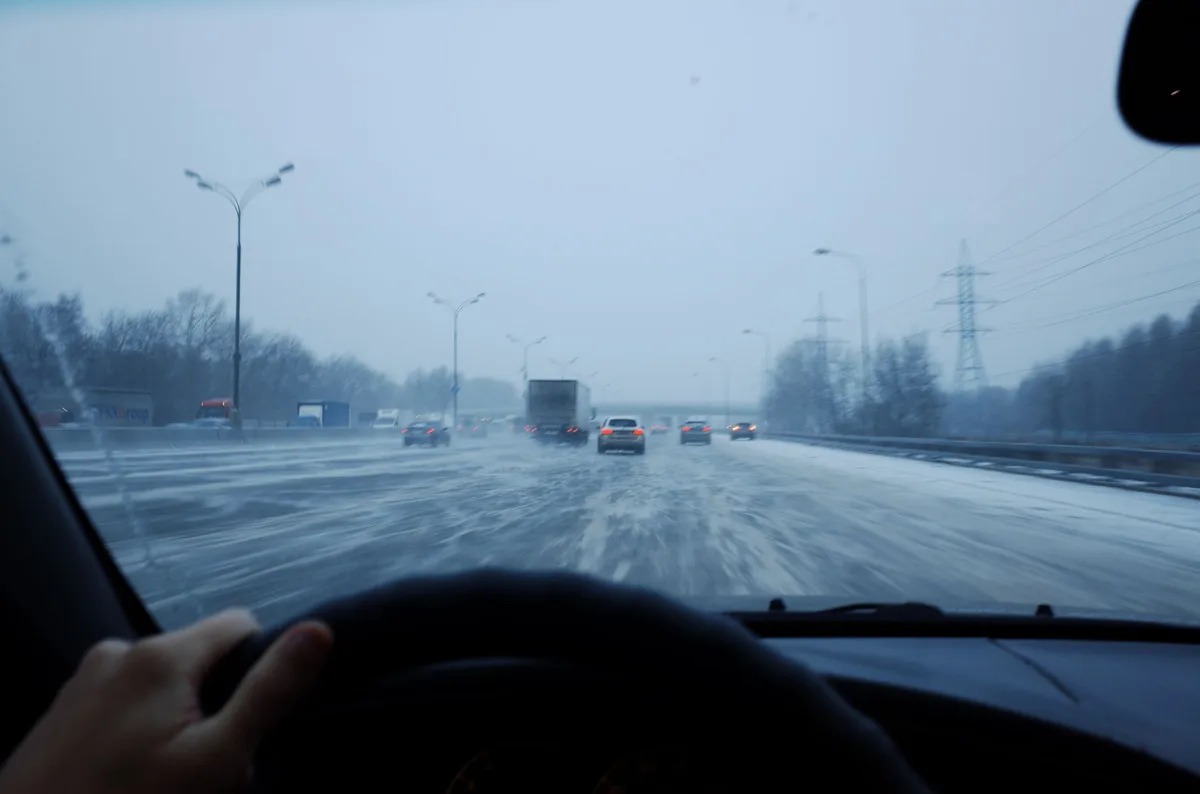
Winter driving conditions in the United States bring ice, snow, reduced visibility, and increased accident risk. Before the season arrives, review your auto insurance policy to confirm you have adequate coverage for weather-related damage, collisions, and roadside emergencies. This checklist walks you through the key coverage areas to verify, common gaps to address, and steps to take now so you are protected when winter storms hit.
Why Review Auto Insurance Before Winter
Winter weather contributes to hundreds of thousands of crashes annually across the US, according to federal highway data. Snow, ice, and freezing rain create hazards that raise both the frequency and severity of claims. Reviewing your policy before the season starts gives you time to adjust coverage, update contact information, and avoid discovering gaps after an accident occurs.
Foundational insurance concepts covered in texts such as Principles of Finance explain that adequate coverage balances premium cost against the risk of significant out-of-pocket loss. Winter driving elevates that risk, making an annual pre-season review a practical step in managing your financial exposure.
Pre-Winter Auto Insurance Checklist
Work through each item below with your current policy documents in hand. Note any gaps or updates needed, then contact your agent or carrier to make changes before the first freeze.
1. Verify Comprehensive Coverage
Comprehensive coverage pays for damage to your vehicle from non-collision events, including hail, falling ice, hitting a deer, and theft. Winter storms bring all of these risks. Confirm you carry comprehensive and review your deductible. A lower deductible reduces your out-of-pocket cost if you file a claim, but raises your premium. Decide whether your current deductible fits your budget for both scenarios.
2. Check Collision Coverage and Deductible
Collision coverage pays for damage when your vehicle hits another car, guardrail, or object, or rolls over. Icy roads and reduced traction make winter collisions more likely. Verify you have collision coverage and review the deductible amount. If you drive in areas with frequent winter weather, a deductible you can afford to pay quickly matters more than in milder climates.
3. Review Liability Limits
Liability coverage pays for injuries and property damage you cause to others in an at-fault accident. According to the Insurance Information Institute, state minimum liability limits are often too low to cover serious winter accidents involving multiple vehicles or significant injuries (III, 2024). Review your bodily injury and property damage liability limits. Many experts recommend 100/300/100 coverage (100,000 per person, 300,000 per accident for bodily injury, 100,000 for property damage) or higher if your assets justify umbrella protection.
4. Confirm Roadside Assistance and Towing
Dead batteries, flat tires, and vehicles stuck in snow or ice are common winter breakdowns. Confirm whether your policy includes roadside assistance and towing coverage. Review the reimbursement limit per incident and the service area. If your policy does not include this coverage, adding it typically costs 10 to 25 dollars per year and can save you from paying out-of-pocket towing fees that often exceed 100 dollars.
5. Update Emergency Contact Information
Your policy lists contact numbers for claims, roadside service, and your agent. Verify these are current and saved in your phone. Add your policy number and claim phone number to your contacts now so you can reach them quickly from a roadside emergency without searching through documents.
6. Verify Rental Car Coverage
If your vehicle is undrivable after a winter accident or while in the shop for storm damage, rental reimbursement coverage pays for a temporary replacement. Review whether you carry this optional coverage, the daily limit, and the maximum number of days. Without it, you pay out-of-pocket for a rental while your car is repaired.
7. Check Uninsured and Underinsured Motorist Coverage
Not all drivers carry adequate insurance. Uninsured motorist (UM) and underinsured motorist (UIM) coverage protect you when an at-fault driver has no insurance or insufficient limits to cover your injuries and damage. Confirm you carry UM/UIM coverage at limits that match or exceed your liability limits. Some states require this coverage, others make it optional. The National Association of Insurance Commissioners recommends reviewing state requirements and considering higher limits than the minimum (NAIC, 2024).
8. Review Multi-Car and Bundling Discounts
If you insure multiple vehicles or bundle auto and home insurance with the same carrier, confirm those discounts appear on your current policy. Carriers periodically update discount structures. A quick review ensures you receive all applicable savings, which can offset any premium increase from raising coverage limits.
Read also: How to Compare Auto Insurance Quotes the Right Way in the US
9. Verify Payment Method and Renewal Date
Confirm your payment method is current and your policy will renew without interruption. A lapsed policy due to a declined payment or expired credit card leaves you uninsured. Review your renewal date and set a calendar reminder to review coverage again before the next renewal cycle.
Common Mistakes When Reviewing Auto Insurance
Many drivers skip reviewing their policy until after an accident, when it is too late to adjust coverage. Others assume their state minimum liability limits are adequate, even though those minimums were set years ago and rarely cover the full cost of a serious multi-vehicle winter accident. Failing to update emergency contact information or verify roadside assistance coverage leaves you unprepared for common winter breakdowns.
Another frequent mistake is not adjusting deductibles based on your current financial situation. A 1,000-dollar deductible may have fit your budget when you bought the policy, but if you cannot easily cover that amount today, a lower deductible is worth the modest premium increase.
Frequently Asked Questions
When should I complete this review?
Complete your review in early fall, at least four to six weeks before the first expected freeze in your region. This gives you time to adjust coverage and shop for better rates if needed before winter weather arrives.
Do I need to increase coverage every winter?
Not necessarily. Annual review ensures your coverage still matches your current vehicle value, financial situation, and risk tolerance. Adjust coverage when those factors change, not automatically each season.
Will increasing coverage raise my premium significantly?
Adding roadside assistance or rental reimbursement typically costs 20 to 50 dollars per year. Raising liability limits or lowering deductibles has a larger impact, but the exact cost depends on your driving record, location, and carrier. Request a quote for the changes before committing.
What if I only carry state minimum liability?
State minimums are legal but often inadequate for serious accidents. Review your assets and consider whether you could afford to pay out-of-pocket if you cause an accident that exceeds your liability limits. Raising limits to 100/300/100 or higher protects you from personal financial liability.
Does comprehensive cover hitting a deer?
Yes, hitting a deer or other animal is covered under comprehensive, not collision, because it is a non-collision event. Confirm you carry comprehensive if you drive in areas with wildlife crossings.
Take Action Before Winter Arrives
Review your auto insurance policy now, make needed coverage adjustments, and update your emergency contact list before winter weather begins. Adequate coverage, accessible contact information, and a clear understanding of your deductibles and limits give you confidence and financial protection when driving in hazardous conditions.
Financial Disclaimer: This article provides general educational information about auto insurance coverage and is not personalized insurance, legal, or financial advice. Coverage requirements, minimum liability limits, and available options vary by state. Verify current requirements with your state Department of Insurance and consult a licensed insurance agent to confirm coverage appropriate for your personal situation before making decisions.
Sources
- What Is Covered by a Basic Auto Insurance Policy (accessed )
- Consumer Information on Auto Insurance (accessed )
- Principles of Finance (accessed )
Related articles
How to Choose the Right Auto Insurance Coverage for Your Needs in the US
Follow this checklist to choose auto insurance coverage that protects your finances and meets your state's requirements.

How to Compare Auto Insurance Quotes the Right Way in the US
Compare auto insurance quotes accurately by matching coverage limits, deductibles, and discounts. Avoid the trap of comparing price alone.
Summer Driving Risks and How to Protect Your Auto Coverage in the US
Discover the top summer driving risks in the US and how to protect your auto insurance coverage during road trips, heat waves, and storm season.
