Non-Owner Car Insurance in Canada: Coverage When You Drive Another Person's Car
Non-owner car insurance provides liability coverage when you regularly drive vehicles you don't own, though most Canadians are already covered under the owner's policy.
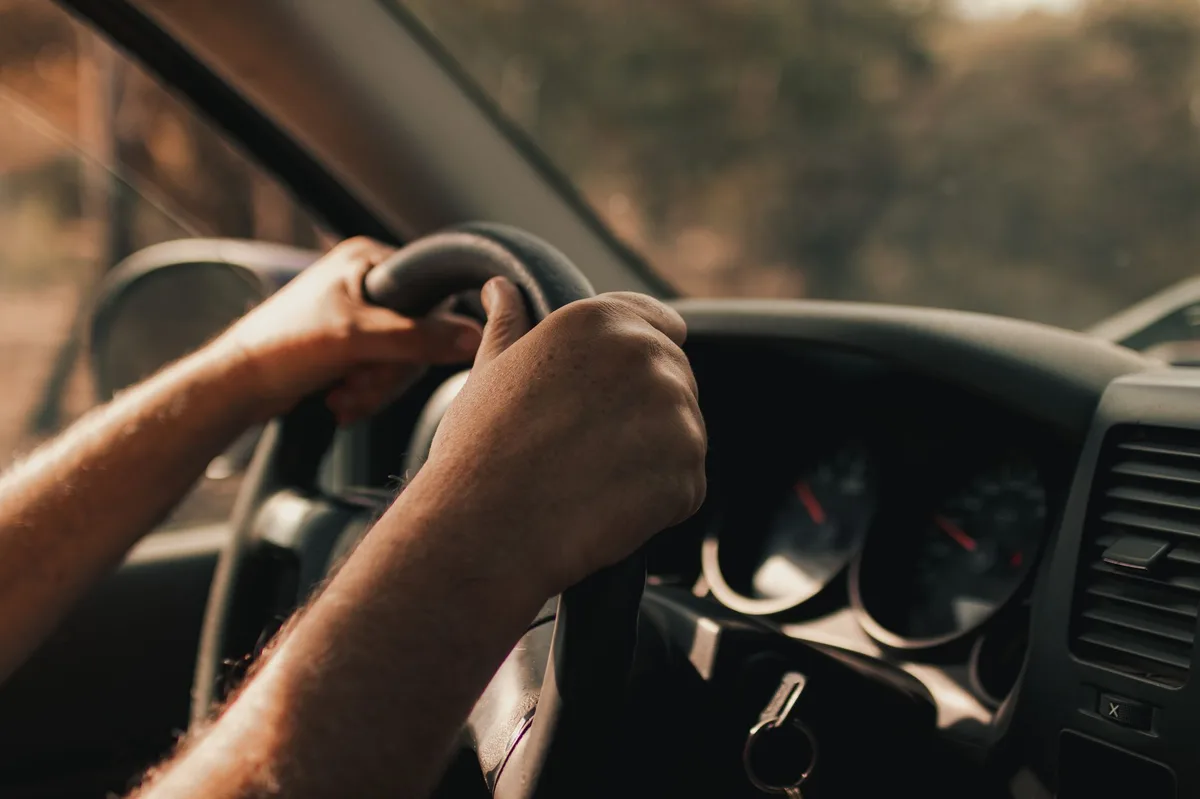
Pexels - Alessandro Avilés · original
In this article
Key Takeaway
Non-owner car insurance is a liability policy for people who regularly drive vehicles they don’t own. In Canada, this coverage is rarely necessary because the vehicle owner’s policy typically extends to occasional drivers with the owner’s permission. You might need a non-owner policy if you borrow cars frequently without owning one yourself, rent vehicles often, or need proof of insurance to maintain a licence after a suspension.
What Non-Owner Car Insurance Covers
Non-owner car insurance provides third-party liability coverage when you drive a vehicle you don’t own. According to the Insurance Bureau of Canada, liability insurance covers bodily injury and property damage you cause to others while driving.
A non-owner policy typically includes:
- Third-party liability coverage (covering damage or injury you cause to others)
- Legal defence costs if you’re sued after an accident
- Coverage across multiple borrowed or rental vehicles
The policy does NOT cover damage to the vehicle you’re driving or your own injuries. Those are covered by the vehicle owner’s collision, comprehensive, and accident benefits coverage.
When You Actually Need It (and When You Don’t)
Most Canadians don’t need non-owner car insurance because the vehicle owner’s policy covers occasional drivers. When you borrow someone’s car with permission, their insurance is primary and covers you as the driver.
You might need a non-owner policy if:
- You borrow cars several times a week but don’t own a vehicle
- You rent vehicles frequently and want continuous liability coverage rather than buying rental insurance each time
- You need to maintain continuous insurance after a licence suspension to avoid higher premiums later
- You drive for work using company or client vehicles without employer-provided coverage
You do NOT need it if:
- You occasionally borrow a friend’s or family member’s car (their policy covers you)
- You own a vehicle and have your own policy
- You only drive a few times per year
Read also: How Auto Insurance Works in Canada: Provincial Differences Explained
As covered in foundational insurance texts such as Principles of Finance, liability coverage follows the vehicle first and the driver second in most Canadian jurisdictions.
Provincial Differences and How Coverage Works
Auto insurance is regulated provincially in Canada, and rules vary by jurisdiction. In public insurance provinces (British Columbia, Saskatchewan, Manitoba, and Quebec for bodily injury), the vehicle owner’s policy through the provincial insurer automatically covers permitted drivers.
In private insurance provinces (Ontario, Alberta, and Atlantic Canada), the owner’s policy remains primary, but you should confirm with the vehicle owner that their policy includes coverage for occasional drivers. Most policies do, but some exclude specific drivers or have restrictions.
According to the Financial Consumer Agency of Canada, you should verify coverage details before driving any vehicle you don’t own, regardless of province (as of August 2026; verify current requirements with a licensed broker or the insurer before deciding).
If you’re added as a regular driver on someone else’s policy (for example, a family member’s vehicle you drive weekly), that’s typically a better option than a non-owner policy. The owner notifies their insurer, you’re listed on the policy, and coverage is clear.
How to Get Coverage When You Drive Another Person’s Car
Before driving a borrowed vehicle, confirm with the owner that their policy covers occasional drivers and check the liability limits. Most Canadian provinces require minimum liability coverage of C$200,000, but C$1 million or C$2 million is recommended.
If you need a non-owner policy, contact a licensed insurance broker who can compare options across insurers. Not all companies offer non-owner policies, and availability varies by province. Expect to provide your driver’s licence number, driving record, and details about how often and where you’ll be driving.
For frequent rental car use, compare the cost of a non-owner policy against buying the rental company’s liability coverage each time. The rental option may be simpler if you only rent occasionally.
Important: Coverage, exclusions, and availability vary by province, territory, and insurer. Confirm current requirements with your provincial insurance regulator and a licensed insurance broker for your personal situation. This information is general education only, not insurance advice.
Sources
- Auto Insurance (accessed )
- Insurance (accessed )
- Principles of Finance (accessed )
Related articles
Car Insurance in Mississauga, Ontario: A Complete Guide for Canadian Drivers
Complete guide to car insurance in Mississauga, Ontario. Learn mandatory coverage, optional protection, premium factors, and how to find the right policy.
How Auto Insurance Works in Canada: Provincial Differences Explained
Discover how auto insurance works across Canada's provinces, from public systems in BC and Manitoba to private markets in Ontario and Alberta.
Autumn Car Insurance Review in Canada: Preparing for Winter Driving
Review your car insurance before winter in Canada. Check collision, comprehensive, liability, winter tire discounts, and prepare for harsh driving conditions.
