What 81% Claims Satisfaction Means for Car Insurance Shoppers in Canada
High claims satisfaction is encouraging, but Canadian drivers should still compare price, coverage, service, and provincial rules before renewing.
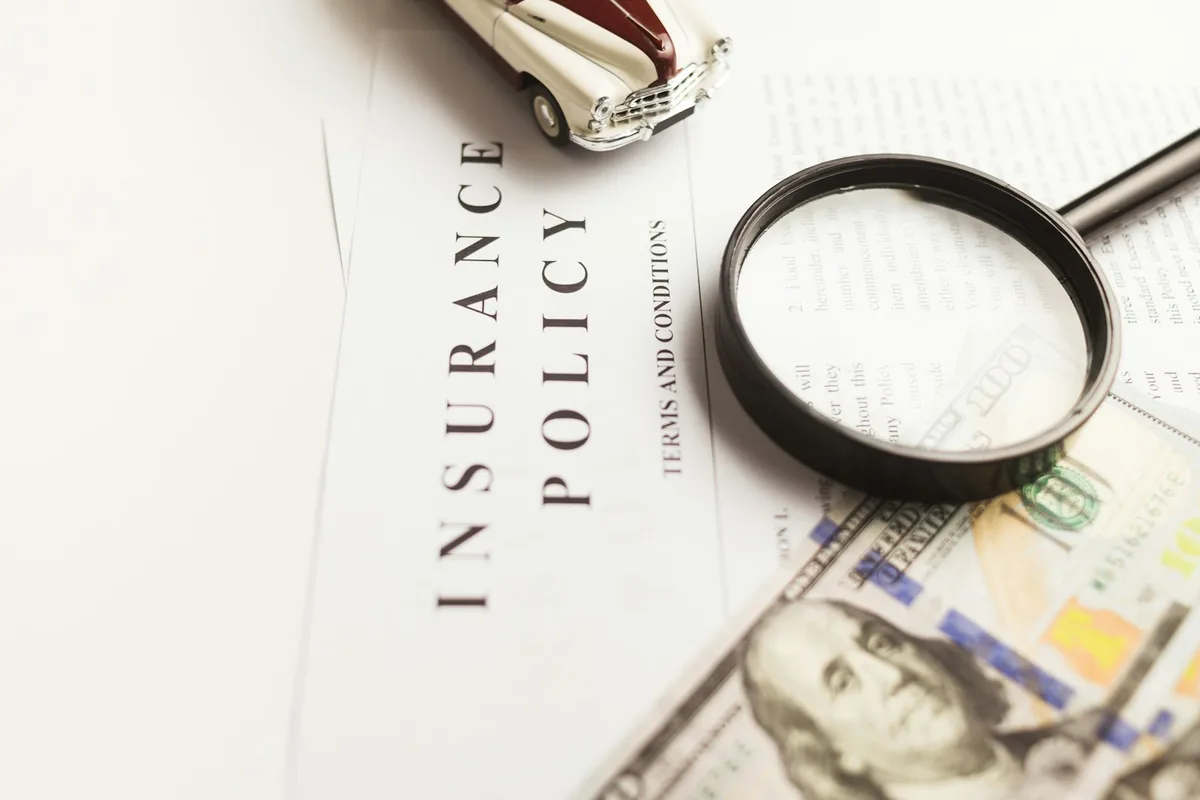
Unsplash - Vlad Deep · original
In this article
A reported 81% satisfaction rate with auto claims service is encouraging for Canadian drivers, but it should not end the shopping process. Claims service matters after a crash, theft, vandalism, or weather loss, while price matters every renewal. The best choice is the policy that balances premium, deductible, coverage, and a claims process you would be comfortable using.
Why the 81% Figure Matters
Claims are where car insurance becomes a service instead of a bill. If drivers across age groups say they are satisfied, that usually points to clear communication, reasonable repair coordination, timely payment, and fewer surprises during a stressful event.
Still, one national satisfaction number cannot describe every insurer, province, claim type, or repair delay. A simple windshield claim, a total loss, and an injury claim can feel very different. Public auto insurance provinces, such as British Columbia, Saskatchewan, and Manitoba, also operate differently from private markets such as Ontario and Alberta. Quebec adds another distinction: bodily injury from automobile accidents is handled through the public SAAQ plan, while vehicle damage is generally insured privately.
Do Not Compare Price Alone
Price sensitivity is understandable when premiums rise. But the cheapest quote can cost more later if it removes coverage you need or sets a deductible you cannot comfortably pay.
According to the Insurance Bureau of Canada, auto insurance rules vary by province and territory, and policies can include both mandatory and optional coverage (IBC, 2026). Depending on your province, core coverage may involve third party liability, accident benefits, direct compensation property damage (DCPD), and uninsured automobile coverage. Optional collision and comprehensive coverage can matter if you need protection for damage to your own vehicle.
What To Check Before Renewing
Start with the declarations page and compare it against any new quote line by line. Check liability limits, deductibles, accident benefits, collision, comprehensive, loss of use, depreciation waiver, and any listed drivers or vehicles.
A higher deductible may reduce the premium, as of July 2026; verify current terms with a licensed broker or insurer before deciding. The trade-off only works if you could pay that amount immediately after a claim.
Read also: How to Pay Less at Car Insurance Renewal in Canada After a 9% Increase
The Financial Consumer Agency of Canada provides consumer information on financial products and complaint handling (FCAC, 2026). For car insurance, that means keeping records, asking questions before signing, and knowing how to escalate if a complaint is not resolved.
Where Comparison Tools Fit
Comparison sites can help drivers see whether their renewal price is still competitive. LowestRates.ca publishes Canadian insurance comparison resources (LowestRates.ca, 2026). Use those tools as a first scan, then confirm the policy wording, eligibility rules, and claims process directly with the insurer, agent, or broker.
If a quote is much lower, ask what changed. It may reflect a different deductible, missing optional coverage, a telematics discount, a limited repair network, or a rating detail such as annual kilometres, commute use, address, or driver history.
Bottom Line
An 81% claims satisfaction figure is good news, but Canadian drivers should treat it as one signal, not a final answer. At renewal, compare service, coverage, deductibles, limits, and price together. A policy that is slightly cheaper but harder to claim on may not be the better value.
This article is general information only, not financial, legal, or insurance advice. Auto insurance products, coverage, exclusions, pricing, and rules vary by province and territory and by insurer. Read the policy wording, confirm current details with a licensed insurance broker or agent, and check the regulator or public auto insurer in your province for your personal situation.
Sources
- Auto Insurance (accessed )
- Financial Consumer Agency of Canada (accessed )
- Insurance (accessed )
Related articles
How to Pay Less at Car Insurance Renewal in Canada After a 9% Increase
Car insurance renewal up in Canada? Learn how to compare quotes, review coverage, adjust deductibles, and lower premiums safely.

What Kin Style Home and Auto Insurance Bundles Mean in Canada
Learn what Kin style home and auto insurance bundles mean in Canada and how to compare coverage before switching providers.

How to Lower Your Car Insurance Premium in Canada
Learn the proven strategies to lower your car insurance premium in Canada, from raising deductibles to bundling policies and qualifying for discounts.
