Why Your Car Insurance Is Likely Getting More Expensive in Canada in 2026
Canadian drivers are facing higher auto insurance premiums in 2026 due to rising repair costs, increased claims, and climate-related factors. Understanding these drivers can help you manage your coverage costs.

Pexels - Michael Li · original
In this article
Key Takeaway
Canadian drivers are seeing car insurance premiums climb in 2026 due to a combination of inflation-driven repair costs, surging auto theft rates (especially in Ontario and Quebec), more frequent and severe weather-related claims, and the rising expense of fixing increasingly complex vehicles. These trends affect drivers across all provinces, though the impact varies depending on whether you are in a public insurance market (British Columbia, Saskatchewan, Manitoba, Quebec) or a private one (Ontario, Alberta, and others). Understanding these cost drivers can help you make informed decisions when shopping for coverage or renewing your policy.
Introduction
If your car insurance renewal notice arrived with a premium increase this year, you are not alone. Drivers across Canada are experiencing higher auto insurance costs in 2026, and the reasons go beyond simple inflation. From the growing sophistication of vehicle technology to climate change-driven weather events and a nationwide spike in auto theft, insurers are adjusting rates to reflect the true cost of claims. In provinces with private insurance markets, these pressures translate directly into premium adjustments, while public insurers in British Columbia, Saskatchewan, Manitoba, and Quebec are also grappling with rising claim costs that affect their rate structures.
This article breaks down the major factors pushing car insurance premiums higher in 2026, what they mean for Canadian drivers, and how you can respond to these changes.
1. Inflation and Rising Vehicle Repair Costs
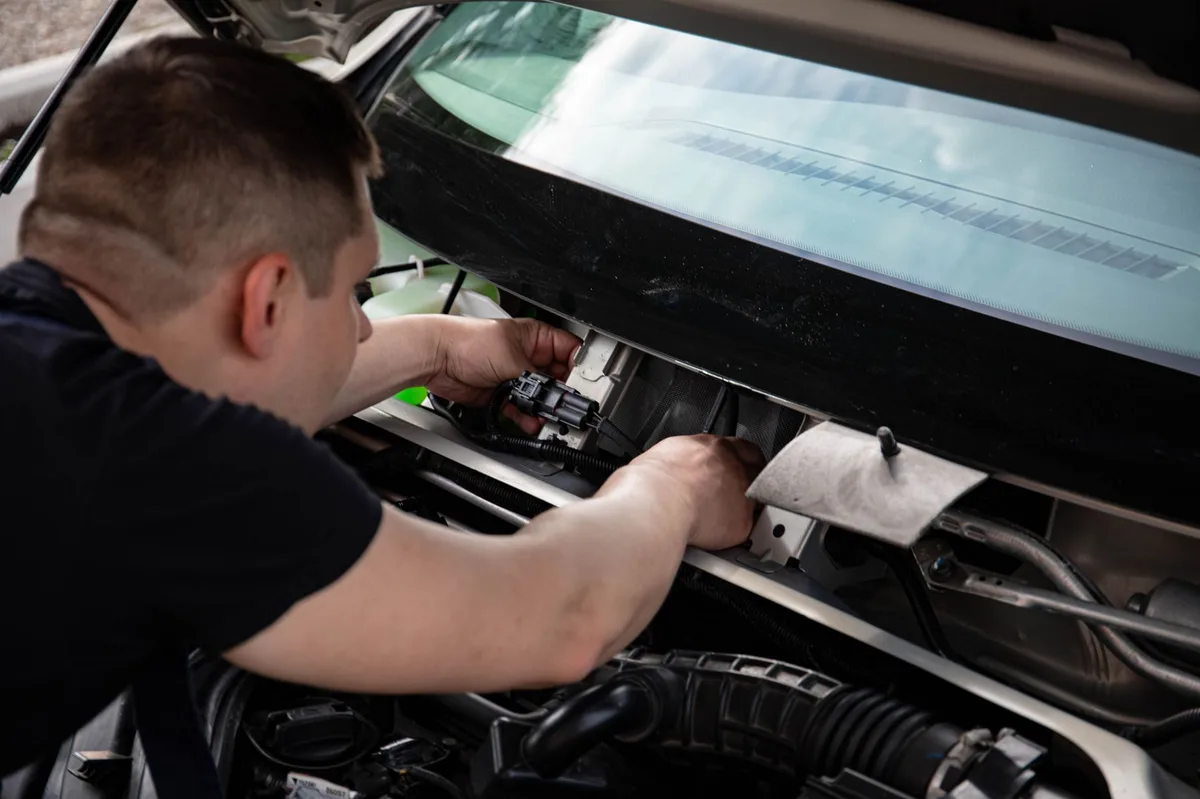
Modern vehicles are more technologically advanced than ever, equipped with sensors, cameras, advanced driver-assistance systems (ADAS), and sophisticated electronics. While these features improve safety, they also make repairs significantly more expensive. A minor fender bender that once required a bumper replacement can now involve recalibrating multiple sensors, replacing embedded cameras, and reprogramming onboard computers.
According to the Insurance Bureau of Canada, the average cost of vehicle repairs has increased substantially over the past five years, driven by parts shortages, supply chain disruptions, and the specialized labour required to fix complex systems (IBC, 2026). Inflation has also pushed up the cost of vehicle parts, paint, and body shop labour rates across the country. When insurers pay more per claim on average, they adjust premiums to maintain their ability to cover future claims.
For collision and comprehensive coverage, this means higher premiums even if your driving record is spotless. The cost to repair or replace a damaged vehicle in 2026 is simply higher than it was two years ago, and insurers price coverage accordingly.
2. Record-Breaking Auto Theft Rates
Auto theft has surged to crisis levels in parts of Canada, particularly in Ontario and Quebec. According to the Insurance Bureau of Canada, organized auto theft rings are targeting high-demand vehicles, often stealing them for export or parts. Thieves use sophisticated technology to bypass modern vehicle security systems in minutes, and certain makes and models are stolen at alarming rates.
The financial impact is significant. When a vehicle is stolen and not recovered, the insurer pays the full insured value under comprehensive coverage. Even recovered vehicles often require extensive repairs to restore locks, ignition systems, and damaged electronics. The spike in theft claims has driven up premiums, especially for vehicles identified as high-risk targets.
Ontario and Quebec have been hardest hit, but the trend is spreading to other provinces. Insurers respond by raising premiums for comprehensive coverage and, in some cases, requiring additional anti-theft devices for certain vehicle models. If you drive a frequently stolen make or model, you may see a particularly sharp increase in your comprehensive coverage premium.
3. Increased Claims Frequency and Severity
Beyond theft, insurers are seeing an overall increase in the frequency and severity of claims. More vehicles on the road, combined with distracted driving and higher traffic volumes post-pandemic, have contributed to more collisions. At the same time, the severity of claims has risen due to the repair cost factors mentioned above.
The Financial Consumer Agency of Canada notes that insurers use claims data to set premiums, and when the frequency or cost of claims increases, premiums rise to match (FCAC, 2026). This trend affects all drivers, even those who have not filed a claim themselves, because premiums are based on pooled risk within a region or rating class.
In provinces with private insurance markets, this translates directly into higher premiums. In public insurance provinces, the public insurer adjusts rates to cover the increased cost of claims, often requiring regulatory approval from the provincial government or oversight body.
4. Extreme Weather and Climate-Related Claims
Canada has experienced a sharp increase in extreme weather events in recent years, from wildfires in British Columbia and Alberta to severe hailstorms on the Prairies and flooding in Quebec and Atlantic Canada. These events drive comprehensive claims for vehicle damage caused by hail, fire, flooding, and falling debris.
Climate change has made these events more frequent and severe, and insurers are factoring this risk into their pricing models. Comprehensive coverage, which protects against weather-related damage, has become more expensive as a result. Even if your region has not experienced a major weather event recently, insurers price coverage based on projected future risk, and climate trends indicate that risk is rising nationwide.
In British Columbia, for example, the Insurance Corporation of British Columbia (ICBC) has highlighted the impact of wildfire smoke, debris, and flooding on claims costs. In Manitoba, severe hailstorms in recent summers have driven up comprehensive claims significantly. These regional variations affect premium rates across the country.
5. Rising Medical and Accident Benefits Costs
Car insurance in Canada includes mandatory accident benefits coverage (also called personal injury protection in some provinces) that pays for medical expenses, rehabilitation, and income replacement if you are injured in a collision, regardless of who is at fault. The cost of providing these benefits has increased due to rising healthcare costs, longer recovery times for certain injuries, and inflation in the cost of medical services and equipment.
In Ontario, accident benefits are a significant component of auto insurance premiums, and the Financial Services Regulatory Authority of Ontario (FSRA) regulates the benefits structure and pricing (FSRA, 2026). When the cost of medical care, physiotherapy, and income replacement rises, insurers adjust accident benefits premiums accordingly.
Quebec operates a hybrid system where the Societe de l’assurance automobile du Quebec (SAAQ) provides public coverage for bodily injury, while private insurers cover vehicle damage. Rising medical costs affect the SAAQ’s rates, which are collected through driver’s licence renewals and vehicle registration fees. In private insurance provinces, accident benefits are bundled into the overall premium, and rising medical costs contribute to higher rates.
6. Regulatory and Legal Changes
Provincial regulations and legal developments also influence auto insurance costs. In Ontario, for example, changes to accident benefits regulations, dispute resolution processes, and coverage limits can affect the cost of providing coverage. Legal settlements and court rulings on injury claims can set precedents that increase the cost of future claims, prompting insurers to adjust premiums.
In public insurance provinces, rate changes often require government approval, and political considerations can delay rate adjustments. However, when the cost of claims outpaces premium revenue, the public insurer must eventually raise rates or seek additional funding. British Columbia’s ICBC, for example, has undergone significant regulatory and operational changes in recent years to address a substantial financial deficit driven by rising claims costs.
Read also: How Inflation in Canada Affects Your Auto Insurance Rates
Regulatory changes can also introduce new coverage requirements or limit the factors insurers can use to set rates, both of which can affect pricing. Staying informed about regulatory developments in your province helps you understand why premiums change and what coverage you are required to carry.
7. Labour Shortages in the Repair Industry
The automotive repair industry in Canada is facing a labour shortage, with fewer certified technicians available to meet the demand for repairs. This shortage has driven up labour rates at body shops and collision repair centres, and waiting times for parts and repairs have increased. When insurers pay higher labour costs and cover the expense of longer rental car periods while repairs are completed, these costs are reflected in premiums.
Supply chain disruptions, particularly for specialized parts and electronics, have compounded the issue. A vehicle that once took a week to repair may now take several weeks, and the cost of parts has risen due to shipping delays and inventory shortages. These factors combine to increase the total cost of collision and comprehensive claims, which insurers pass on to policyholders through higher premiums.
What You Can Do to Manage Rising Premiums
While you cannot control the industry-wide trends driving premium increases, you can take steps to manage your auto insurance costs:
- Shop around: Premiums vary significantly between insurers, even for the same coverage. Compare quotes from at least three insurers annually, or work with a licensed insurance broker who can access multiple providers on your behalf.
- Review your coverage: Reassess your deductibles, coverage limits, and optional coverages to ensure you are not over-insured. Increasing your deductible for collision or comprehensive coverage can lower your premium, though it means you will pay more out of pocket if you file a claim.
- Ask about discounts: Insurers offer discounts for bundling home and auto coverage, installing anti-theft devices, completing driver training courses, and maintaining a claims-free record. Ask your insurer or broker which discounts you qualify for.
- Improve vehicle security: If you drive a frequently stolen model, installing an approved anti-theft device or upgrading your vehicle’s security system may reduce your comprehensive premium and lower your theft risk.
- Maintain a clean driving record: Convictions for speeding, distracted driving, or impaired driving increase premiums significantly. Driving safely and avoiding tickets can help you qualify for better rates over time.
- Consider usage-based insurance: Some insurers offer telematics programs that monitor your driving behaviour and reward safe driving with lower premiums. If you drive infrequently or have safe driving habits, this can be a cost-effective option.
Frequently Asked Questions
Why is my premium increasing if I have not filed a claim?
Auto insurance premiums are based on pooled risk, not just your individual claim history. When the overall cost of claims in your region or rating class increases due to factors like theft, inflation, or weather events, premiums rise for all drivers in that pool, even those who have not filed a claim.
Are public insurance provinces cheaper than private ones?
Not necessarily. Public insurance provinces (British Columbia, Saskatchewan, Manitoba, Quebec) have different rate structures and coverage models, but they face the same cost pressures as private insurers. Premiums in public insurance provinces can be lower, higher, or comparable to private markets depending on the province, coverage options, and individual driver profile.
Can I reduce my premium by dropping optional coverage?
Yes, but carefully consider the risks. Collision and comprehensive coverage are optional in most provinces (except where required by a lender), but dropping them leaves you financially responsible for vehicle damage or theft. Liability, accident benefits, and uninsured automobile coverage are mandatory in all provinces and cannot be dropped.
How often should I review my auto insurance policy?
Review your policy annually at renewal time, and also when you experience a major life change such as moving, buying a new vehicle, or adding a driver to your policy. Regular reviews ensure your coverage matches your current needs and that you are not paying for coverage you no longer require.
Will premiums continue to rise in future years?
Premium trends depend on claims costs, inflation, regulatory changes, and industry conditions. While some factors (such as auto theft and climate-related claims) may stabilize over time, others (such as vehicle technology and repair costs) are likely to continue driving premiums higher. Staying informed and shopping for coverage regularly can help you manage costs.
Conclusion
Car insurance premiums in Canada are rising in 2026 due to a complex mix of inflation, vehicle technology, auto theft, extreme weather, medical costs, regulatory changes, and labour shortages. These factors affect drivers across all provinces, though the specific impact varies depending on your location, vehicle, and coverage choices. While you cannot control the broader industry trends, you can take practical steps to manage your costs by shopping for coverage, reviewing your policy, and taking advantage of available discounts.
Confirm current premium rates and coverage options with a licensed insurance broker or agent in your province, and consult your provincial insurance regulator for information on your rights and the coverage required by law. Auto insurance is provincially regulated, and the rules, coverage requirements, and dispute resolution processes differ by province and territory.
Financial Disclaimer: This article provides general information only and is not financial, legal, or insurance advice. Auto insurance products, coverage options, premiums, and regulatory requirements vary by province, territory, and insurer. Consult a licensed insurance broker or agent and your provincial insurance regulator for guidance specific to your personal situation. Coverage, exclusions, and rates are determined by the insurer and are subject to change.
Sources
- Auto Insurance (accessed )
- Insurance (accessed )
- Auto Insurance for Consumers (accessed )
Related articles
How Inflation in Canada Affects Your Auto Insurance Rates
Understand how inflation in Canada pushes up auto insurance premiums through rising repair costs, parts prices, and claims expenses.

New Ontario Auto Insurance Rules in Canada: What Drivers Need to Know
Ontario's new auto insurance rules change coverage requirements and premium calculations. Learn what's changing and how it affects your policy.
Car Insurance in Mississauga, Ontario: A Complete Guide for Canadian Drivers
Complete guide to car insurance in Mississauga, Ontario. Learn mandatory coverage, optional protection, premium factors, and how to find the right policy.
