How Inflation in Canada Affects Your Auto Insurance Rates
Learn how rising inflation drives up auto insurance premiums through higher repair costs, parts prices, and claims expenses across Canadian provinces.
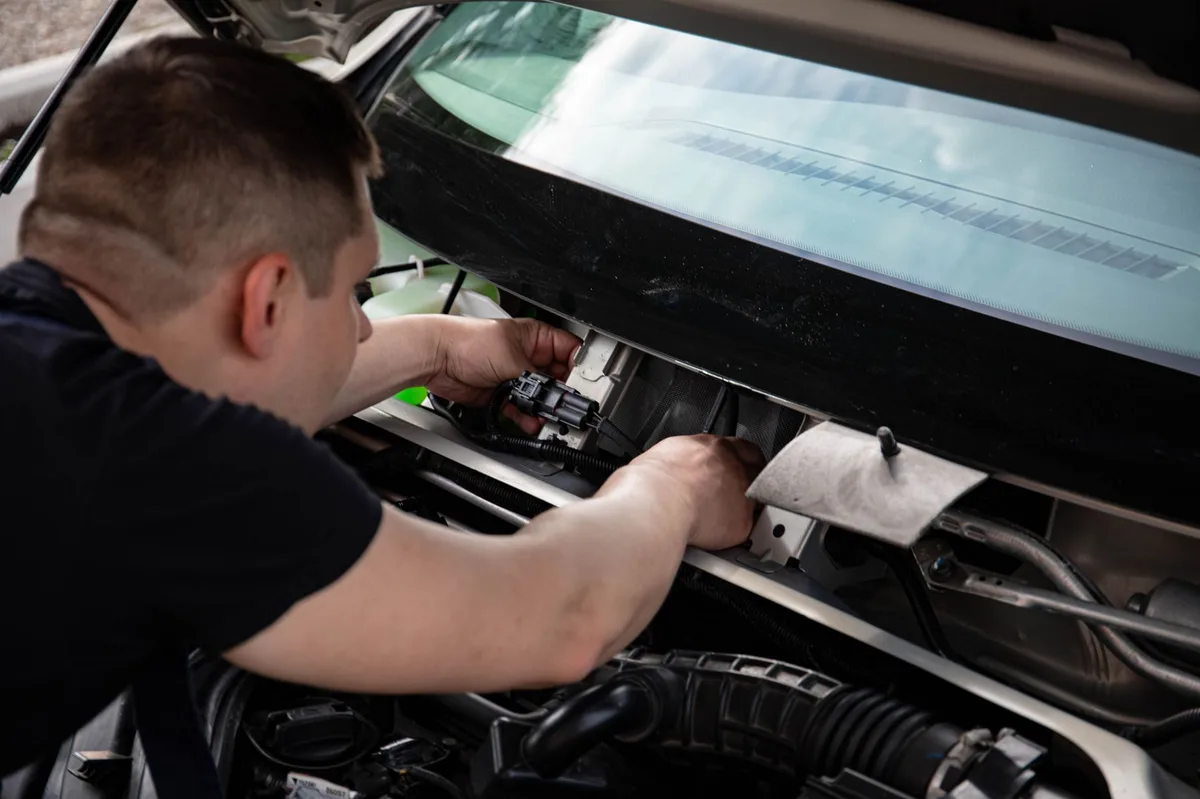
Pexels - Sergey Meshkov · original
In this article
Key Takeaway
Inflation in Canada directly increases auto insurance premiums because it drives up the costs insurers pay for vehicle repairs, replacement parts, medical claims, and labour. When these underlying expenses rise, insurers adjust rates to cover the higher cost of settling claims. The result: most Canadian drivers see premium increases even if their personal driving record stays clean.
What Inflation Means for Auto Insurance
Inflation measures how much the general price level rises over time. When inflation climbs, everyday goods and services cost more. Auto insurance is no exception. Insurers base premiums on the expected cost of future claims, and inflation pushes those costs upward across every component of a claim.
As covered in foundational economic texts such as Principles of Finance, inflation erodes purchasing power and forces businesses to raise prices to maintain their financial position. For auto insurers in Canada, this means adjusting premiums to reflect the new reality of repair shops charging more, parts suppliers raising prices, and medical providers billing higher fees for accident-related injuries.
How Inflation Impacts the Cost of Auto Claims
Auto insurance premiums are built on the insurer’s estimate of how much they will pay in claims. Inflation affects nearly every cost category:
Vehicle Repair Costs. Body shops and mechanics charge more for labour as wages rise with inflation. A fender repair that cost C$800 two years ago may now run C$1,100 for the same work. Collision and comprehensive coverage claims increase correspondingly, and insurers raise premiums to cover the gap.
Parts and Materials. Replacement parts, from bumpers to sensors to windshields, become more expensive during inflationary periods. Modern vehicles rely on complex electronics and sensors for safety features, and these components cost significantly more than older mechanical parts. Supply chain disruptions and currency fluctuations (which affect imported parts) amplify the price increases.
Medical and Accident Benefits. Provinces such as Ontario and Alberta mandate accident benefits coverage, which pays for medical treatment, rehabilitation, and income replacement after a collision. When healthcare provider fees, physiotherapy rates, and prescription drug costs rise with inflation, insurers pay more per claim. These higher costs flow directly into premium calculations.
Total Loss Settlements. Comprehensive coverage pays the actual cash value of your vehicle if it is stolen or written off. When inflation drives up used vehicle prices (as it did during the pandemic and supply shortages), insurers face larger payouts for total loss claims. Premiums for comprehensive coverage adjust upward to reflect the higher replacement values.
According to the Insurance Bureau of Canada, auto insurance claims costs have risen sharply in recent years, driven by inflation in repair costs, medical expenses, and vehicle values (IBC, 2026). The Financial Consumer Agency of Canada notes that insurance is a regulated product in Canada, and provincial regulators review rate filings to ensure they reflect actual costs (FCAC, 2026).
Provincial Differences and Regulatory Oversight
Auto insurance in Canada is regulated provincially, and inflation’s impact varies by jurisdiction. In provinces with private insurance markets (Ontario, Alberta, Atlantic Canada), insurers file rate applications with the provincial regulator (such as FSRA in Ontario or the Alberta Superintendent of Insurance) and must justify premium increases with data on claims costs and inflation.
In provinces with public auto insurance (British Columbia via ICBC, Saskatchewan via SGI, Manitoba via MPI), the public insurer submits rate applications to the provincial regulator or cabinet. These systems are not immune to inflation. ICBC, for example, has filed for rate increases citing higher repair costs and medical expenses tied to inflation.
Read also: How to Lower Your Car Insurance Premium in Canada: A Practical Checklist
Quebec operates a hybrid model: the SAAQ provides public coverage for bodily injury, while private insurers cover property damage. Both segments feel inflationary pressure, though the public bodily injury system adjusts through legislative changes rather than traditional rate filings.
What This Means for Your Premium
Even if your driving record is spotless and you have made no claims, your auto insurance premium may increase during periods of high inflation. Insurers price policies based on the expected cost of all claims across their book of business, not just your individual risk. When the cost to repair vehicles, treat injuries, and replace stolen cars rises economy-wide, premiums rise too.
You may see this reflected in your renewal notice as a rate adjustment or an inflationary surcharge. Insurers in most provinces must file for approval before implementing rate changes, so the increase is not arbitrary. The provincial regulator reviews the filing to confirm the adjustment reflects actual cost increases.
Managing Premium Increases
While you cannot control inflation, you can take steps to manage its impact on your auto insurance costs:
- Review your deductible. Raising your collision or comprehensive deductible (for example, from C$500 to C$1,000) lowers your premium. You pay more out of pocket if you file a claim, but you reduce the premium burden during inflation.
- Bundle coverage. Combining auto and home (or tenant) insurance with the same insurer often triggers a multi-policy discount, offsetting some of the inflationary premium increase.
- Shop around. Rates vary by insurer, and inflation may affect companies differently depending on their claims experience and reserves. Request quotes from multiple insurers (directly or through a licensed broker) to compare rates for identical coverage.
- Ask about usage-based programs. Telematics or usage-based insurance programs track your driving behaviour and may offer discounts if you drive safely and infrequently, helping to offset inflation-driven base rate increases.
The Bottom Line
Inflation in Canada pushes up auto insurance premiums because it increases the cost of every claim component: repairs, parts, medical treatment, and vehicle replacement values. Insurers adjust rates to cover these higher expenses, and provincial regulators review the filings to ensure they are justified. Your premium may rise even if your driving record is clean, because inflation affects the entire insurance pool.
To confirm how inflation is affecting your specific policy and explore options to manage costs, speak with a licensed insurance broker or agent in your province. They can explain the rate changes, review your coverage, and help you find the best value for your situation.
Disclaimer: This article provides general information about how inflation affects auto insurance in Canada. It is not financial, insurance, or legal advice. Auto insurance products, coverage, premiums, and regulations vary by province and territory and by insurer. Premium calculations depend on many individual factors, including your driving record, vehicle, location, and coverage choices. For advice tailored to your personal situation, consult a licensed insurance broker or agent in your province and review your policy wording. Confirm current rates, coverage options, and regulatory requirements with your provincial insurance regulator (such as FSRA in Ontario, the Alberta Insurance Council, or BCFSA in British Columbia) before making coverage decisions.
Sources
- Auto Insurance in Canada (accessed )
- Insurance and Your Rights (accessed )
- Insurance Basics and Consumer Information (accessed )
- Principles of Finance (accessed )
Related articles

Why Your Car Insurance Is Likely Getting More Expensive in Canada in 2026
Discover why Canadian car insurance premiums are rising in 2026, from inflation and auto theft to extreme weather and complex vehicle technology.

Changes Coming to Ontario Auto Insurance in Canada
Discover the key changes coming to Ontario auto insurance in 2026, from rate reforms to digital claims and enhanced coverage options.

How to Lower Your Car Insurance Premium in Canada: A Practical Checklist
Reduce your car insurance costs in Canada with this practical checklist. Learn about discounts, coverage adjustments, and comparison tips.
