Condo Insurance in Canada: What Unit Owners Need Beyond the Building Policy
Your condo corporation's master policy covers the building structure, but not your personal belongings, improvements, or liability. Here's what coverage you need as a Canadian condo owner.

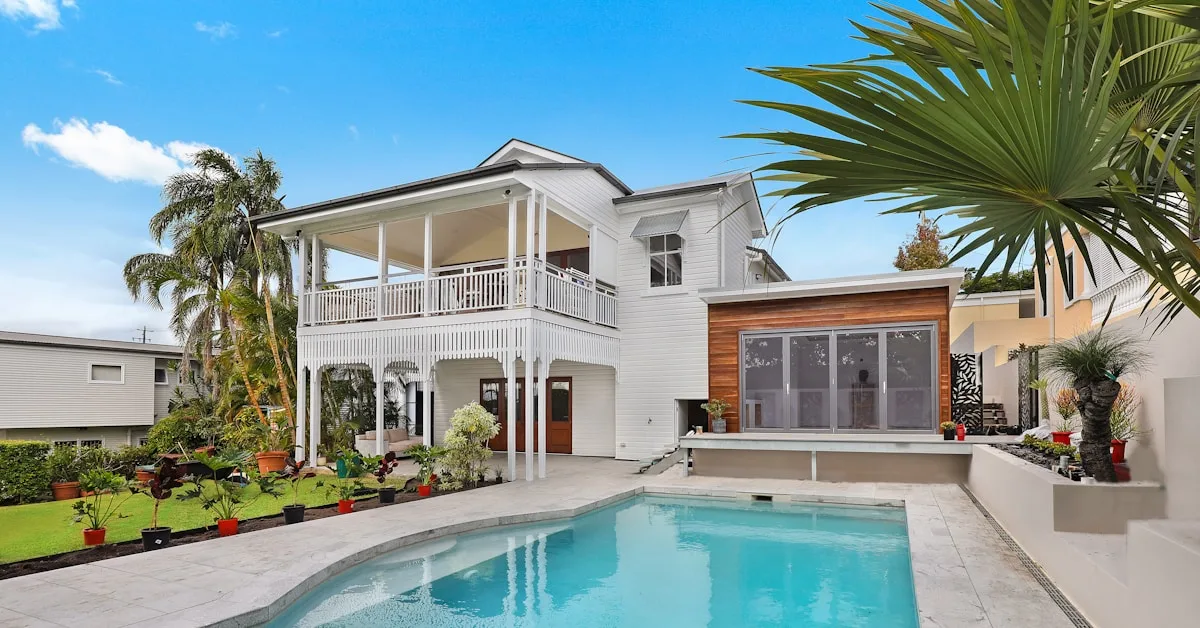
Pexels - Budget Bizar · original
In this article
Key Takeaway
Your condo corporation’s master insurance policy covers the building structure and common areas, but it does not protect your personal belongings, improvements you have made to your unit, or your personal liability. As a condo owner in Canada, you need your own condo insurance policy to cover personal property, liability, improvements and betterments, and your share of loss assessments if the building policy falls short.
Understanding Condo Insurance in Canada
When you own a condominium unit in Canada, your condo corporation carries a master insurance policy that covers the building structure, common areas, and shared property. However, this building policy leaves significant gaps that put your personal assets and finances at risk. According to the Insurance Bureau of Canada, condo unit owners require their own insurance to protect what the master policy does not cover.
Many Canadian condo owners mistakenly believe the building policy is enough, only to discover after a loss that their renovations, belongings, and liability exposure were never insured. This guide explains exactly what coverage you need beyond the master policy and how to secure it.
What You Will Learn
- What your condo corporation’s master policy covers and where it stops
- The four essential coverage types every condo owner needs
- How to calculate the right coverage limits for your unit
- Common mistakes that leave condo owners underinsured
- How to compare policies and find the right insurer
Step 1: Understand Your Condo Corporation’s Master Policy
Your condo corporation’s master insurance policy typically covers the building structure, exterior walls, roof, common areas (hallways, lobbies, elevators), and shared mechanical systems. The policy may follow a “bare walls” approach (covers only the structure) or an “all-in” approach (includes standard fixtures and finishes inside units), depending on your condo corporation’s bylaws.
Request a copy of your condo corporation’s master policy and the corporation’s declaration or bylaws from your property manager. Review the coverage limits, deductibles, and what components of your unit are included. This tells you where the building policy ends and your responsibility begins.
Step 2: Cover Your Personal Property
The master policy does not cover your personal belongings: furniture, clothing, electronics, appliances, or valuables. You need personal property coverage (contents insurance) to replace these items after a fire, theft, water damage, or other insured peril.
Calculate the replacement cost of everything you own inside your unit. Walk through each room, inventory major items, and add up their current replacement value (not what you paid originally). Most Canadian insurers recommend coverage of C$30,000 to C$50,000 as a baseline, but your needs depend on what you own. Choose replacement cost coverage rather than actual cash value so you receive enough to buy new items, not depreciated amounts.
Step 3: Insure Improvements and Betterments
Improvements and betterments are upgrades you have made to your unit beyond the original developer finish: new flooring, kitchen cabinets, countertops, bathroom fixtures, upgraded lighting, or built-in shelving. The master policy does not cover these improvements, as covered in foundational texts such as Principles of Finance.
Add up the cost to replace all improvements you have installed. If you spent C$20,000 on a kitchen renovation, you need at least that amount in improvements and betterments coverage. Keep receipts, photos, and contractor invoices as documentation.
Step 4: Secure Liability Coverage
Liability coverage protects you if someone is injured in your unit or if you accidentally cause damage to another unit or common property (for example, a leak from your dishwasher floods the unit below). The master policy does not cover your personal liability.
Choose liability coverage of at least C$1 million, with C$2 million preferred for additional protection. According to the Financial Consumer Agency of Canada, liability claims can be substantial, and adequate coverage prevents personal financial loss (as of August 2026; verify current recommendations with a licensed broker before deciding).
Step 5: Add Loss Assessment Coverage
If the condo corporation’s master policy limit is exhausted after a major claim (such as a large fire or flood affecting the entire building), the corporation may levy a special assessment against all unit owners to cover the shortfall. Loss assessment coverage pays your share of this assessment, up to your policy limit.
Include loss assessment coverage of C$25,000 to C$50,000 in your condo insurance policy. This coverage is inexpensive and protects you from an unexpected five-figure bill.
Read also: Renters Insurance in Canada: What Tenants Need to Know
Step 6: Shop and Compare Policies
Request quotes from at least three insurers that offer condo insurance in your province. Provide accurate information about your unit size, improvements, and coverage needs. Compare not only premiums but also deductibles, coverage limits, exclusions, and insurer financial strength.
Ask each insurer whether the policy covers overland water and sewer backup, as these perils require separate endorsements in many provinces. Review the policy wording carefully before you buy, and confirm all details with a licensed insurance broker for your personal situation.
Practical Tips for Condo Owners
- Review and update your condo insurance annually as you acquire new belongings or complete renovations.
- Take photos and video of your unit and belongings as documentation for claims.
- Store valuables such as jewellery or electronics in a safe, and consider adding a personal articles floater for items above standard policy limits.
- Coordinate with your condo board to understand how the master policy deductible works; many corporations pass this cost to the unit owner responsible for the claim.
- Bundle your condo insurance with auto insurance from the same insurer to access multi-policy discounts.
Common Mistakes to Avoid
- Assuming the master policy covers everything inside your unit.
- Underinsuring personal property by estimating too low.
- Forgetting to add improvements and betterments coverage after renovations.
- Skipping loss assessment coverage to save a small premium.
- Choosing actual cash value instead of replacement cost coverage.
- Not reading the policy exclusions, particularly for water damage and earthquakes.
Frequently Asked Questions
Do I legally need condo insurance in Canada?
No law requires condo insurance for unit owners, but your mortgage lender will almost certainly require it as a condition of your loan. Even without a mortgage, condo insurance is essential financial protection.
How much does condo insurance cost in Canada?
Premiums vary by province, coverage limits, deductible, and unit location, but most Canadian condo owners pay C$300 to C$600 annually for a standard policy (as of August 2026; verify current rates with a licensed broker before deciding).
Does condo insurance cover water damage?
Standard policies cover sudden and accidental water damage (such as a burst pipe), but overland flooding and sewer backup typically require separate endorsements. Confirm coverage with your insurer and consider adding these endorsements if you are at risk.
What if my condo corporation’s master policy deductible is C$25,000?
Many condo corporations have high deductibles on the master policy and charge the responsible unit owner for the deductible after a claim. Your condo insurance may cover this cost under loss assessment or a deductible reimbursement endorsement; confirm with your broker.
Conclusion
Condo ownership in Canada comes with shared responsibility for insurance. While your condo corporation’s master policy protects the building and common areas, you must secure your own condo insurance to cover personal property, improvements, liability, and loss assessments. Review your condo corporation’s master policy, calculate your coverage needs, and compare policies from multiple insurers to find the right protection for your unit.
Start by requesting a copy of your condo corporation’s insurance summary and obtaining quotes from licensed insurance brokers in your province. A well-designed condo insurance policy protects your investment and gives you financial security.
Financial Disclaimer: This article provides general information about condo insurance in Canada and is not financial, legal, or insurance advice. Insurance products, coverage, exclusions, premiums, and deductibles vary by province, territory, insurer, and individual circumstances. Condo corporation master policies differ by corporation; read your corporation’s policy, declaration, and bylaws carefully. Always confirm current coverage options, limits, and requirements with a licensed insurance broker or agent in your province and consult your condo corporation’s property manager before making insurance decisions. Provincial insurance regulators (such as FSRA in Ontario, the AMF in Quebec, and others) provide additional consumer resources; visit their websites or contact them directly for regulatory guidance specific to your province.
Sources
- Home Insurance (accessed )
- Insurance (accessed )
- Principles of Finance (accessed )
- Insurance Comparison (accessed )
Related articles
Home Insurance in Canada: What Is and Is Not Covered
Learn what home insurance covers in Canada, from dwelling and personal property to liability, plus common exclusions like flood and earthquake damage.

What Tenants Need to Know About Renters Insurance in Canada
Learn what Canadian tenants need to know about renters insurance: coverage types, costs, exclusions, and how to choose the right policy.

What Is and Is Not Covered by Home Insurance in Canada: A Complete Guide
Discover what home insurance covers and excludes in Canada. Learn about dwelling, personal property, liability, and optional coverage you may need.
