Do I Need Flood Insurance in Canada?
Most Canadian home insurance policies exclude overland flooding. Learn what flood insurance covers, who needs it, and how to assess your property's risk.
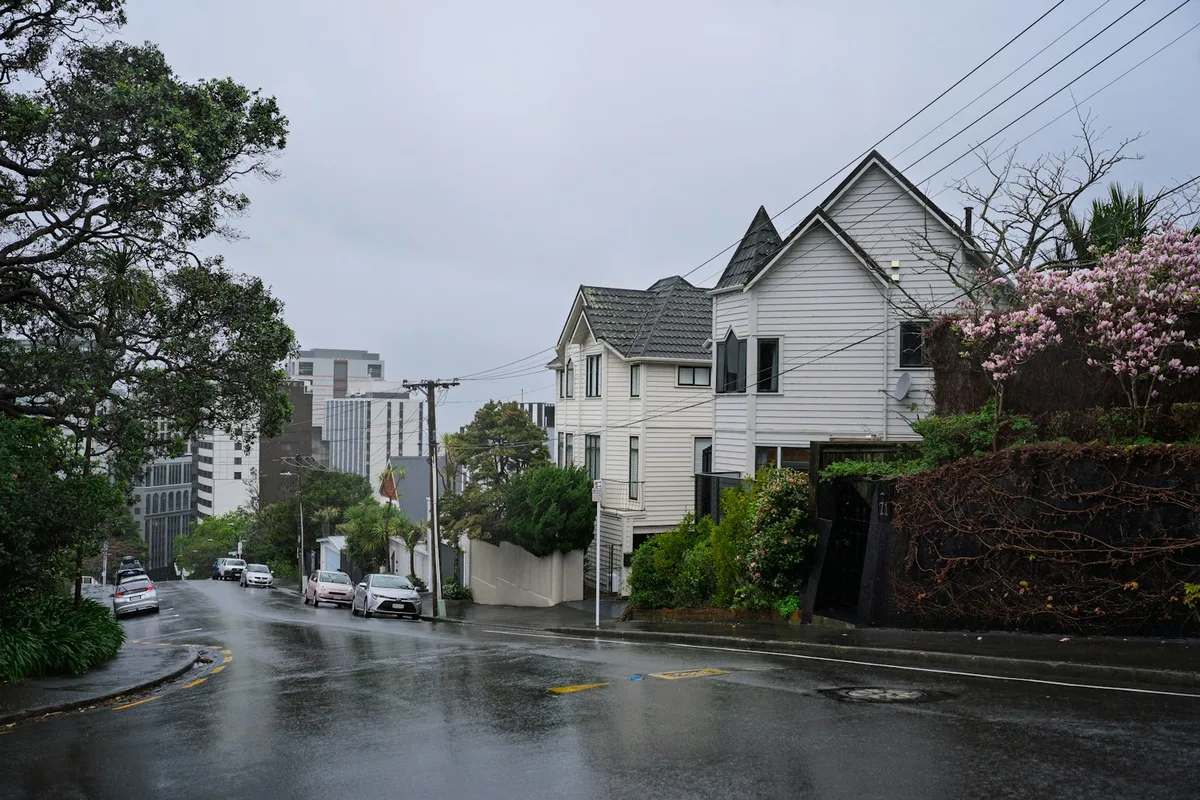
Unsplash - Matthew Larsen · original
In this article
Key Takeaway
Most standard home insurance policies in Canada exclude overland flooding, the type of water damage that occurs when rivers overflow, heavy rain accumulates, or snowmelt rushes across your property. Flood insurance (overland water coverage) is a separate endorsement you add to your home policy. Whether you need it depends on your property’s flood risk (proximity to water, elevation, flood plain designation, local drainage), your province’s climate patterns, and your ability to absorb a potential loss of tens of thousands of dollars out of pocket.
The Coverage Gap Most Canadians Miss
Many Canadian homeowners believe their standard home insurance policy protects them from all water damage, but that assumption can cost you everything after a major flood. According to the Insurance Bureau of Canada, standard home insurance policies exclude damage from overland flooding, the single most common and costly natural disaster in Canada (IBC, 2024). Overland flooding occurs when water from rain, snowmelt, or overflowing bodies of water enters your home from ground level. Without a specific flood insurance endorsement, you pay the entire repair and replacement cost yourself.
Flood insurance, formally called overland water coverage, only became widely available in Canada around 2015. Before that, insurers considered flood risk uninsurable in most markets. Climate change, better risk modelling, and growing demand pushed the industry to offer the coverage, but it remains optional and not available to all properties.
What Flood Insurance Covers (and What It Does Not)
Flood insurance covers damage to your dwelling and personal property when water enters your home from outside, across the surface of the ground. Covered events typically include river or lake overflow, rapid snowmelt, heavy rainfall that overwhelms drainage systems, and storm surge in coastal areas. The coverage pays to repair structural damage, replace flooring and drywall, and reimburse you for damaged belongings, up to your policy limits (as of October 2026; verify current terms with a licensed broker or the insurer before deciding).
Flood insurance does NOT cover:
- Sewer backup: water that enters through drains, toilets, or sump pumps because municipal sewers or your home’s plumbing failed. Sewer backup coverage is a separate endorsement on your home policy and is distinct from overland water coverage. You may need both.
- Groundwater seepage: water that seeps through your foundation or basement walls over time due to a high water table or poor drainage. This is generally excluded.
- Coastal erosion or land movement: damage from shifting soil, landslides, or shoreline erosion, even if triggered by water.
- Neglect or poor maintenance: if your insurer determines you failed to maintain gutters, grading, or drainage and that contributed to the loss, your claim may be denied or reduced.
Read your policy wording carefully. Deductibles for flood coverage are often higher than your standard home insurance deductible (commonly C$2,500 to C$10,000 or a percentage of your dwelling coverage), and coverage limits may be lower than your total dwelling limit.
Who Needs Flood Insurance in Canada
Not every property faces the same flood risk, and flood insurance premiums reflect that. You likely need flood insurance if:
- You live on a flood plain or near water: properties within a designated flood zone, near rivers, lakes, or the coast, or in low-lying areas face the highest risk. Municipalities and provincial flood plain maps identify these zones; check with your local planning department or the Insurance Bureau of Canada for flood risk maps.
- Your property has flooded before or neighbours have: past flooding is the strongest predictor of future flooding. If your street or area has a history of water accumulation during heavy rain or spring melt, your risk is elevated.
- You are in a high-precipitation or snowmelt region: provinces and territories with heavy seasonal rain (British Columbia’s Lower Mainland during atmospheric rivers, Atlantic Canada during hurricane remnants) or rapid snowmelt (Alberta, southern Ontario, Quebec along the St. Lawrence and Ottawa rivers) see more frequent overland flooding.
- Your home is downhill or in a valley: water flows to the lowest point. Even if you are not near a body of water, poor grading or valley topography can channel runoff to your property.
- You cannot afford to self-insure a C$50,000+ loss: flood damage routinely costs tens of thousands of dollars. If losing that amount would devastate your finances, flood insurance transfers that risk to the insurer for a manageable annual premium.
Climate change is increasing flood frequency and severity across Canada. The Financial Consumer Agency of Canada notes that extreme weather events, including flooding, are becoming more common, raising the importance of evaluating your coverage (FCAC, 2024).
Assessing Your Property’s Flood Risk
Start with objective data. The Insurance Bureau of Canada offers flood risk assessment tools and maps at ibc.ca, and many municipalities publish flood plain maps and drainage studies on their websites. Enter your address to see if you fall within a designated flood zone or high-risk area.
Next, consider your property’s physical characteristics. Walk your lot during or just after heavy rain and observe where water flows. Does it pool near your foundation? Does runoff from neighbouring properties or the street flow toward your home? Check your basement for past water stains, even minor ones. Ask neighbours about their experiences with water in basements or yards.
Finally, factor in local infrastructure. Older neighbourhoods with combined storm and sanitary sewers are more prone to backups during heavy rain, which can lead to both sewer backup and surface flooding. New subdivisions with modern storm management may have lower risk, but construction can alter drainage patterns temporarily.
Read also: Weighing Flood Insurance in Canada: Key Factors for Homeowners
If your risk assessment suggests moderate to high exposure, request a flood insurance quote from your insurer or broker. Premiums vary widely by location and risk, from as low as C$200 per year for low-risk properties to over C$1,000 annually for higher-risk zones (as of October 2026; verify current rates with a licensed broker).
Cost, Availability, and Limits
Flood insurance is not available to all properties. Insurers exclude homes in extreme high-risk zones, areas with a recent history of repeated flooding, or properties that fail to meet minimum protection standards (such as adequate grading or sump pump installation). If you cannot obtain private flood insurance, you bear the full cost of any flood damage.
Where coverage is available, expect:
- Higher deductibles: commonly C$2,500 to C$10,000, or 5 percent of your dwelling coverage, whichever is greater.
- Coverage limits: your overland water limit may be lower than your total dwelling limit. A C$500,000 home might have a C$250,000 flood coverage cap. Confirm your limits and ensure they are sufficient to rebuild your home if necessary.
- Premium variability: low-risk properties pay modest premiums, but high-risk properties may face premiums that approach or exceed the cost of self-funding mitigation measures like improved grading, sump pumps, or backwater valves.
Some insurers offer discounts for flood mitigation improvements. Installing a sump pump with battery backup, grading your lot away from the foundation, or installing a backwater valve on your sewer line can reduce your premium or make coverage available where it otherwise would not be.
Making the Decision
The decision to purchase flood insurance comes down to risk tolerance and financial capacity. If your property is in a low-risk area, you have strong drainage and grading, and you have sufficient savings to cover a worst-case flood repair (realistically C$30,000 to C$100,000+), you might choose to self-insure. If any of those conditions do not hold, flood insurance provides essential financial protection.
Remember that coverage, exclusions, and availability vary by province, territory, and insurer. Read the policy wording carefully, confirm what is covered and what is not, and verify requirements with a licensed insurance broker and your provincial regulator (such as FSRA in Ontario, the AMF in Quebec, or BCFSA in British Columbia) for your personal situation. As foundational public health texts like Newsholme’s Hygiene: A Manual of Personal and Public Health remind us, prevention and preparation are always more effective than crisis response.
Conclusion
Flood insurance fills a critical gap in Canadian home insurance coverage. Standard policies exclude overland flooding, leaving you responsible for tens of thousands of dollars in damage if water enters your home from the surface. Assess your property’s flood risk using local flood maps, topography, drainage patterns, and climate trends, then weigh the cost of coverage against your ability to absorb a major loss. For most properties with moderate to high flood exposure, flood insurance is a sound investment that protects your home and financial security.
Confirm current coverage options, limits, deductibles, and premiums with a licensed insurance broker in your province or territory before deciding.
Financial Disclaimer: This article provides general information only and is not financial, insurance, legal, or tax advice. Insurance products, coverage, exclusions, premiums, deductibles, and availability vary by province, territory, and insurer. Flood risk, coverage limits, and eligibility change over time. Confirm all details with a licensed insurance broker or agent and your provincial insurance regulator for your personal situation before purchasing or declining coverage. Always read the policy wording to understand what is covered and what is excluded.
Sources
- Home Insurance (accessed )
- Insurance (accessed )
- Climate Change and Insurance (accessed )
- Hygiene: A Manual of Personal and Public Health (accessed )
Related articles
How Overland Water and Sewer Backup Endorsements Work in Canada
Understand overland water and sewer backup endorsements in Canada. Learn what they cover, costs, limits, and how to add them to your home policy.
Weighing Flood Insurance in Canada: Key Factors for Homeowners
Discover 6 key factors Canadian homeowners should consider when deciding whether to purchase overland flood insurance coverage.
Should You Add Flood or Sewer Backup Coverage to Your Home Insurance in Canada?
Standard home insurance in Canada excludes flood and sewer backup. Learn when to add this optional coverage, what it costs, and what it covers.
