Weighing Flood Insurance in Canada: Key Factors for Homeowners
As severe weather risks increase across Canada, homeowners face important decisions about overland water and flood coverage.
Pexels - Helena Jankovičová Kováčová · original
In this article
Key Takeaway
Overland flood insurance in Canada covers water damage from sources like heavy rain, rapid snowmelt, and overflowing rivers, a coverage not included in standard home insurance policies. With severe weather events becoming more frequent across Canadian provinces, homeowners should assess their property’s flood risk, understand coverage limits and deductibles (often C$5,000 to C$25,000), compare the annual premium against potential losses, and verify availability in their area, as some high-risk zones remain uninsurable through private markets.
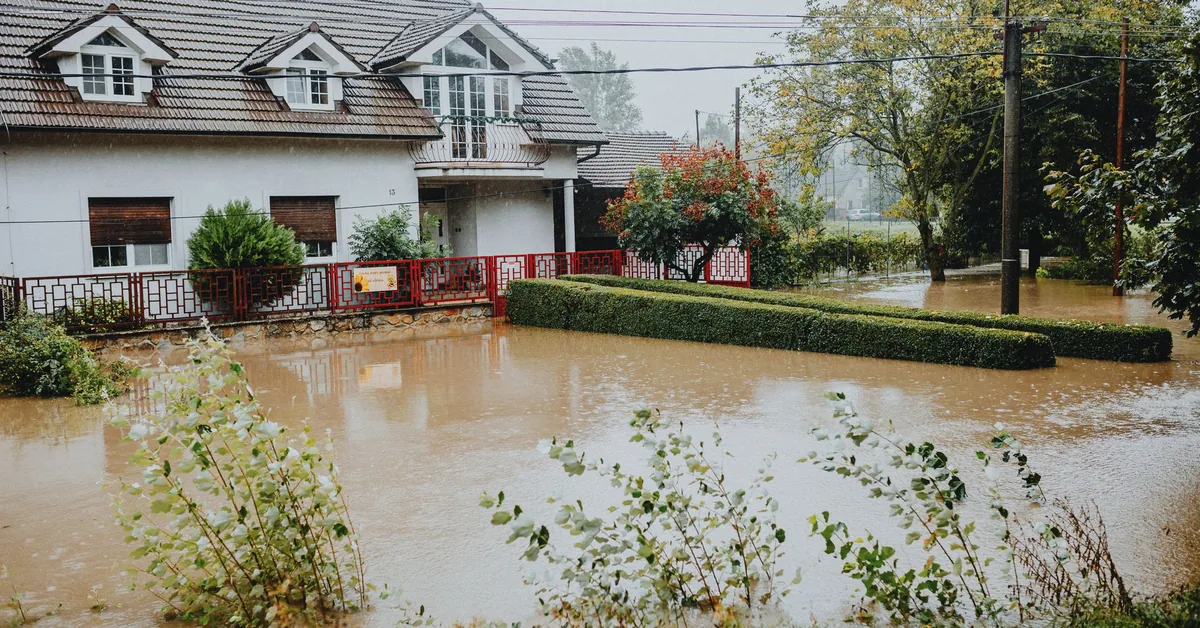
As spring flooding, summer storms, and rapid snowmelt continue to affect communities across Canada, more homeowners are asking whether overland water and flood insurance is worth the investment. Unlike traditional home insurance policies that cover sudden internal water damage (such as a burst pipe), overland flood coverage is a separate, relatively recent addition to the Canadian insurance market. Here are six key factors to consider when weighing this coverage for your home.
1. Understanding What Overland Flood Insurance Actually Covers
Overland flood insurance, also called overland water coverage, protects your home and belongings against water that enters from outside the property. This includes flooding from heavy rainfall, rapid snowmelt, overflowing rivers and lakes, and storm surges. According to the Insurance Bureau of Canada, overland flood insurance became widely available in Canada only after 2015, following years of severe flood events across multiple provinces (IBC, 2024).
Standard home insurance policies in Canada do NOT cover overland flooding. They typically cover water damage from internal sources (a burst washing machine hose, a leaking water heater, a ruptured pipe) and may cover sewer backup if you purchase that optional endorsement. Overland flood coverage is a separate endorsement you must add to your home insurance policy, and it comes with its own premium, coverage limit, and deductible. If your home is damaged by water entering from outside during a severe rainstorm or spring melt, you will have no coverage unless you specifically purchased overland flood insurance.
2. Assessing Your Property’s Actual Flood Risk
Not all Canadian homes face the same flood risk. Your property’s elevation, proximity to water bodies, soil drainage, local topography, and municipal stormwater infrastructure all influence your exposure. Homes in low-lying areas, near rivers or lakes, or in regions with poor drainage face higher risk. Provinces like Manitoba, Quebec, New Brunswick, and Alberta have experienced significant flood events in recent years, but flood risk exists across Canada.
Before purchasing coverage, assess your home’s specific risk. Check flood risk maps available from your municipality, provincial government, or the federal government’s flood mapping resources. Many insurers use detailed flood models to determine eligibility and pricing. If your home is in a designated high-risk flood zone, you may face higher premiums or find that no insurer will offer you coverage at all. Some very high-risk properties remain uninsurable through the private market, though government disaster assistance programs may provide limited help after a declared disaster.
The Financial Consumer Agency of Canada recommends that homeowners review their coverage needs based on their specific geographic and property characteristics (FCAC, 2024).
3. Coverage Limits and Deductibles Can Be Substantial
Overland flood insurance in Canada typically comes with coverage limits and deductibles that differ significantly from your main home insurance policy. Coverage limits commonly range from C$100,000 to C$500,000 or more, depending on the insurer and your property’s risk profile. Deductibles are often much higher than standard home insurance deductibles, frequently ranging from C$5,000 to C$25,000 or even higher for properties in moderate to high-risk zones.
A high deductible means you will pay the first several thousand dollars of any claim out of pocket before your insurance coverage begins. This structure is designed to discourage small claims and keep premiums lower, but it also means that minor basement flooding from a heavy rainstorm may not trigger any insurance payout if the damage is less than your deductible. Evaluate whether you can afford the deductible in the event of a flood, and compare the coverage limit to your home’s replacement cost and the value of your possessions.
4. Premium Costs Vary Widely by Risk and Location
Annual premiums for overland flood insurance in Canada can range from a few hundred dollars for low-risk properties to several thousand dollars for homes in moderate or high-risk areas. Insurers calculate premiums based on flood risk models, property characteristics (basement, finished lower level, proximity to water), your home’s age and construction, and your claims history. Homes with finished basements in flood-prone areas will face higher premiums than bungalows on elevated land.
When weighing the cost, compare the annual premium to the potential financial loss from a flood. If a flood could cause C$50,000 in damage to your basement, belongings, and structure, paying C$800 per year for coverage may be worthwhile. However, if your home is at very low risk and the premium is C$2,000 annually, you may decide that self-insuring (setting aside savings for potential damage) makes more financial sense. Keep in mind that flood damage can be extensive, covering not just structural repairs but also replacement of furnaces, electrical systems, flooring, drywall, and personal property stored in basements.
Read also: What Canadian Homeowners Should Know About Flood Insurance in Canada
5. Coverage Availability and Eligibility Restrictions
Overland flood insurance is not available to every Canadian homeowner. Insurers assess eligibility based on flood risk, and properties in very high-risk zones may be declined coverage altogether. Some insurers offer limited coverage with high deductibles and caps in moderate-risk areas, while others may not write policies in certain flood-prone municipalities at all.
If you are declined coverage by one insurer, shop around. Different insurers use different risk models and underwriting criteria. Working with a licensed insurance broker who has access to multiple insurers can help you find coverage if it exists for your property. If no private insurer will cover your home, check whether your province offers any government-backed flood insurance or disaster assistance programs, though these are limited and often apply only after a declared emergency.
Consult with a licensed insurance broker in your province and verify current program availability with your provincial insurance regulator (for example, FSRA in Ontario, the AMF in Quebec, BCFSA in British Columbia).
6. Weighing the Coverage Against Other Risk-Reduction Measures
Flood insurance is one tool for managing flood risk, but it is not the only one. Homeowners can reduce their exposure through property improvements: installing a sump pump with battery backup, grading the property to direct water away from the foundation, sealing basement walls, installing backwater valves to prevent sewer backup, and moving valuable belongings out of basements and lower levels.
Some of these measures may reduce your flood risk enough to lower your insurance premium or improve your eligibility for coverage. Insurers may offer discounts for homes with sump pumps, backwater valves, or other flood-mitigation features. Before purchasing coverage, ask your insurer or broker whether any improvements to your property would reduce your premium, and weigh the cost of those improvements against the long-term savings and reduced risk.
Combining insurance coverage with proactive risk reduction provides the most comprehensive protection. Even with insurance, a flood is disruptive, and avoiding one altogether is always preferable to filing a claim.
Making the Decision for Your Home
Deciding whether to purchase overland flood insurance in Canada depends on your property’s specific risk, your financial capacity to absorb a loss, the cost of coverage, and your personal risk tolerance. Homes in flood-prone areas with high potential losses should strongly consider coverage, especially if the premium is affordable relative to the risk. Homes at very low risk may find that the premium does not justify the coverage, particularly if deductibles are high and the likelihood of a claim is minimal.
Review your home’s flood risk using available mapping tools, obtain quotes from multiple insurers or through a licensed broker, compare coverage limits and deductibles, and assess your ability to pay out of pocket for flood damage. Flood insurance is a relatively new product in Canada, and its availability and terms continue to evolve as climate patterns change and insurers refine their risk models.
Disclaimer
This article provides general information only and is not insurance, financial, or legal advice. Overland flood insurance coverage, availability, premiums, deductibles, and exclusions vary significantly by province, insurer, property characteristics, and individual circumstances. Flood risk, insurance products, and government programs change over time. Confirm current coverage options, eligibility, pricing, and terms with a licensed insurance broker or agent in your province before making any decisions. For questions about flood risk mapping, municipal stormwater programs, or disaster assistance, consult your local government and provincial emergency management agency. Read the full policy wording and confirm coverage details with your insurer before purchasing.
Sources
- Overland Flood Insurance (accessed )
- Insurance Products and Services (accessed )
- Office of the Superintendent of Financial Institutions (accessed )
Related articles
Should You Add Flood or Sewer Backup Coverage to Your Home Insurance in Canada?
Standard home insurance in Canada excludes flood and sewer backup. Learn when to add this optional coverage, what it costs, and what it covers.
Flood Insurance in Canada: What Homeowners Should Know Before Storm Season
What Canadian homeowners should know about flood insurance, overland water coverage, and policy checks before storm season starts.
Should You Buy Flood Insurance Before Disaster Season in Canada
Learn when to buy flood insurance in Canada, what overland water coverage protects, and why purchasing before disaster season matters.
