Should You Buy Flood Insurance Before Disaster Season in Canada
Canadian homeowners face increasing flood risk from spring melt, heavy rain, and coastal storms. Here's when to buy overland flood coverage and why timing matters.
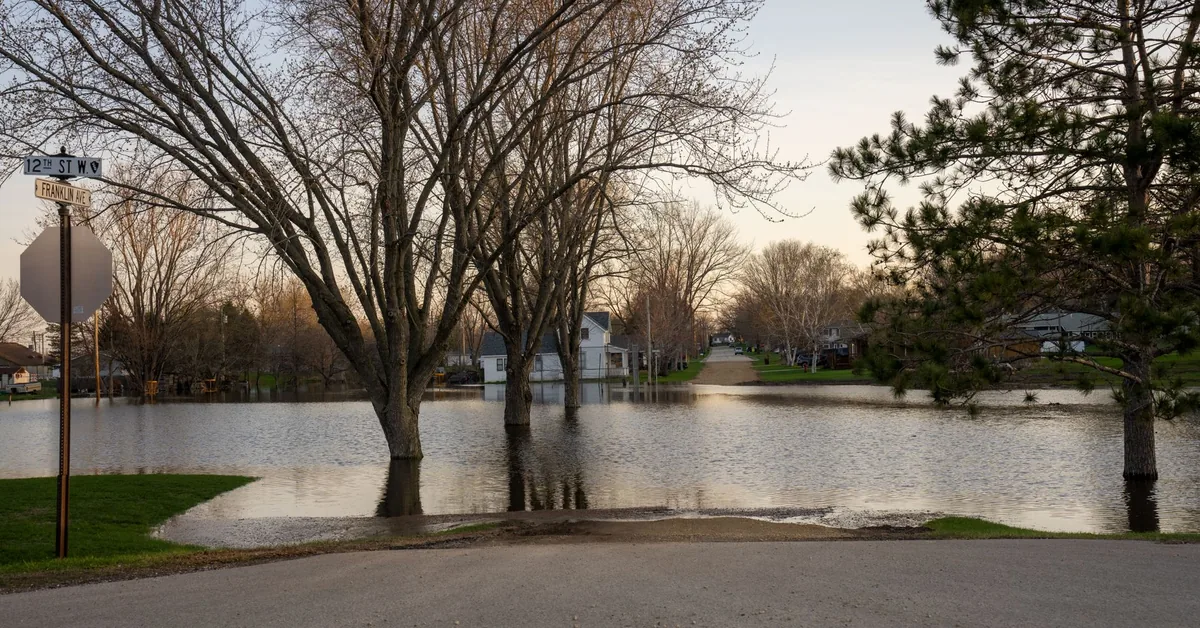
Pexels - Tom Fisk · original
In this article
Key Takeaway
Yes, you should purchase flood insurance well before disaster season begins. Overland flood coverage in Canada is not automatic in standard home insurance policies, and most insurers impose a 30-day waiting period before coverage takes effect. Buying before spring melt, heavy rain season, or coastal storm periods ensures you are protected when flooding is most likely to occur.
What Flood Insurance Covers in Canada
Overland flood insurance, also called overland water coverage, protects your home and belongings when water from outside your property enters your home. This includes flooding from rivers, lakes, rapid snowmelt, and heavy rain that overwhelms drainage systems.
Standard home insurance policies in Canada typically exclude overland flooding. According to the Insurance Bureau of Canada, overland water coverage became widely available only in 2015, and homeowners must add it as a separate endorsement to their home insurance policy (IBC, 2024).
Coverage typically includes damage to your dwelling, personal property, and in some cases temporary living expenses if your home becomes uninhabitable. Exclusions often include damage from sewer backup (which requires separate coverage), groundwater seepage, and flooding caused by poor property maintenance.
Why Timing Matters
Most Canadian insurers enforce a waiting period, usually 30 days, between when you purchase overland flood coverage and when it takes effect. This means you cannot buy flood insurance the day a storm is forecasted and expect immediate protection.
Flood risk in Canada varies by region and season. Spring brings snowmelt flooding in central and prairie provinces, while coastal British Columbia faces storm surge and heavy rain from fall through winter. Ontario and Quebec experience both spring melt and summer flash flooding from severe thunderstorms.
Purchasing coverage during the low-risk winter months (or early spring before melt begins) ensures you are protected when flood season arrives. Waiting until a flood watch is issued often means it is too late to secure coverage for that event.
Who Needs Flood Insurance
Properties near rivers, lakes, or coastlines face the highest flood risk, but flooding can occur anywhere. Urban areas with aging drainage infrastructure, properties in low-lying areas, and homes built on flood plains are all vulnerable.
Read also: Weighing Flood Insurance in Canada: Key Factors for Homeowners
The Financial Consumer Agency of Canada recommends that homeowners assess their flood risk by checking flood maps available through municipal and provincial governments, and by consulting with a licensed insurance broker about their specific property (FCAC, 2024).
Even if your property has never flooded, climate patterns are changing. Severe weather events are becoming more frequent, and historical flood data may not predict future risk accurately.
What to Do Now
Contact a licensed insurance broker to review your current home insurance policy and confirm whether overland flood coverage is included. If not, request a quote for adding the endorsement. Ask about coverage limits, deductibles, and any exclusions specific to your property location.
If you live in a higher-risk area and cannot obtain private flood insurance, ask your broker about alternative programs or government-backed options that may be available in your province.
Review your coverage annually before flood season begins in your region, and keep documentation of your home’s contents and condition in a safe location outside your home in case you need to file a claim.
Disclaimer: This article provides general information about flood insurance in Canada and is not personal insurance advice. Overland flood coverage availability, terms, exclusions, and pricing vary by province, insurer, and property characteristics. Always read the full policy wording and confirm current coverage options with a licensed insurance broker in your province. For specific recommendations about your property’s flood risk and insurance needs, consult with a licensed broker and check flood risk maps provided by your municipal or provincial government.
Sources
- Home Insurance (accessed )
- Financial Consumer Agency of Canada (accessed )
- Office of the Superintendent of Financial Institutions (accessed )
Related articles
Flood Insurance in Canada: What Homeowners Should Know Before Storm Season
What Canadian homeowners should know about flood insurance, overland water coverage, and policy checks before storm season starts.
Weighing Flood Insurance in Canada: Key Factors for Homeowners
Discover 6 key factors Canadian homeowners should consider when deciding whether to purchase overland flood insurance coverage.
What Canadian Homeowners Should Know About Flood Insurance in Canada
Standard home insurance in Canada excludes overland flooding. Learn what overland water coverage protects and how to add it to your policy.
