Flood Insurance in Canada: What Homeowners Should Know Before Storm Season
Canada does not have a U.S.-style federal flood insurance policy for homeowners. Most Canadians need to confirm whether overland water, sewer backup, and related flood damage are covered by their own home insurance policy.
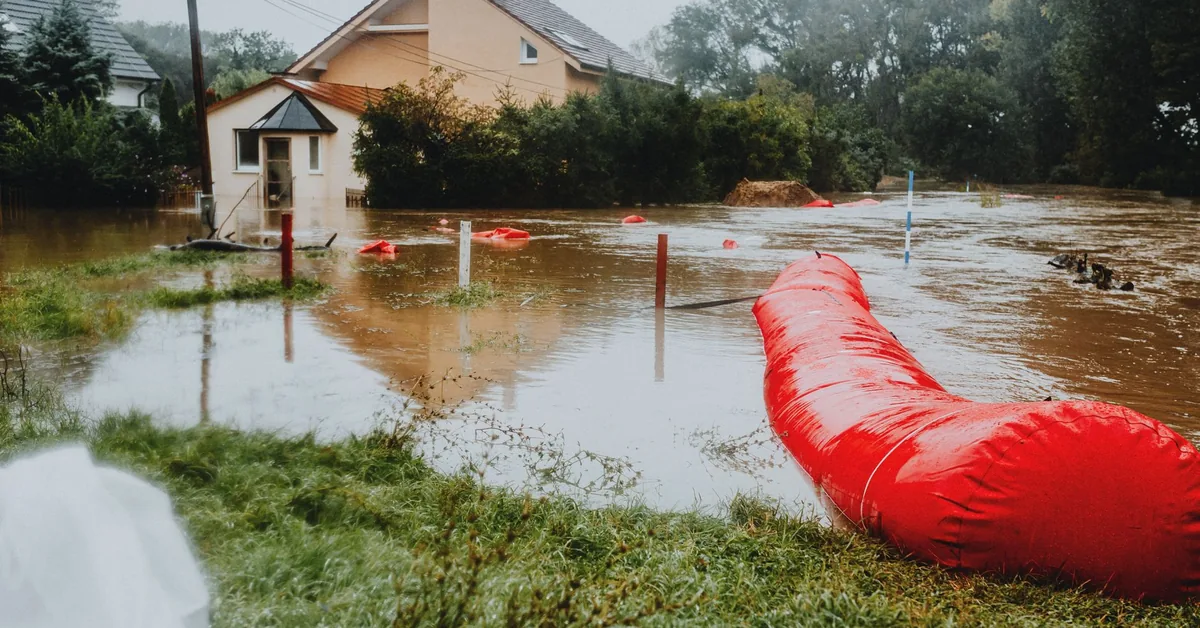
Pexels - Helena Jankovičová Kováčová · original
In this article
Canadian homeowners should not read U.S. flood insurance headlines as if they apply directly here. Canada does not have the same federal flood insurance system as the United States, and most residential flood protection is handled through private home insurance endorsements, disaster assistance rules, and province-specific emergency management. Before storm season, confirm whether your policy covers overland water, sewer backup, storm surge, seepage, and cleanup costs.
Why U.S. Flood Insurance Headlines Matter, But Only Indirectly
The Florida story is about possible changes to the U.S. National Flood Insurance Program. Canada has a different system, so the headline is a reminder to review coverage, not a direct rule change for Canadians.
In Canada, home insurance is sold by private insurers and regulated mainly by provinces and territories. The Insurance Bureau of Canada explains home insurance as protection for insured property losses, but the details depend on the policy wording, exclusions, limits, and endorsements you buy (IBC, 2026). Flood is one of the places where that wording matters most.
Does Canada Have Federal Flood Insurance?
Not in the same consumer-facing way. Canada has federal involvement in flood mapping, climate risk, disaster assistance, and financial consumer protection, but homeowners generally do not buy one standard federal flood policy.
Environment and Climate Change Canada says flooding affects Canadians across the country, and that all levels of government play roles in risk mitigation, with provinces and territories responsible for many natural resource and water management functions (Government of Canada, 2026). That matters because flood risk is national, while insurance rules and emergency programs are local.
If Ottawa creates or changes a national flood insurance framework in the future, homeowners will still need to compare it with their current private coverage and provincial disaster assistance rules.
What Coverage Should Canadian Homeowners Check?
Start with these water damage categories:
- Overland water: rain, river overflow, surface runoff, or rapid snowmelt entering the home.
- Sewer backup: water or sewage backing up through drains, toilets, or sewer lines.
- Seepage: water entering slowly through cracks, foundations, windows, or porous materials.
- Storm surge: coastal flooding caused by storms and abnormal water levels.
- Sudden indoor escape of water: a burst pipe or appliance leak, usually treated differently from flood.
Read also: Should You Buy Flood Insurance Before Disaster Season in Canada
Many Canadian policies cover some sudden internal water losses, but that does not mean they cover overland flooding. Overland water and sewer backup are often separate endorsements, as of June 2026; verify current terms with a licensed broker or the insurer before deciding. High-risk properties may face higher premiums, larger deductibles, lower limits, or declined coverage.
What To Ask Before Storm Season
Ask your insurer or licensed broker these questions now:
- Does my policy include overland water coverage, or is it optional?
- Are sewer backup and overland water separate endorsements?
- What water damage exclusions apply to my address?
- What deductible applies to flood or water claims?
- Are basements, finished rooms, detached structures, and cleanup costs covered?
- Does the policy exclude seepage, groundwater, or storm surge?
- Would a sump pump, backwater valve, grading improvement, or alarm affect eligibility or premiums?
The Financial Consumer Agency of Canada says it protects the rights and interests of consumers of financial products and services and supports financial literacy (FCAC, 2026). For flood insurance, that means reading the full policy wording, not relying only on a quote page or renewal summary.
Bottom Line
Canadians should treat U.S. flood insurance news as a prompt to review their own coverage, not as evidence that their Canadian policy has changed. Your protection comes from the policy in force on the date of loss, including endorsements, exclusions, limits, deductibles, and provincial rules.
If your home is near a river, lake, coast, ravine, low-lying road, or neighbourhood with repeated sewer backup, review flood coverage before heavy rain season. Do the same before buying a home, finishing a basement, renewing a mortgage, or switching insurers.
Insurance information in this article is general information only, not personal financial, insurance, legal, or tax advice. Insurance products, coverage, exclusions, premiums, and rules vary by province and territory and by insurer. Read your policy wording carefully, confirm details with a licensed insurance broker or agent, and contact your provincial or territorial insurance regulator for guidance on your personal situation.
Sources
- Home Insurance (accessed )
- Floods (accessed )
- Financial Consumer Agency of Canada (accessed )
Related articles
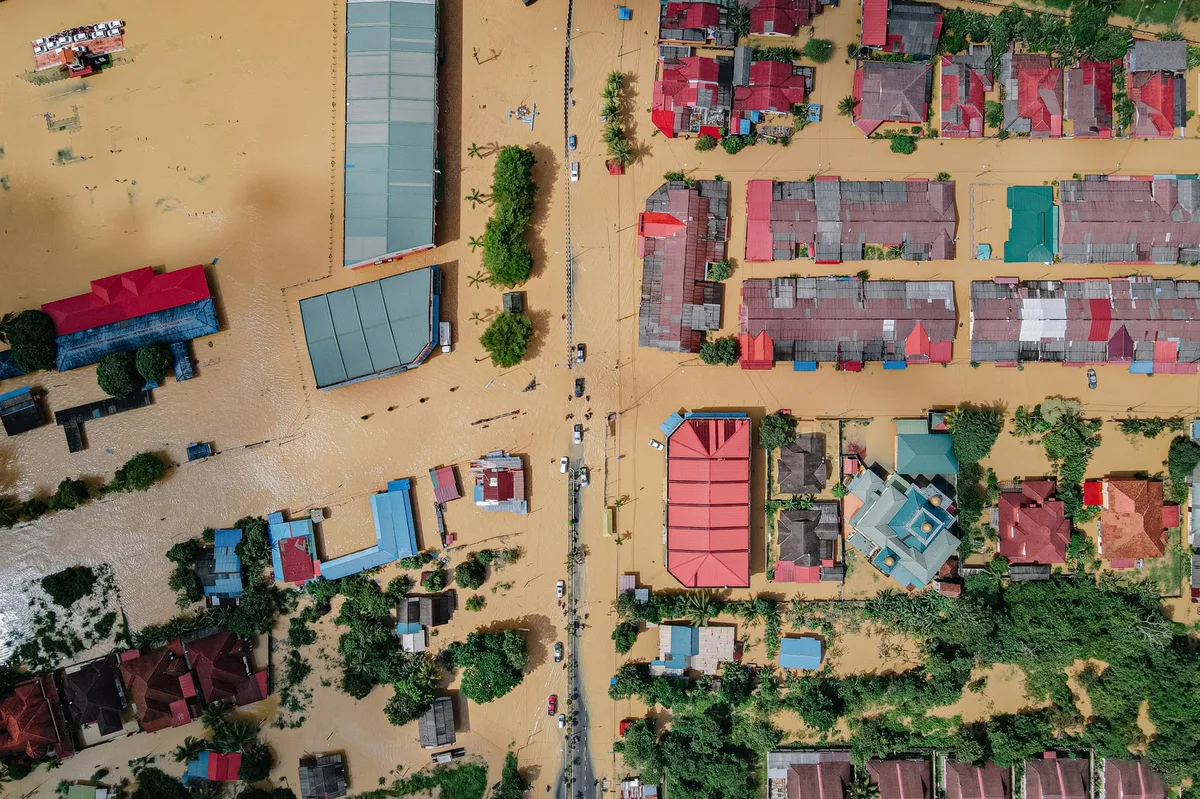
Flood Insurance in Canada: What Home Policies Cover and What They Don't
Learn what standard home insurance covers for flood damage in Canada and when you need optional overland water coverage to protect your property.
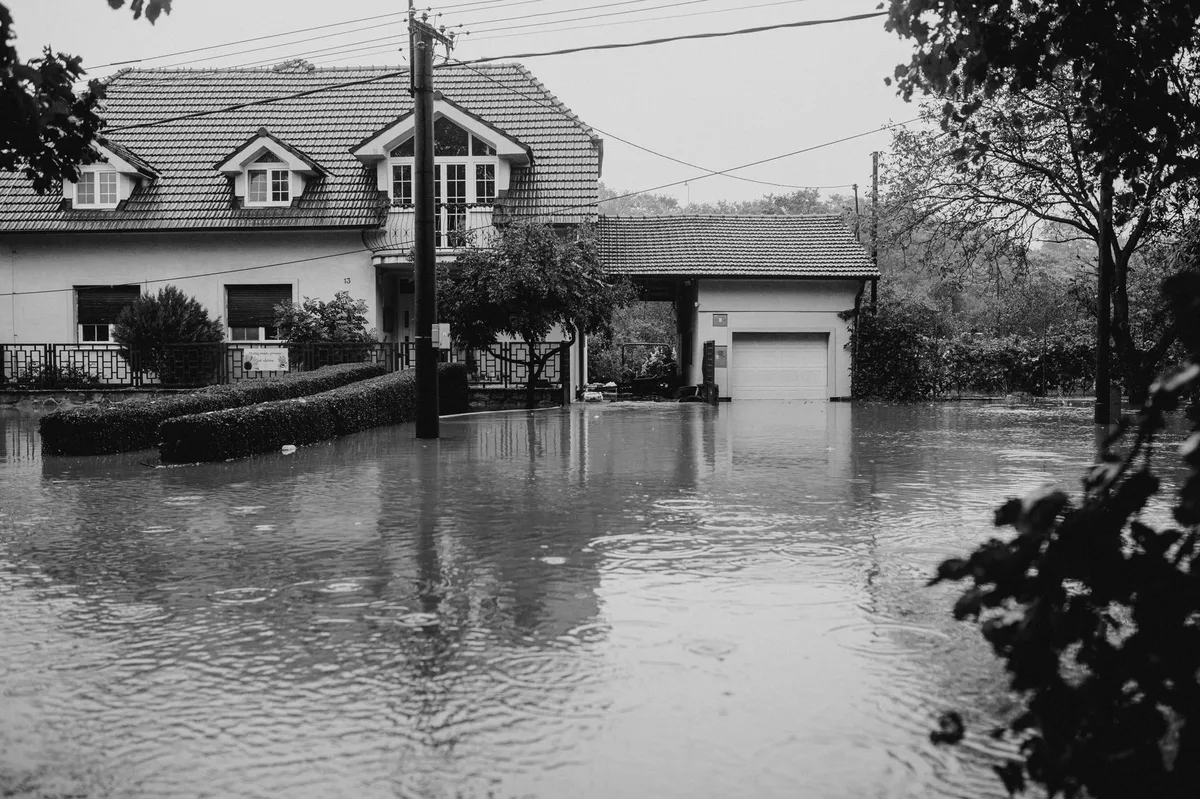
Should You Add Flood or Sewer Backup Coverage to Your Home Insurance in Canada?
Standard home insurance in Canada excludes flood and sewer backup. Learn when to add this optional coverage, what it costs, and what it covers.
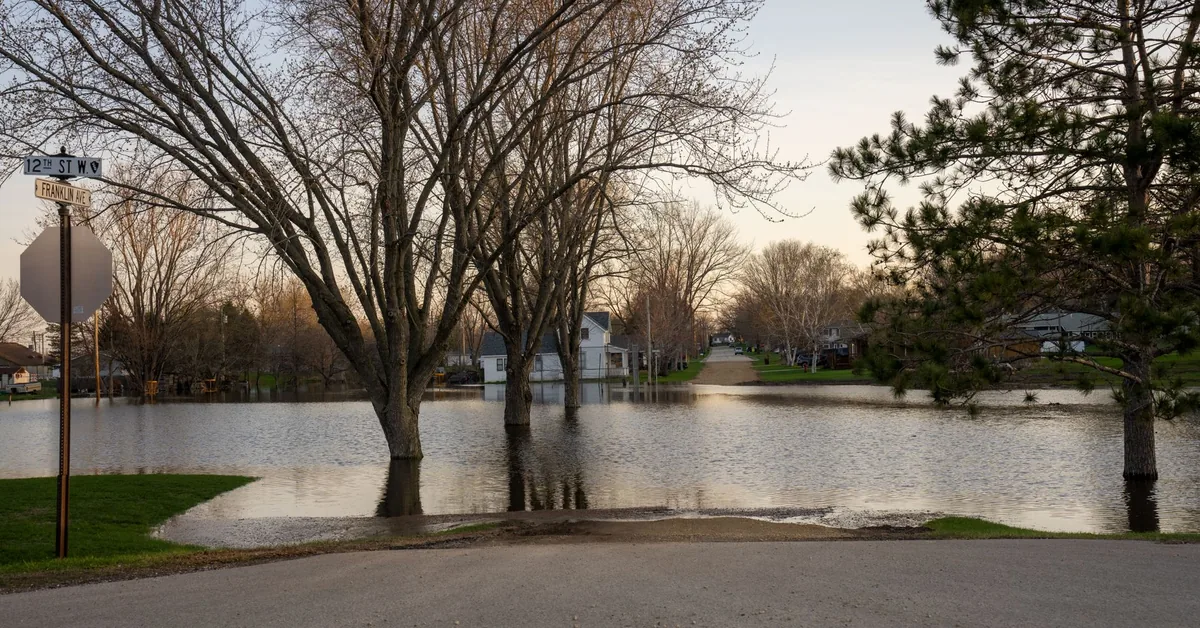
Should You Buy Flood Insurance Before Disaster Season in Canada
Learn when to buy flood insurance in Canada, what overland water coverage protects, and why purchasing before disaster season matters.
