Tropical Storm Flooding and Home Insurance: What Canadian Homeowners Need to Know
Unusual flooding events in unexpected places highlight critical coverage gaps. Learn how overland water insurance works in Canada and what your home policy actually covers.

Pexels - Nikita Korchagin · original
In this article
Unusual flooding events in places not traditionally associated with water damage serve as powerful reminders that flood risk exists across Canada, from coastal cities to prairie communities. Standard home insurance policies often exclude overland water damage, leaving homeowners exposed unless they purchase specific coverage. Understanding what your policy covers and where gaps exist helps you protect your home and finances from unexpected water events.
Introduction
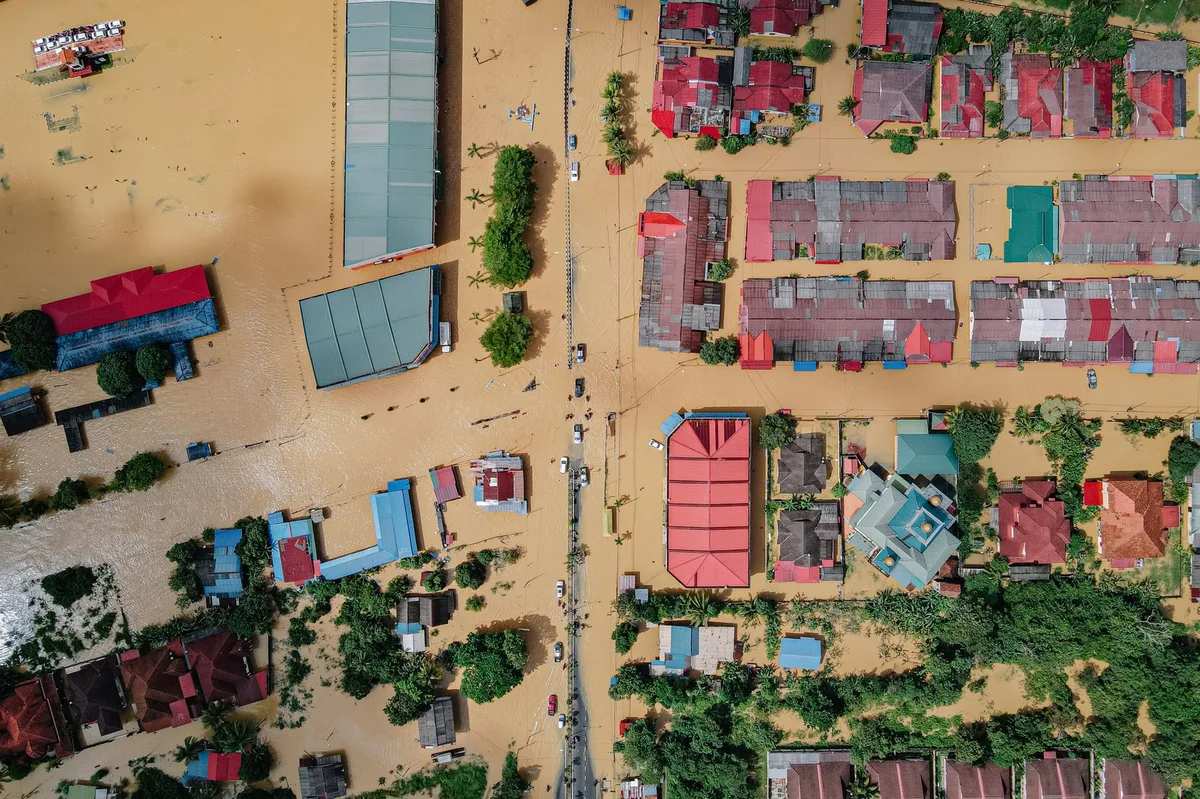
When tropical moisture or intense rainfall systems strike areas unprepared for heavy water, the results can be devastating for homeowners. Desert cities, inland communities, and places that rarely see significant precipitation can experience catastrophic flooding when weather patterns shift. These events offer valuable lessons for Canadian homeowners: flood risk is not limited to traditional flood zones, and coverage gaps in standard home insurance policies can leave you financially exposed.
In Canada, flooding has become the costliest natural disaster, with insured losses from water damage climbing steadily over the past decade. According to the Insurance Bureau of Canada, water damage now accounts for nearly half of all home insurance claims (IBC, 2024). Yet many homeowners do not realize their standard policy excludes certain types of flooding, or they underestimate their risk because they do not live near a lake or river.
What Standard Home Insurance Covers (and What It Does Not)
A standard Canadian home insurance policy typically covers water damage from sudden and accidental events inside your home. This includes burst pipes, a malfunctioning appliance, or roof damage that lets rain in during a storm. These are considered “internal” water sources, and most policies cover the resulting damage to your dwelling and personal property.
What standard policies do NOT cover:
- Overland flooding: water that flows over the ground from heavy rain, rapid snowmelt, or overflowing waterways and enters your home through doors, windows, or foundation cracks
- Groundwater seepage: water that enters through your foundation over time due to poor drainage or high water tables
- Sewer backup (unless you purchase optional coverage): water or sewage that backs up through drains, toilets, or sump pumps
As covered in foundational risk management texts such as Principles of Finance, insurance products are designed to pool predictable risks, and insurers historically excluded flood coverage because the risk was considered uninsurable or too concentrated in high-risk areas. However, the Canadian insurance market has evolved, and overland water coverage is now widely available as an optional endorsement.
Overland Water Coverage in Canada
Overland water coverage, introduced across Canada starting in 2015, protects your home and belongings from flooding caused by water flowing over the ground. This includes:
- Heavy rainfall that overwhelms drainage systems and flows into your home
- Rapid snowmelt that floods streets and properties
- Overflowing rivers, lakes, or retention ponds
- Storm surge in coastal areas
According to the Financial Consumer Agency of Canada, this coverage is sold as an optional add-on to your home insurance policy, and availability and pricing depend on your property’s flood risk (FCAC, 2024). Properties in high-risk flood zones may face higher premiums or may not qualify for coverage at all.
Overland water coverage typically includes:
- Damage to your dwelling (structure, foundation, built-in fixtures)
- Damage to personal property inside your home
- Additional living expenses if you must temporarily relocate while repairs are made
Coverage limits, deductibles, and exclusions vary by insurer and by province. Some policies cap coverage at C$50,000 or C$100,000 for overland water, while others offer higher limits. Deductibles are often higher for water damage than for other perils, sometimes starting at C$2,500 or more.
Sewer Backup Coverage: A Related Gap
Sewer backup coverage is a separate optional endorsement that protects you when water or sewage backs up through your drains due to heavy rainfall overwhelming municipal systems, tree roots blocking pipes, or sump pump failure. This coverage is distinct from overland water coverage, and you need both to be fully protected during a major storm event.
During intense rainfall, stormwater can overwhelm municipal sewer systems, causing raw sewage to back up into basements through floor drains, toilets, and sinks. Without sewer backup coverage, you pay out of pocket for cleanup, repairs, and replacement of damaged belongings. Cleanup costs for sewer backup can easily reach C$10,000 to C$25,000 or more, especially if sewage contaminates finished basements or personal property.
Provincial Differences in Flood Coverage and Regulation
Insurance is regulated provincially in Canada, and coverage availability, policy terms, and consumer protections vary by province. Some provincial regulators have issued guidance on flood coverage and insurer obligations:
- Ontario: The Financial Services Regulatory Authority of Ontario (FSRA) oversees insurers and has issued consumer guidance on understanding water damage coverage and reviewing policy exclusions.
- Quebec: The Autorité des marchés financiers (AMF) regulates insurance in Quebec, and policy wordings and coverage terms may differ from other provinces due to Quebec’s distinct civil law system.
- Alberta: The Alberta Insurance Council provides consumer resources on flood risk and coverage, particularly relevant given Alberta’s history of significant flood events in Calgary and other communities.
- British Columbia: The British Columbia Financial Services Authority (BCFSA) regulates insurers, and coastal and interior flood risks vary widely across the province.
Read also: Understanding Flood Insurance Coverage in Canada
Coverage for overland water and sewer backup is available in all provinces, but the terms, limits, and pricing differ. Always confirm the specific coverage, exclusions, and limits with a licensed insurance broker in your province.
Lessons for Canadian Homeowners
Unusual flooding events, whether in desert cities or Canadian communities not traditionally at risk, teach several important lessons:
Flood risk is not just for floodplains. Climate change is increasing the frequency and intensity of extreme rainfall events across Canada. Communities that rarely experienced flooding in the past are now seeing more frequent water damage. Even properties far from rivers or lakes can flood if stormwater systems are overwhelmed or if heavy rain pools in low-lying areas.
Coverage gaps are common. Many Canadian homeowners assume their standard policy covers all water damage. A 2023 survey by the Insurance Bureau of Canada found that nearly one in three homeowners did not know whether their policy included overland water coverage (IBC, 2024). Review your policy declarations page and endorsements to confirm what is covered.
Prevention reduces risk. Installing a sump pump with battery backup, ensuring proper grading around your foundation, clearing eavestroughs and downspouts, and installing backwater valves on sewer lines all reduce your flood risk. Some insurers offer premium discounts for homes with flood mitigation measures in place.
High deductibles apply. Water damage deductibles are often significantly higher than your standard policy deductible. If your standard deductible is C$1,000, your overland water deductible might be C$2,500, C$5,000, or even higher. Factor this into your financial planning and emergency savings.
How to Assess Your Flood Risk and Close Coverage Gaps
Start by reviewing your current home insurance policy. Look for:
- Overland water coverage: Is it included? What is the coverage limit? What is the deductible?
- Sewer backup coverage: Is it included? What is the limit?
- Exclusions: Are there specific types of water damage excluded?
Next, assess your property’s flood risk:
- Check flood risk maps provided by your municipality or provincial government. Many provinces publish flood hazard maps online.
- Consider your property’s elevation, proximity to waterways, soil type, and drainage.
- Review your neighbourhood’s history of flooding. Have nearby properties experienced water damage?
If you do not have overland water or sewer backup coverage, contact a licensed insurance broker to get a quote. Coverage may not be available for all properties, especially those in high-risk areas, but most Canadian homes can now purchase some level of flood protection.
If coverage is unavailable or unaffordable, focus on mitigation: improve drainage, install sump pumps and backwater valves, and keep valuables out of basements or low-lying areas.
Conclusion
Unexpected flooding events, whether driven by tropical moisture, intense rainfall, or rapid snowmelt, demonstrate that water damage risk exists across Canada, not just in traditional flood zones. Standard home insurance policies exclude overland flooding and sewer backup, leaving most homeowners exposed unless they purchase optional coverage. Review your policy, assess your flood risk, and close coverage gaps by adding overland water and sewer backup endorsements. Confirm the specific coverage, limits, and exclusions with a licensed insurance broker in your province for your personal situation.
Disclaimer: This article provides general information about overland water coverage and flood insurance in Canada. It is not insurance advice or a recommendation to purchase any specific coverage. Insurance products, coverage terms, exclusions, and availability vary by province, by insurer, and by property. Flood risk and coverage eligibility depend on your property’s location, construction, and claims history. Always read your policy wording carefully, confirm coverage details with a licensed insurance broker or agent in your province, and consult your provincial insurance regulator for consumer guidance on your personal situation. Coverage and regulatory requirements are subject to change.
Sources
- Home Insurance Basics (accessed )
- Insurance for Your Home (accessed )
- Insurance Bureau of Canada (accessed )
- Principles of Finance (accessed )
Related articles
Understanding Flood Insurance Coverage in Canada
Discover what flood damage your Canadian home insurance covers and the critical gaps you need to address before the next storm hits.
Should You Add Flood or Sewer Backup Coverage to Your Home Insurance in Canada?
Standard home insurance in Canada excludes flood and sewer backup. Learn when to add this optional coverage, what it costs, and what it covers.
Flood Insurance in Canada: What Homeowners Should Know Before Storm Season
What Canadian homeowners should know about flood insurance, overland water coverage, and policy checks before storm season starts.
