Flood Insurance in Canada: What Home Policies Cover and What They Don't
Understanding the difference between standard home insurance exclusions and optional overland water coverage can save Canadian homeowners from unexpected financial losses.
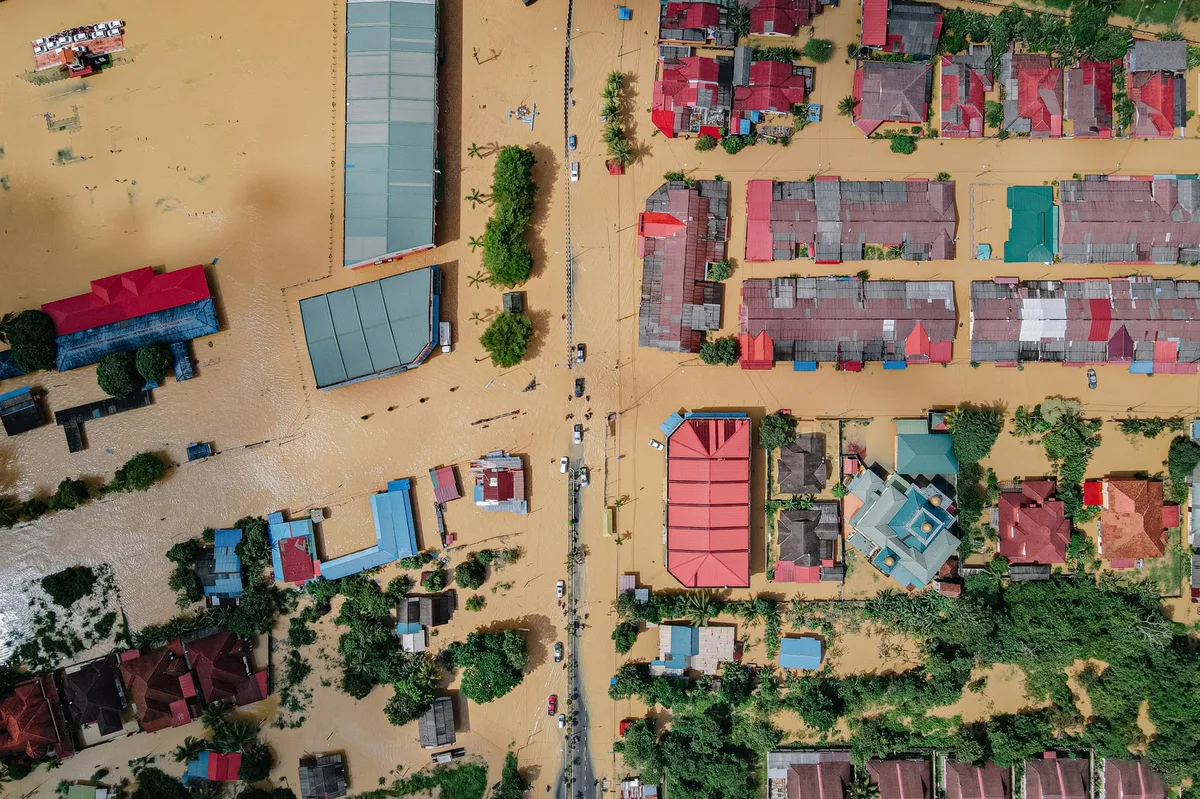
Pexels - Connor Scott McManus · original
In this article
Key Takeaway
Standard home insurance policies in Canada traditionally exclude flood damage from overland water (rain, melting snow, or overflowing bodies of water). Since around 2015, most insurers offer optional overland water coverage as an endorsement. Sewer backup coverage is separate and typically covers water that enters through drains or sewers, not surface flooding. Coverage availability, limits, and exclusions vary by province, insurer, and property risk level.
What Flood Insurance Covers in Canada
Flood insurance in the Canadian context refers to optional overland water coverage that homeowners can add to their standard home insurance policy. According to the Insurance Bureau of Canada, overland water coverage protects against water that enters your home from the surface, such as heavy rainfall, rapid snowmelt, or an overflowing river or lake (IBC).
This coverage typically protects the dwelling structure, personal property, and sometimes additional living expenses if you need to temporarily relocate while repairs are completed. Coverage limits and deductibles vary by insurer and are often based on the property’s flood risk profile.
What Standard Home Policies Exclude
Traditional home insurance policies in Canada have long excluded damage from overland water, a gap that left many homeowners financially exposed during major flood events. The Financial Consumer Agency of Canada notes that standard policies typically cover sudden and accidental water damage from internal sources, such as a burst pipe, but not flooding from external water sources (FCAC, 2026).
Common exclusions in standard home policies include:
- Water that enters from ground level or above (surface water)
- Flooding from overflowing rivers, lakes, or streams
- Rainwater that pools and seeps into the home
- Snowmelt that accumulates and enters the property
- Groundwater seepage through foundation walls or floors
These exclusions remain in place unless you purchase the optional overland water endorsement.
Sewer Backup Coverage: A Separate Protection
Sewer backup coverage is often confused with flood insurance, but it addresses a different risk. This optional coverage pays for damage when water or sewage backs up through drains, toilets, sump pumps, or sewers into your home. It does not cover overland flooding.
Many Canadian insurers offer sewer backup coverage as a separate endorsement with its own limit (commonly C$10,000 to C$25,000, though higher limits are available). If your basement floods because a municipal sewer overflows during heavy rain and water enters through your floor drain, sewer backup coverage would typically apply. If the same storm causes surface water to flow through a basement window, you would need overland water coverage instead.
How Overland Water Coverage Works
When you add overland water coverage to your home policy, the insurer evaluates your property’s flood risk using factors such as proximity to bodies of water, elevation, drainage patterns, and historical flood data. Properties in high-risk flood zones may face higher premiums, lower coverage limits, or even be ineligible for coverage with some insurers.
Overland water endorsements typically include:
- A separate deductible (often higher than your standard home insurance deductible, sometimes C$2,500 to C$10,000 or more)
- Coverage limits that may be lower than your total dwelling coverage
- Specific exclusions for certain types of property or flood scenarios
- Requirements for flood mitigation measures (such as backwater valves or sump pumps)
Read also: Should You Add Flood or Sewer Backup Coverage to Your Home Insurance in Canada?
As covered in foundational texts such as Principles of Finance (OpenStax, 2022), insurance pricing reflects the expected cost of claims, which explains why flood coverage in high-risk areas carries higher premiums or stricter terms.
Provincial and Insurer Variations
Flood insurance availability and terms vary significantly across Canada. In provinces with public auto insurance (British Columbia, Saskatchewan, Manitoba, and Quebec), private home insurance operates independently, and overland water coverage follows similar patterns to other provinces.
Some insurers may decline to offer overland water coverage for properties in designated high-risk flood plains, while others provide limited coverage with high deductibles. Urban properties with effective drainage systems generally face fewer restrictions than rural or waterfront properties.
Provincial emergency management agencies and municipalities sometimes offer flood risk mapping and mitigation programs that can help homeowners understand their exposure and potentially improve their insurability.
What You Can Do
If you live in an area with flood risk, contact a licensed insurance broker to discuss whether overland water coverage is available for your property and what the terms would be. Ask specifically about:
- The coverage limit for overland water damage
- The deductible amount
- Any exclusions or conditions
- Whether sewer backup coverage is included or requires a separate endorsement
- What flood mitigation measures might reduce your premium
Review your current home policy to confirm what water damage is already covered (such as sudden internal leaks) and what requires additional endorsements. Many homeowners discover gaps in their coverage only after a flood occurs.
Provincial regulators (such as the Financial Services Regulatory Authority of Ontario, the Autorité des marchés financiers in Quebec, or the British Columbia Financial Services Authority) provide consumer resources on insurance requirements and coverage options. Consult these resources and speak with a licensed broker for guidance specific to your situation and province.
Conclusion
Flood insurance in Canada has evolved from a near-universal exclusion to an optional coverage available through most insurers. Standard home policies still exclude overland water damage unless you purchase the specific endorsement, and sewer backup coverage addresses a different risk. Understanding these distinctions and evaluating your property’s flood exposure allows you to make informed decisions about protecting your home and belongings from water damage.
Financial Disclaimer: This article provides general information only and is not financial, insurance, or legal advice. Insurance products, coverage options, exclusions, and premiums vary by province, territory, insurer, and individual property characteristics. Confirm current terms, availability, and requirements with a licensed insurance broker or agent and the insurance regulator in your province before making coverage decisions.
Sources
- Home Insurance Basics (accessed )
- Insurance - Financial Consumer Agency of Canada (accessed )
- Principles of Finance (accessed )
Related articles
Should You Add Flood or Sewer Backup Coverage to Your Home Insurance in Canada?
Standard home insurance in Canada excludes flood and sewer backup. Learn when to add this optional coverage, what it costs, and what it covers.
Flood Insurance in Canada: What Homeowners Should Know Before Storm Season
What Canadian homeowners should know about flood insurance, overland water coverage, and policy checks before storm season starts.
Should You Buy Flood Insurance Before Disaster Season in Canada
Learn when to buy flood insurance in Canada, what overland water coverage protects, and why purchasing before disaster season matters.
