What Canadian Homeowners Should Know About Flood Insurance in Canada
Standard home insurance does not cover overland flooding in Canada. Learn what overland water coverage protects, how to get it, and what limits apply.
Pexels - Helena Jankovičová Kováčová · original
In this article
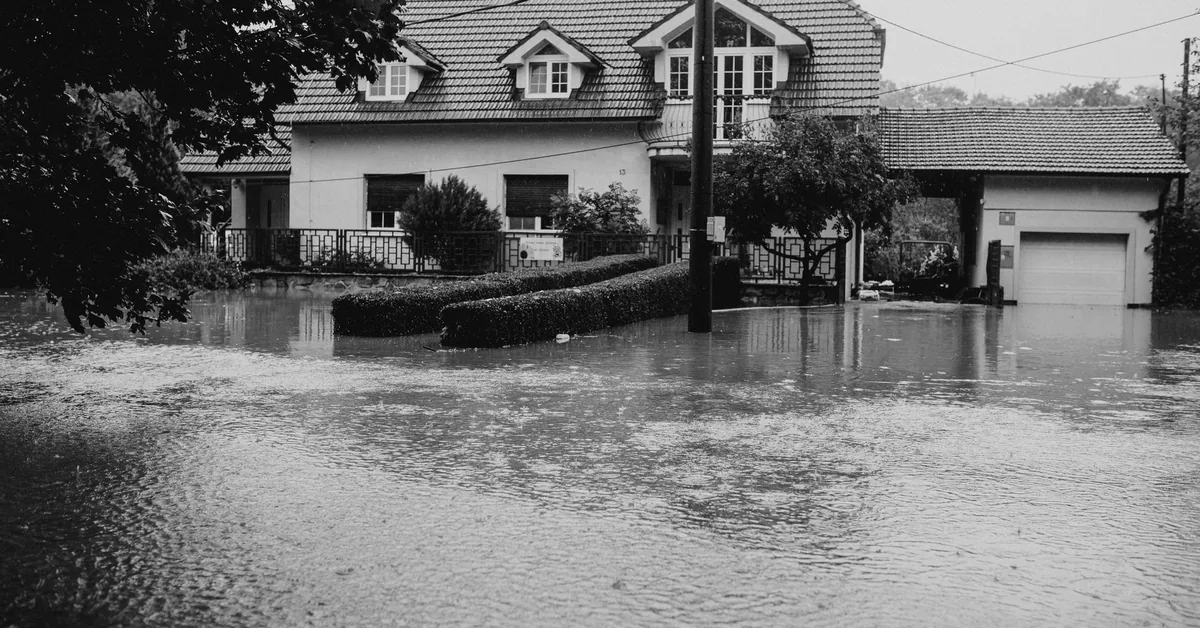
Standard home insurance policies in Canada do not cover overland flooding (water that enters your home from outside sources such as heavy rain, rapid snowmelt, or rising rivers). To protect your property from flood damage, you must purchase overland water coverage as an add-on endorsement to your home insurance policy. This coverage became widely available from Canadian insurers in recent years, but it is optional, comes with specific coverage limits and deductibles, and is not available in all high-risk locations.
Why Standard Home Insurance Excludes Flood Coverage
Home insurance in Canada traditionally covered only water damage from sources inside the building, such as burst pipes or a leaking roof. According to the Insurance Bureau of Canada, overland flooding was historically excluded because the risk was concentrated in specific flood-prone areas and difficult to model (IBC). After major flooding events in Alberta (2013), Toronto (2013), and other regions, insurers began offering overland water coverage as a separate endorsement that homeowners can add to their existing home insurance policy for an additional premium.
What Overland Water Coverage Protects
Overland water coverage protects your dwelling and personal property from water that flows over the ground and enters your home from outside. This includes flooding from heavy rainfall, rapid snowmelt, overflowing rivers and lakes, and storm surges. The coverage typically pays to repair or replace your home’s structure, damaged personal belongings, and in some cases, additional living expenses if you must temporarily relocate while repairs are made.
Coverage limits vary by insurer and are often lower than your main dwelling coverage limit. For example, you might have C$500,000 in dwelling coverage but only C$100,000 in overland water coverage. Deductibles for flood coverage are typically higher than your standard home insurance deductible (often C$2,500 to C$10,000 or more), and some insurers apply percentage-based deductibles in high-risk areas.
What Overland Water Coverage Does Not Cover
Overland water coverage excludes certain types of water damage. Sewer backup (water or sewage that backs up through drains, toilets, or sump pumps) is covered under a separate sewer backup endorsement, not overland water coverage. Groundwater seepage (water that slowly seeps through basement walls or floors) is typically excluded. Damage from poor maintenance, such as foundation cracks you failed to repair, is not covered. Properties in extreme flood-risk zones may be denied coverage entirely, or offered coverage with very high deductibles that make the protection impractical.
How to Get Flood Coverage and What It Costs
Contact your current home insurance provider or a licensed insurance broker to request an overland water coverage quote. The broker can compare offerings from multiple insurers, as coverage terms, limits, and premiums vary significantly. Premiums depend on your property’s flood risk (determined by proximity to water, elevation, flood history, and municipal flood maps), the coverage limit you select, and your chosen deductible. Expect to pay anywhere from C$200 to over C$1,500 per year for the endorsement, depending on these factors.
Read also: How to Buy Flood Insurance in Canada Before Severe Weather Season
Before purchasing, read the policy wording carefully to understand the coverage limit, deductible, exclusions, and any sub-limits for personal property or additional living expenses. Ask your broker about the insurer’s claims process and whether they require specific flood mitigation measures (such as backwater valves or sump pumps) to qualify for coverage.
If you live in a high-risk flood zone and cannot obtain private coverage, ask your provincial insurance regulator or a licensed broker about any government flood programs or last-resort coverage options available in your province. Flood risk and coverage availability vary significantly by province and municipality.
Next Steps
Review your current home insurance policy to confirm whether you have overland water coverage. If you do not, contact a licensed insurance broker to request a quote and compare coverage options from multiple insurers. Check your municipality’s flood risk maps (often available on the municipal or provincial government website) to understand your property’s flood exposure. If you are in a higher-risk area, consider flood mitigation measures such as installing a backwater valve, improving grading around your foundation, or relocating valuable items to upper floors.
Disclaimer: This article provides general information about flood insurance in Canada and is not insurance advice. Coverage, exclusions, premiums, and availability vary by province, municipality, insurer, and individual property characteristics. Flood risk and coverage options differ significantly depending on your location and the specific terms of your policy. Before purchasing or relying on any insurance coverage, confirm current product details, coverage limits, and exclusions with a licensed insurance broker or agent in your province and read the complete policy wording. For questions about your property’s flood risk or coverage requirements, consult your provincial insurance regulator and a licensed broker for your personal situation.
Sources
- Home Insurance (accessed )
- Financial Consumer Agency of Canada (accessed )
- Office of the Superintendent of Financial Institutions (accessed )
Related articles

How to Buy Flood Insurance in Canada Before Severe Weather Season
Learn how to buy overland flood insurance in Canada before severe weather season. Step-by-step guide to coverage, costs, and protection.
Flood Insurance in Canada: What Homeowners Should Know Before Storm Season
What Canadian homeowners should know about flood insurance, overland water coverage, and policy checks before storm season starts.
Should You Buy Flood Insurance Before Disaster Season in Canada
Learn when to buy flood insurance in Canada, what overland water coverage protects, and why purchasing before disaster season matters.
