Why Home Insurance Costs Rose 45% in Six Years in Canada
Statistics Canada reports home insurance premiums jumped 45% between 2017 and 2023, driven primarily by extreme weather events and rising climate-related claims.
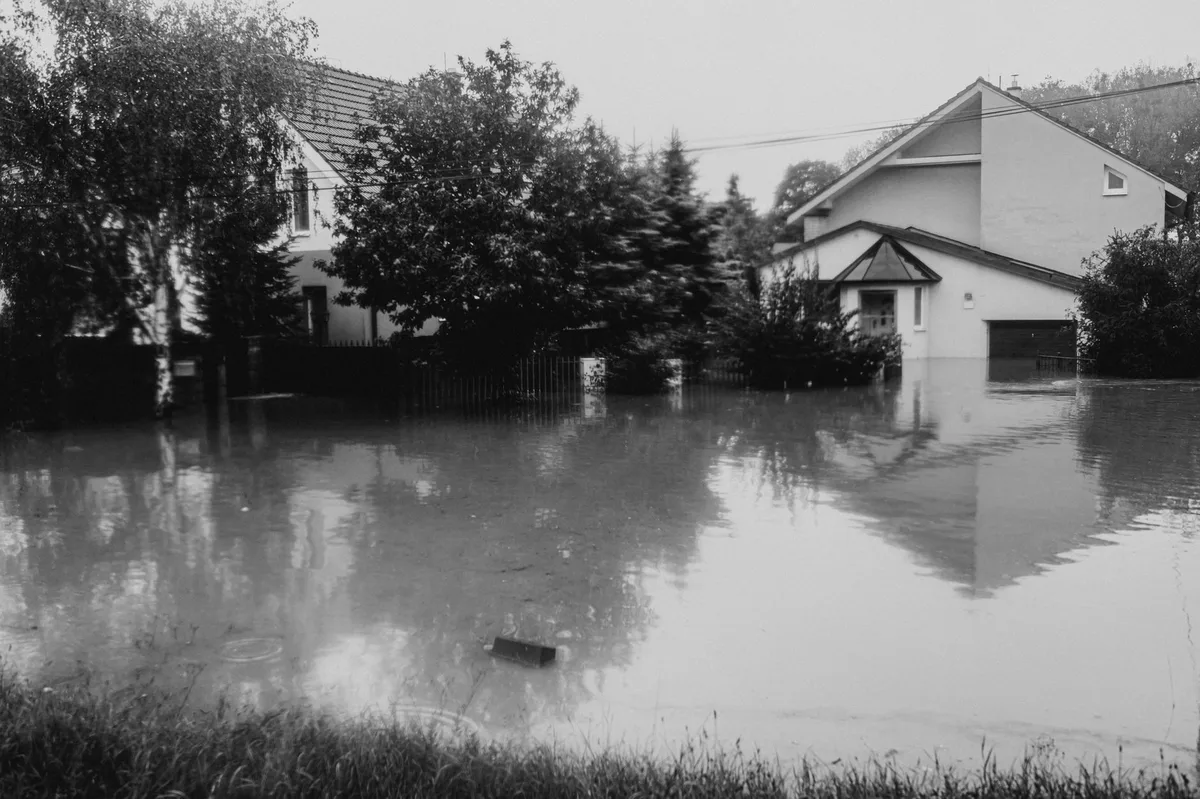
Pexels - Helena Jankovičová Kováčová · original
In this article
Key Takeaway
Home insurance premiums in Canada rose 45% between 2017 and 2023, according to Statistics Canada, driven primarily by an increase in severe weather events and catastrophic claims. Wildfires, floods, hailstorms, and hurricanes have pushed insurer payouts to record levels, forcing companies to raise rates to cover escalating replacement costs and climate-related risks. This trend affects homeowners across all provinces, though some regions face sharper increases than others based on local exposure to extreme weather.
The Rising Cost of Protecting Your Home
Between 2017 and 2023, Canadian homeowners saw their insurance premiums climb an average of 45%, a figure confirmed by Statistics Canada’s consumer price tracking. This increase far outpaced general inflation and represents one of the steepest rises in household insurance costs in recent decades. The primary driver, according to the Insurance Bureau of Canada, is the surge in insured losses from extreme weather events, which have fundamentally changed how insurers price risk (IBC, 2024).
Understanding why premiums rose so sharply requires looking at the mechanics of insurance pricing. As covered in foundational texts such as Principles of Finance, insurers calculate premiums based on expected claims costs plus administrative expenses and a margin for uncertainty. When claims spike, particularly from catastrophic events, premiums must rise to keep policies financially sustainable.
What the Data Shows
Statistics Canada’s findings reveal that the 45% increase was not evenly distributed. Homeowners in high-risk provinces such as British Columbia (wildfire zones), Alberta (hail-prone areas), and Atlantic Canada (hurricane exposure) experienced steeper hikes, sometimes exceeding 50% over the same period. Ontario and Quebec saw increases closer to the national average, though urban flood risk in cities like Toronto and Montreal has pushed rates higher in specific postal codes.
The dollar impact varies by coverage level and property value. A homeowner paying C$1,200 annually in 2017 would have seen that premium rise to approximately C$1,740 by 2023, an additional C$540 per year. For properties with replacement costs above C$500,000 or located in high-risk zones, the increase can be substantially higher.
Why Extreme Weather Drives Costs Higher
Severe weather events generate two types of cost pressure on insurers: the immediate payout for claims and the long-term adjustment to risk models. According to the Insurance Bureau of Canada, insured catastrophic losses in Canada averaged over C$2 billion annually in recent years, compared to less than C$500 million per year two decades ago. Major events such as the 2016 Fort McMurray wildfire (C$3.7 billion in insured losses), the 2020 Alberta hailstorm, and recurring atmospheric river flooding in British Columbia have fundamentally reshaped the claims landscape.
When insurers pay out more in claims, they must raise premiums to maintain adequate reserves and meet regulatory capital requirements set by the Office of the Superintendent of Financial Institutions (OSFI). This is not price gouging but a mathematical requirement: premiums must cover expected future claims plus a margin for unexpected losses. As extreme weather becomes more frequent and severe, that expected cost rises, and premiums follow (FCAC, 2024).
Replacement costs also play a role. Construction material prices, labour shortages, and supply chain disruptions following the pandemic pushed rebuilding costs higher. A home that cost C$350,000 to rebuild in 2017 might require C$500,000 or more in 2023, and insurance coverage limits (and premiums) must rise accordingly.
Regional Variations Across Canada
The 45% national average masks significant regional differences driven by local hazards:
British Columbia: Wildfire risk in the Interior and atmospheric river flooding on the South Coast have pushed premiums up sharply. Properties in wildfire interface zones or flood plains face the steepest increases, with some homeowners seeing rates double or coverage withdrawn entirely.
Alberta: Hailstorms in the Calgary corridor generate hundreds of millions in annual claims. Insurers have responded by raising deductibles and premiums, particularly for properties with older roofs or in high-exposure areas.
Atlantic Canada: Post-tropical storms and hurricanes, including Fiona in 2022, have increased wind and water damage claims. Coastal properties face higher premiums and stricter underwriting.
Read also: The Coinsurance Clause on Home Insurance in Canada: 5 Things to Know About Under-Insuring
Ontario and Quebec: Urban flooding from intense rainfall events and aging stormwater infrastructure has driven claims in cities. Overland water coverage, now standard in most policies, has added cost but also necessary protection.
Prairie Provinces: Overland flooding and severe storms contribute to rising premiums, though rates remain below coastal or wildfire-prone regions.
Provincial insurance regulators (such as the Financial Services Regulatory Authority of Ontario, or FSRA) review and approve rate changes, ensuring increases are justified by claims data. However, regulators cannot prevent rate hikes driven by genuine loss trends.
What This Means for Homeowners
Rising premiums place real financial pressure on households. Homeowners face a choice: absorb the cost, raise deductibles to lower premiums (accepting more out-of-pocket risk), or reduce coverage (a risky move that can leave gaps). According to the Financial Consumer Agency of Canada, comparing quotes from multiple insurers and reviewing coverage annually are the most effective ways to manage costs without sacrificing protection (FCAC, 2024).
Risk mitigation measures can help. Upgrading roofs, installing sump pumps, maintaining drainage systems, and clearing vegetation near the home can reduce claims risk and potentially lower premiums. Some insurers offer discounts for homes with impact-resistant roofing, modern electrical and plumbing systems, or monitored alarm systems.
For properties in high-risk zones, coverage may become harder to obtain. Some insurers have restricted new policies in wildfire-prone areas or imposed strict underwriting requirements. Homeowners facing non-renewal or coverage denials may need to turn to facility associations or risk-sharing pools, though these options typically cost more.
Looking Ahead
Climate scientists project continued increases in extreme weather frequency and severity, suggesting the upward trend in home insurance costs will persist. Insurers are investing in better catastrophe modeling, but no amount of data analysis can eliminate the fundamental reality: more claims mean higher premiums.
Homeowners should expect ongoing rate pressure and plan accordingly. Building an emergency fund to cover higher deductibles, maintaining comprehensive documentation (photos, receipts, inventories) for claims, and staying informed about local hazard trends are prudent steps. Consulting a licensed insurance broker annually to review coverage and explore options across multiple insurers remains the best strategy for balancing cost and protection.
Conclusion
The 45% increase in home insurance costs between 2017 and 2023 reflects a fundamental shift in Canada’s risk landscape. Extreme weather events are no longer rare outliers but recurring threats that drive billions in claims. While the cost burden on homeowners is real, so is the risk these policies protect against. Understanding the drivers behind rate increases and taking proactive steps to manage both risk and cost puts homeowners in the best position to navigate this evolving insurance environment.
Disclaimer: This article provides general information about home insurance costs and trends in Canada and is not financial, insurance, or legal advice. Home insurance products, coverage terms, premiums, and availability vary significantly by province, territory, insurer, and individual property characteristics. The coverage, exclusions, deductibles, and limits that apply to your situation depend on your specific policy wording, location, property condition, and claims history. Insurance regulations and rate approval processes differ across provincial jurisdictions. For personalized guidance on your home insurance needs, coverage options, premium management strategies, and claims processes, consult a licensed insurance broker or agent in your province. To confirm regulatory requirements and consumer protections in your province or territory, contact your provincial insurance regulator. This information is current as of October 2026; verify current rates, coverage availability, and regulatory requirements before making insurance decisions.
Sources
- Insurance and Financial Consumer Protection (accessed )
- Home Insurance Information and Resources (accessed )
- Financial Consumer Agency of Canada (accessed )
- Principles of Finance (accessed )
Related articles

The Coinsurance Clause on Home Insurance in Canada: 5 Things to Know About Under-Insuring
The coinsurance clause cuts your claim if you under-insure your home. Learn how the 80% rule works and how to avoid penalties on claims.

How Inflation Has Affected Home Insurance in Canada
Discover how inflation has increased home insurance premiums in Canada through replacement costs, claims expenses, and severe weather impacts.
Home Insurance Premiums Are Rising in Canada: What Are You Getting in Return?
Home insurance premiums are up across Canada. Learn what coverage you're actually getting, why costs are rising, and how to maximize value.
