Flood Risk and Home Insurance in the UK: How Flood Re Protects High-Risk Properties
Flood Re helps homeowners in high-risk flood areas get affordable buildings insurance by capping premiums and spreading risk across the market.
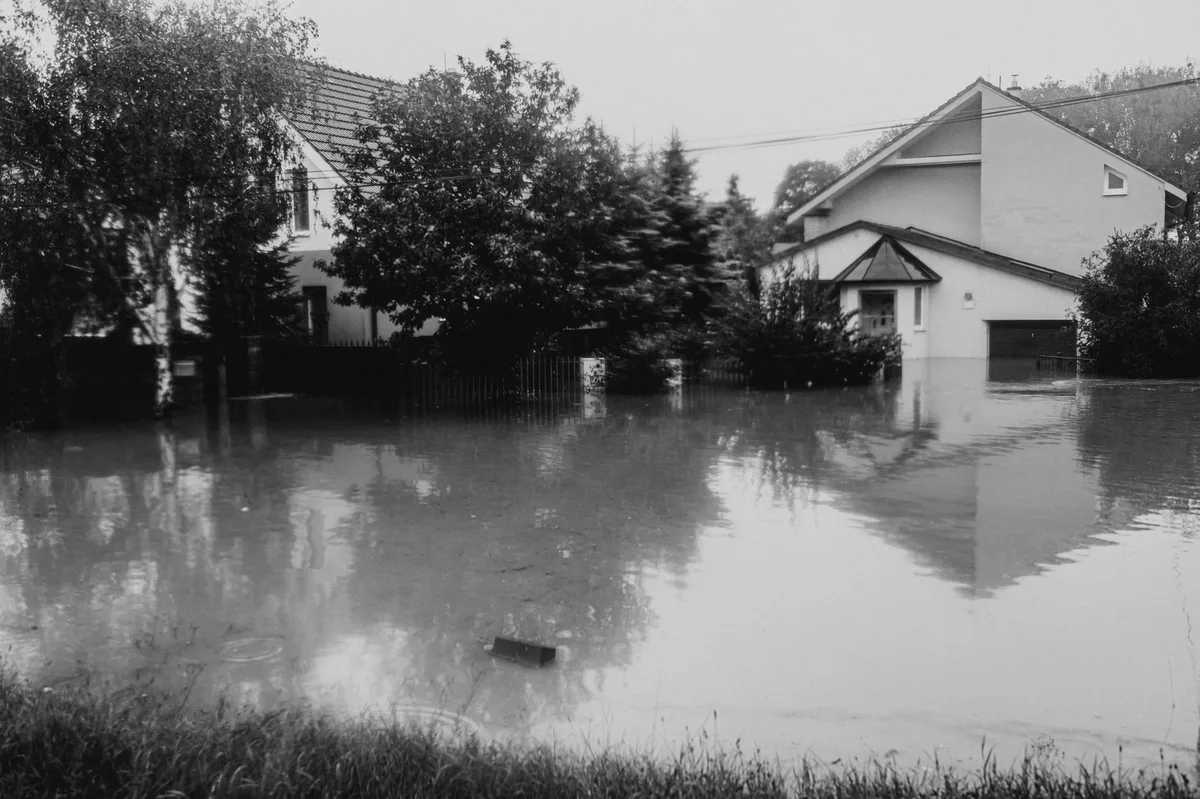
Pexels - Helena Jankovičová Kováčová · original
In this article
Key Takeaway
Flood Re is a UK government-backed scheme that makes buildings insurance affordable for homes at high risk of flooding. It caps flood cover premiums at fixed bands based on your council tax band, stops insurers from refusing cover solely due to flood risk, and spreads the cost across the wider insurance market. If you live in a flood-risk area and struggle to find affordable cover, Flood Re can reduce your premium by hundreds of pounds a year.
The Flood Insurance Challenge in the UK
Flooding affects hundreds of thousands of UK properties, and the risk is rising. Homes built on floodplains, near rivers, or in low-lying coastal areas face recurring danger from storms, heavy rainfall, and tidal surges. For decades, many homeowners in these high-risk zones struggled to secure buildings insurance at any price. Insurers either refused cover outright or quoted premiums running into thousands of pounds, sometimes exceeding the cost of the home itself over a mortgage term.
This created a postcode lottery: two identical homes could face wildly different insurance costs purely because one sat in a flood zone. Homeowners couldn’t sell, remortgage, or rebuild after a flood without prohibitive insurance bills. The problem threatened entire communities and locked vulnerable households into uninsurable properties.
What Flood Re Is
Flood Re is a joint initiative between the UK government and the insurance industry, established in 2016 to solve this crisis. It is a reinsurance scheme that sits behind the scenes of the standard home insurance market. When you buy a buildings insurance policy for a flood-risk property, your insurer can pass the flood risk portion of that policy to Flood Re, which then caps the premium you pay for that flood element.
The scheme operates as a not-for-profit fund. Insurers pay a levy into Flood Re based on their market share, spreading the cost of flood risk across millions of policyholders rather than loading it entirely onto the households who happen to live in vulnerable areas. According to Flood Re, the scheme has helped over 300,000 households access affordable cover since its launch.
How Flood Re Works
When you request a buildings insurance quote for a property built before 1 January 2009 and located in a flood-risk area, the insurer checks whether it qualifies for Flood Re. If it does, the insurer prices the non-flood elements (fire, theft, subsidence, and so on) at normal rates, then adds a flood premium capped by Flood Re’s fixed bands.
The caps are set by council tax band, not by the actual flood risk. A Band A property might pay around £210 per year for the flood element, while a Band H property could pay around £1,200. These figures are far below the market rate that insurers would otherwise charge for high-risk properties. The insurer then cedes the flood risk to Flood Re and pays Flood Re a premium for taking on that liability.
This structure achieves two goals: it guarantees you can buy cover, and it stops your premium from spiralling based on flood maps alone. The principle of risk pooling, a foundational concept in insurance as covered in educational texts such as Principles of Finance, underpins the Flood Re model by distributing individual high risks across a broad collective fund.
Who Qualifies for Flood Re
Flood Re applies to residential buildings insurance for homes built before 1 January 2009. The property must be in the UK, and it must be a domestic dwelling (not a commercial property, buy-to-let with more than three properties in a landlord’s portfolio, or a new build).
You do not apply to Flood Re directly. Your insurer handles everything. When you compare quotes, ask each provider whether they participate in Flood Re and whether your property qualifies. Most major insurers in the UK are part of the scheme, but not all offer Flood Re-backed policies for every postcode or property type. Shop around: one insurer might route your policy through Flood Re while another quotes you the full unsubsidised rate.
Impact on Premiums and Excesses
Flood Re typically reduces premiums by several hundred pounds a year for high-risk homes. Before the scheme, annual flood cover could cost £3,000 or more; under Flood Re, that same cover might drop to £500 to £1,200 depending on your council tax band. The savings can make the difference between affording a mortgage and losing your home.
Read also: What UK Homeowners Need to Know About Flood Insurance in the UK
However, Flood Re does not cap your excess (the amount you pay towards a flood claim). Insurers set excesses based on their own risk assessment, and flood excesses can still run to £1,000 or more. Read your policy wording carefully to understand what you will pay if you claim.
Contents insurance is separate. Flood Re covers buildings only. You will need to arrange contents cover through your insurer’s standard product, and the cost of that cover is not capped by Flood Re.
What Flood Re Does Not Cover
Flood Re excludes properties built on or after 1 January 2009, on the principle that new builds should have been designed and sited to modern flood resilience standards. It also excludes buy-to-let landlords with portfolios of more than three properties, businesses, and certain types of leasehold arrangements.
The scheme does not cover the cost of flood prevention or resilience measures (such as flood barriers or sump pumps). Some insurers offer discounts if you install these yourself, but that sits outside the Flood Re mechanism.
Flood Re is a transitional scheme. It is scheduled to end in 2039, with the expectation that improved flood defences, better planning rules, and property-level resilience will reduce the need for subsidised cover. As that date approaches, premiums may rise gradually to reflect true risk.
What to Do Next
If you live in a flood-risk area or have struggled to find affordable buildings insurance, compare quotes from insurers that participate in Flood Re. Mention your postcode and ask explicitly whether the property qualifies for the scheme. Check the flood element premium, the excess, and what flood events are actually covered (river flooding, surface water, coastal flooding, and so on).
Consider property-level resilience measures: flood doors, air-brick covers, and sump pumps can reduce damage and may lower your excess or improve your chances of securing cover. The National Flood Forum and your local council can advise on grants and schemes to fund these improvements.
Read your policy wording in full before you buy. Confirm that flood cover is included, verify the excess, and check exclusions. Some policies exclude certain types of flooding or require you to maintain flood defences as a condition of cover. Verify current terms and eligibility with an FCA-authorised insurance adviser for your personal circumstances, as cover and pricing vary by insurer and by property.
Financial Disclaimer: This article provides general information about flood insurance and the Flood Re scheme in the UK. It is not regulated financial advice. We are not authorised by the Financial Conduct Authority. Flood cover, premiums, excesses, and eligibility vary by insurer, property, and flood risk. Always read the policy wording and the key facts document, and consider speaking to an FCA-authorised insurance adviser for guidance specific to your property and circumstances before making a decision.
Sources
- Flood Re - About Us (accessed )
- Products and Issues (accessed )
- Insurance Guidance (accessed )
- Principles of Finance (accessed )
Related articles

What UK Homeowners Need to Know About Flood Insurance in the UK
UK homeowners' guide to flood insurance: what's covered, how Flood Re works, and when you need specialist flood cover for your property.
What UK Homeowners Need to Know About Flood Insurance
UK flood insurance explained: how Flood Re works, when you need cover, and what buildings and contents policies actually protect against flooding.

UK Storm Season: A Homeowner's Guide to Insurance Preparation
Learn how to prepare your UK home and contents insurance for storm and flood season. Our guide covers policy checks, making a claim, and using schemes like Flood Re.
