What UK Homeowners Need to Know About Flood Insurance
Flood cover in the UK works differently from standard home insurance and availability depends on your property's flood risk, but the Flood Re scheme helps keep it affordable for high-risk homes.
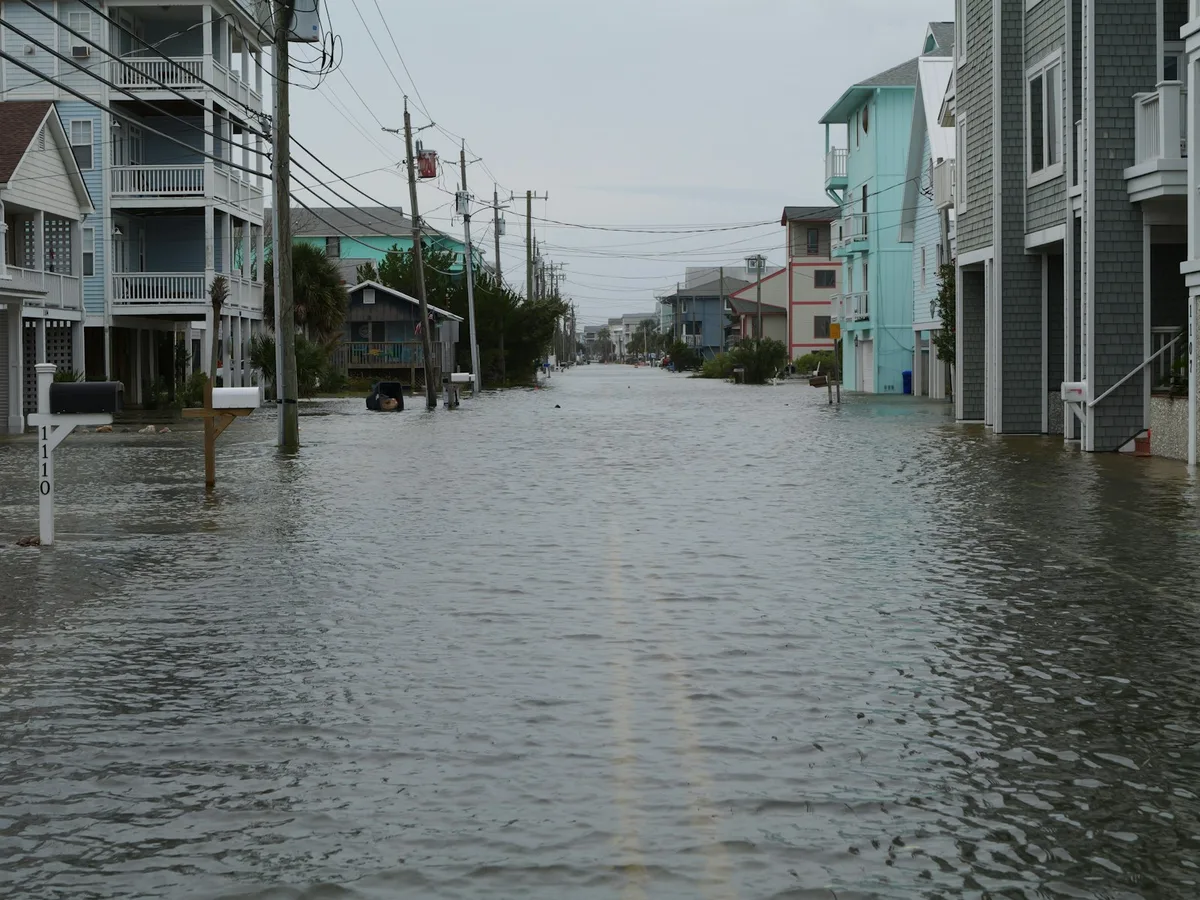
Unsplash - Richard R · original
In this article
Key takeaway: Standard UK home insurance policies often exclude or limit flood damage unless you specifically add flood cover. If your property is in a flood risk area, the government-backed Flood Re scheme helps keep premiums affordable by capping what insurers can charge high-risk homes. Check your property’s flood risk on the Environment Agency flood map, confirm your buildings and contents policies include flood damage, and verify current terms with an FCA-authorised adviser before deciding.
What Flood Insurance Covers in the UK
Flood insurance is not a standalone product in the UK. Instead, flood damage is covered as part of your buildings insurance, your contents insurance, or both, depending on what you choose to insure and whether the policy includes flood as a listed peril.
Buildings insurance covers the structure of your home (walls, roof, floors, permanent fixtures) against flood damage. Contents insurance covers your belongings (furniture, electronics, clothing) damaged by floodwater. Many homeowners take out a combined buildings and contents policy that protects both. However, not all policies automatically include flood cover, particularly if your property sits in a high-risk flood zone. You must check the policy wording and the key facts document to confirm flood damage is listed and understand any exclusions or excess amounts that apply.
How Flood Re Works
Flood Re is a government-backed reinsurance scheme launched in 2016 to make flood cover available and affordable for homes at significant flood risk (Flood Re, 2026). Before Flood Re, insurers often refused cover or charged prohibitively high premiums for properties in flood zones.
Under the scheme, insurers can pass the flood risk portion of a home insurance policy to Flood Re, which caps the flood premium based on your council tax band. This means that even if your home has flooded before or sits in a high-risk area, you can still obtain buildings and contents insurance with flood cover included at a capped rate. The rest of your premium (for fire, theft, and other perils) is priced normally by the insurer. Not all insurers participate in Flood Re, so it pays to compare quotes and ask whether the insurer uses the scheme when you request flood cover.
Flood Re applies to residential properties built before 1 January 2009. New-build homes and commercial properties are excluded, as are leasehold flats in blocks of four or more units (though the freeholder’s buildings policy may cover communal areas).
Assessing Your Flood Risk
The Environment Agency provides free online flood maps for England, and equivalent services exist for Scotland, Wales, and Northern Ireland. These maps classify properties into flood risk bands (low, medium, or high) based on rivers, seas, and surface water flood data. Knowing your risk helps you decide whether to add flood cover and what level of excess you can afford.
Read also: Weighing the Risks of Flood Insurance in the UK
According to the Association of British Insurers, around 5.2 million UK homes are at risk of flooding (ABI, 2026). Even properties outside designated high-risk zones can flood from surface water (drains overwhelmed by heavy rain) or groundwater, so consider adding flood cover if your area has seen localised flooding or if your survey or mortgage lender flags any concern.
Costs and Next Steps
Flood insurance premiums vary by flood risk, property value, rebuild cost, and your chosen excess. Flood Re caps the flood element of the premium, but the overall policy cost still depends on your insurer’s pricing for other perils and your claims history. Excesses for flood claims can be higher than for other types of damage, particularly for high-risk properties, so review the terms carefully.
To arrange or review your flood cover, check the Environment Agency flood map for your postcode, compare quotes from insurers that participate in Flood Re, and confirm that both buildings and contents cover include flood damage as a listed peril. Read the policy wording for exclusions (such as damage from lack of maintenance or gradual seepage) and verify the excess and any sub-limits that apply. For personal advice on the right level of cover for your situation, consider speaking to an FCA-authorised insurance adviser (MoneyHelper, 2026).
Disclaimer: This article provides general information only and is not regulated financial advice. We are not authorised by the Financial Conduct Authority. Flood cover terms, exclusions, premiums, and availability vary by insurer, property, and individual circumstances. Always read the policy wording and key facts document, confirm details with the insurer or an FCA-authorised insurance adviser, and verify that the cover meets your personal needs before purchasing or renewing a policy.
Sources
- Flood Re - Making Flood Cover Accessible and Affordable (accessed )
- Choosing the Right Insurance - Products and Issues (accessed )
- Insurance Guidance - Everyday Money (accessed )
Related articles

Flood Insurance in the UK: Who Needs It and How Flood Re Works
Learn who needs flood insurance in the UK, how Flood Re makes cover affordable for high-risk properties, and what protection you need against flood damage.
Weighing the Risks of Flood Insurance in the UK
UK homeowners face flood insurance decisions. Learn how Flood Re works, assess your risk, and weigh costs against protection.
Why UK Homeowners Should Review Flood Insurance Before Winter Flood Season
UK homeowners should review flood insurance before winter. Learn about Flood Re, what's covered, and how to protect your property from rising flood risk.
