Why UK Homeowners Should Review Flood Insurance Before Winter Flood Season
With flood risk rising across the UK, homeowners are being reminded to check their cover before the winter flood season begins.

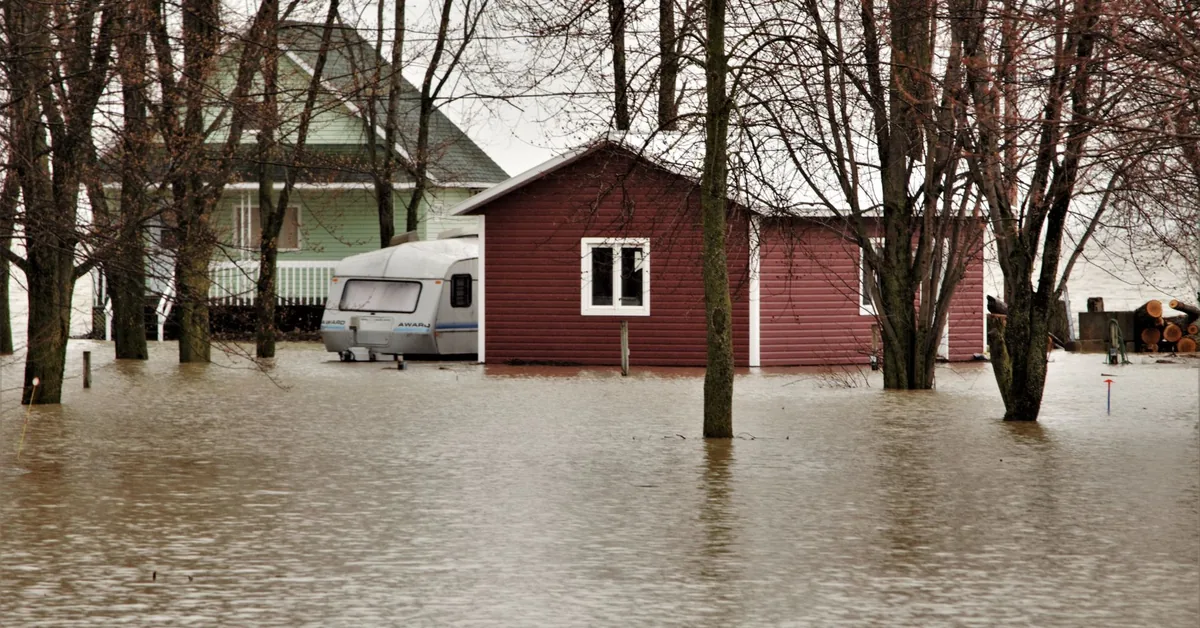
Pexels - Helena Jankovičová Kováčová · original
In this article
Key Takeaway
Flood insurance in the UK is not always included automatically in standard home insurance policies. With climate change increasing flood risk and the winter flood season approaching, homeowners in flood-prone areas should review their buildings and contents cover now, check if they need flood protection, and understand whether the government-backed Flood Re scheme applies to their property. Many insurers require flood cover to be added separately or may refuse cover entirely in high-risk postcodes without Flood Re.
Why Flood Insurance Matters in the UK
Flooding causes more damage to UK homes than any other natural peril. According to the Association of British Insurers, thousands of properties across England, Wales, Scotland, and Northern Ireland face significant flood risk, and that number is rising as extreme weather events become more frequent.
Standard buildings insurance and contents insurance do not always cover flood damage automatically. Some policies exclude flooding entirely, while others require you to add it as an optional extra. If your home sits in a flood risk area and you have no flood cover, you could face repair bills running into tens of thousands of pounds with no protection.
When to Review Your Cover
The UK flood season typically peaks during autumn and winter months, when heavy rainfall, river overflows, and coastal storm surges combine to create the highest risk. Now is the time to check your policy wording before the weather deteriorates.
Review your buildings insurance and contents insurance to confirm whether flood damage is included. Look for sections on perils covered, exclusions, and excess amounts. If flood cover is excluded or unclear, contact your insurer or an FCA-authorised insurance adviser to discuss your options.
What Flood Re Means for Your Premium
Flood Re is a government-backed reinsurance scheme designed to make flood insurance more affordable for homeowners in high-risk areas. Introduced in 2016, the scheme caps premiums and excess amounts for eligible properties, preventing insurers from pricing flood-prone homes out of the market entirely.
Not every property qualifies. Flood Re covers most residential buildings insurance policies and some contents policies for homes built before 1 January 2009, but excludes newer properties, commercial premises, and buy-to-let landlords with more than a small portfolio. If your insurer uses Flood Re, your premium and excess will be capped at a level set by the scheme, regardless of your postcode flood risk.
Read also: Flood Insurance Changes in the UK as Flood Season Approaches
Check with your insurer whether your policy is underwritten through Flood Re. If it is, you benefit from the cap. If not, you may face higher premiums or struggle to find an insurer willing to cover you at all.
Buildings vs Contents Cover
Flood damage can affect both the structure of your home and your possessions. Buildings insurance covers permanent fixtures such as walls, floors, roofs, and fitted kitchens. Contents insurance covers movable items such as furniture, electronics, clothing, and carpets.
If floodwater enters your home, both policies may pay out, but only if flood cover is included. Always read the policy wording and the key facts document, and confirm the cover details with your insurer or an FCA-authorised adviser before assuming you are protected.
What to Do Now
Check your current policy documents to see if flood cover is included. If it is excluded or you are unsure, contact your insurer to add it or to clarify the terms. If you live in a high-risk area and cannot find affordable cover on the open market, ask insurers whether they participate in Flood Re.
Consider your excess amount as well. A high excess reduces your premium but means you pay more out of pocket if you make a claim. Balance affordability against the financial impact of a flood.
Disclaimer
This article provides general information only and is not regulated financial advice. We are not authorised by the Financial Conduct Authority. Flood insurance terms, cover limits, premiums, and availability vary by insurer, by policy, and by individual circumstances. Always read the policy wording and key facts document carefully, and consider speaking to an FCA-authorised insurance adviser to discuss your personal situation before making any decisions.
Sources
- Flood Re - Making Flood Insurance More Affordable (accessed )
- Insurance - Choosing the Right Insurance (accessed )
- Insurance - MoneyHelper (accessed )
Related articles

Flood Insurance in the UK: Who Needs It and How Flood Re Works
Learn who needs flood insurance in the UK, how Flood Re makes cover affordable for high-risk properties, and what protection you need against flood damage.
Weighing the Risks of Flood Insurance in the UK
UK homeowners face flood insurance decisions. Learn how Flood Re works, assess your risk, and weigh costs against protection.
What UK Homeowners Need to Know About Flood Insurance
UK flood insurance explained: how Flood Re works, when you need cover, and what buildings and contents policies actually protect against flooding.
