Flood Insurance Changes in the UK as Flood Season Approaches
UK homeowners face potential changes to flood insurance as the autumn flood season nears, with evolving Flood Re provisions and rising premiums in high-risk areas.
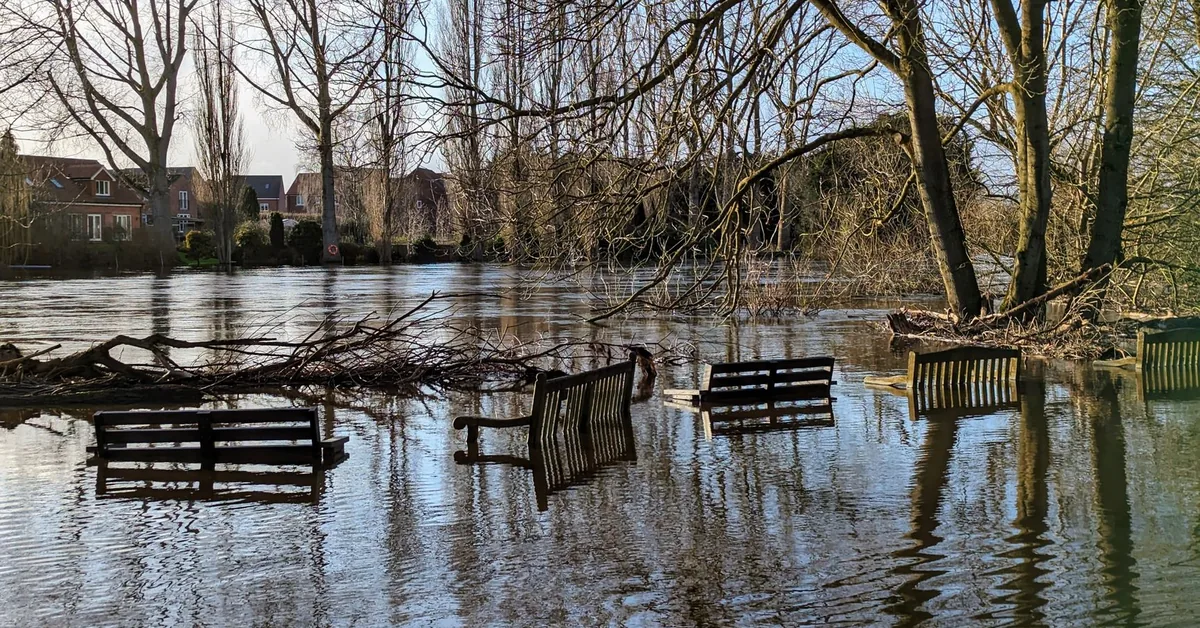
Pexels - Mike Norris · original
In this article
UK homeowners in flood-risk areas should review their buildings and contents insurance now, as the autumn flood season approaches and the Flood Re scheme faces ongoing pressure from climate change and rising claims. Premiums in high-risk postcodes have increased, and some insurers are tightening eligibility criteria. If your property has flooded before or sits in an Environment Agency flood zone, confirm your current cover limits, excess, and policy renewal date, and consider speaking to an FCA-authorised insurance adviser about your options before winter weather arrives.
What Is Changing
Flood Re, the government-backed reinsurance scheme launched in 2016 to keep flood insurance affordable for high-risk homes, is under periodic review as climate projections show more frequent and severe flood events across the UK. According to the Association of British Insurers, the scheme was designed as a transitional measure to give the market time to adapt (ABI, 2024). While Flood Re currently caps premiums for eligible properties, insurers are raising baseline premiums to reflect actual flood risk, and some households built after 2009 fall outside Flood Re eligibility altogether.
Homeowners renewing buildings or contents insurance in 2026 may see higher premiums, larger excesses (the amount you pay before the insurer contributes), or stricter terms around flood-resilience measures such as flood barriers or raising electrics. Insurers are also using more granular flood-risk data from the Environment Agency, meaning two homes on the same street can now receive different quotes based on precise elevation and drainage.
Why This Matters Now
The UK flood season typically peaks between October and February, driven by Atlantic low-pressure systems and heavy rainfall. Homeowners who delay reviewing their cover until claims surge in autumn may face longer quote turnaround times or limited insurer appetite for high-risk postcodes. Renewing early, or switching insurers during the calmer summer months, gives you time to compare policies, negotiate terms, and confirm that flood damage (including storm-driven surface water and river flooding) is included in your buildings and contents cover.
MoneyHelper advises homeowners to check whether their policy covers both buildings damage (structural repairs, damaged walls, floors) and contents damage (furniture, carpets, appliances) from flooding, and whether accidental damage or subsidence caused by flood-related ground movement is included (MoneyHelper, 2024).
What You Should Do
Check your current policy wording and key facts document to confirm flood cover is in place, and verify the policy excess. If you live in a known flood zone or have made a flood claim in the past five years, obtain quotes from at least three insurers: Flood Re-backed policies vary by insurer, and comparing options can reveal significant differences in premium, excess, and cover limits.
Consider flood-resilience measures such as installing flood doors, moving utilities above ground-floor level, or using water-resistant materials during renovations. Some insurers offer premium discounts or lower excesses for homes with certified flood defences, though requirements vary by provider.
Citizens Advice recommends reviewing your policy annually and updating your insurer if you make home improvements that reduce flood risk, as these changes may lower your premium at renewal (Citizens Advice, 2024).
Next Steps
Request a free flood risk assessment from the Environment Agency or check your postcode on their online flood map to understand your property’s flood zone classification. Speak to an FCA-authorised insurance adviser or broker if you are struggling to obtain affordable cover or if your renewal premium has increased sharply. Confirm your policy renewal date and set a reminder to review your cover at least 30 days before expiry, giving you time to switch insurers if needed.
Important Disclaimer
This article provides general information about flood insurance in the UK and is not regulated financial advice. We are not authorised by the Financial Conduct Authority. Flood cover terms, premiums, excesses, and eligibility vary significantly by insurer, property location, flood history, and individual circumstances. Always read the policy wording, key facts document, and certificate of insurance in full, and confirm current terms with an FCA-authorised insurance adviser or broker before purchasing or renewing flood cover. For personalised advice on your flood risk or insurance options, consult an FCA-authorised adviser who can assess your specific situation and recommend appropriate cover.
Sources
- ABI Products and Issues (accessed )
- MoneyHelper Insurance Guidance (accessed )
- Citizens Advice Consumer Insurance (accessed )
Related articles

UK Homeowners Drop Coverage as Flood Insurance Costs Rise
Rising flood insurance costs are forcing some UK homeowners to drop cover. Understand why premiums are climbing and the risks of going uninsured.
Weighing the Risks of Flood Insurance in the UK
UK homeowners face flood insurance decisions. Learn how Flood Re works, assess your risk, and weigh costs against protection.

Flood Insurance in the UK: Who Needs It and How Flood Re Works
Learn who needs flood insurance in the UK, how Flood Re makes cover affordable for high-risk properties, and what protection you need against flood damage.
