Flood Insurance in the UK: Who Needs It and How Flood Re Works
Discover who needs flood insurance in the UK, how the Flood Re scheme helps high-risk homes get affordable cover, and what you need to know about protecting your property from flood damage.

Pexels - Helena Jankovičová Kováčová · original
In this article
Key Takeaway
Flood insurance is not a standalone policy in the UK. It forms part of buildings and contents insurance, covering damage from flooding. Homeowners and tenants in flood-risk areas often face high premiums or struggle to get cover, but the Flood Re scheme helps by capping premiums for eligible households, making flood protection more accessible and affordable across England and Wales.
Introduction
Flooding affects thousands of UK homes every year, causing significant property damage and financial loss. While many assume flood cover is automatic, it is not always included or affordable. Understanding who needs flood insurance, how it works within your buildings and contents policies, and how the Flood Re scheme operates can help you protect your home and belongings without paying excessive premiums.
1. Flood Insurance Is Part of Buildings and Contents Cover
In the UK, flood insurance is not sold as a separate policy. Instead, flood damage is covered under your buildings insurance (for the structure of your home) and contents insurance (for your belongings). When you buy a standard home insurance policy, flood cover is typically included, but the premium and excess will reflect your property’s flood risk. According to the Association of British Insurers, most policies will cover flood damage unless it is explicitly excluded (ABI, 2026).
2. Who Needs Flood Insurance?
Anyone who owns or rents a property in the UK should consider flood cover, but it is especially critical for:
- Homeowners in flood-risk areas: Properties near rivers, coasts, or low-lying areas face higher flood risk. Buildings insurance with flood cover protects your home’s structure, while contents insurance covers your possessions.
- Tenants: Landlords insure the building, but tenants need their own contents insurance to protect personal belongings from flood damage.
- Landlords: Buy-to-let properties require buildings insurance with flood cover. Some landlords also take out contents insurance if the property is let furnished.
- Leaseholders: Leaseholders typically need both buildings and contents cover, depending on the terms of the lease and what the freeholder’s policy covers.
Even if your property is not in a designated flood zone, flooding can happen anywhere due to heavy rainfall, blocked drains, or burst water mains.
3. What Flood Re Is and How It Works
Flood Re is a government-backed scheme launched in 2016 to make flood insurance more affordable for households at high risk of flooding. It is a reinsurance pool that insurers can use to cap the flood-risk element of home insurance premiums. As explained by Flood Re, the scheme applies to properties built before 1 January 2009 in England and Wales (Flood Re, 2026).
When you buy a policy, your insurer may place the flood risk portion of your cover into the Flood Re pool, capping your premium based on your council tax band rather than your actual flood risk. This means two households in the same council tax band pay similar flood premiums, regardless of whether one is in a high-risk area and the other is not.
4. Who Is Eligible for Flood Re?
Not every household qualifies for Flood Re. Eligibility depends on:
- Property type: Residential homes built before 1 January 2009 are eligible. Properties built after this date, or those designed to mitigate flood risk, are excluded.
- Location: The scheme covers England and Wales only. Scotland and Northern Ireland have separate arrangements.
- Use: The property must be a residential dwelling. Buy-to-let properties are eligible, but second homes, commercial premises, and certain high-value properties are not.
- Council tax band: Properties in council tax bands A to H are eligible, but Band H properties in England face additional restrictions.
Leasehold properties are eligible if the lease has more than 21 years remaining and the leaseholder is responsible for insuring the building.
5. How Flood Re Affects Your Premium and Excess
Flood Re caps the flood element of your premium, but it does not cap the total cost of your insurance. Other factors, such as crime rates, subsidence risk, and the rebuild cost of your home, still influence your overall premium. Your insurer sets the excess (the amount you pay towards a claim), which can be higher for flood claims if your property is in a high-risk area. MoneyHelper recommends comparing quotes from multiple insurers to find the best combination of premium and excess (MoneyHelper, 2026).
6. What Flood Insurance Covers (and What It Does Not)
Flood insurance through your buildings and contents policies typically covers:
Read also: Weighing the Risks of Flood Insurance in the UK
- Damage to the structure of your home, including walls, floors, and fixed fittings (buildings insurance).
- Damage to your possessions, such as furniture, electronics, and clothing (contents insurance).
- Costs associated with temporary accommodation if your home is uninhabitable after a flood.
Flood insurance generally does not cover:
- Flooding caused by poor maintenance, such as unrepaired leaks or blocked gutters.
- Damage to garden features, fences, or outbuildings unless specifically included.
- Wear and tear or gradual deterioration.
Always read your policy wording and key facts document to confirm what is and is not covered.
7. How to Reduce Your Flood Risk and Lower Premiums
Even with Flood Re, taking steps to reduce your property’s flood risk can help you secure better terms:
- Install flood defences: Airbrick covers, flood barriers, and non-return valves can reduce the likelihood of flood damage.
- Improve drainage: Keep gutters, drains, and downpipes clear to prevent surface water flooding.
- Use flood-resistant materials: If you are renovating, consider waterproof flooring and raised electrical sockets.
- Check your flood risk: Use the government’s flood risk maps to understand your property’s vulnerability and take preventive action.
Some insurers offer discounts for properties with certified flood defences in place.
8. How to Make a Flood Insurance Claim
If your home floods, contact your insurer as soon as it is safe to do so. Take photographs of the damage, make a list of damaged items, and keep receipts for any emergency repairs or temporary accommodation. Your insurer will arrange for a loss adjuster to assess the damage and approve your claim. Be aware that flood claims can take longer to settle than other types of claims due to the extent of damage and the need for specialist drying and restoration work.
Conclusion
Flood insurance is a vital part of protecting your home and belongings in the UK, especially if you live in a flood-risk area. The Flood Re scheme has made cover more accessible and affordable for thousands of households, but it is important to understand your eligibility, compare policies, and take steps to reduce your flood risk. Always read the policy wording, confirm what is covered, and speak to an FCA-authorised insurance adviser if you have questions about your personal situation.
Financial Disclaimer: This article provides general information only and does not constitute regulated financial advice. We are not authorised by the Financial Conduct Authority. Flood insurance eligibility, cover, premiums, and exclusions vary by insurer, policy, and property. Always read the policy wording and key facts document, and consider speaking to an FCA-authorised insurance adviser for advice tailored to your personal circumstances. Verify current terms with your insurer before making decisions.
Sources
- Flood Re - Making Flood Insurance More Affordable (accessed )
- Insurance Products and Issues (accessed )
- Insurance Guidance (accessed )
- Principles of Finance (accessed )
Related articles
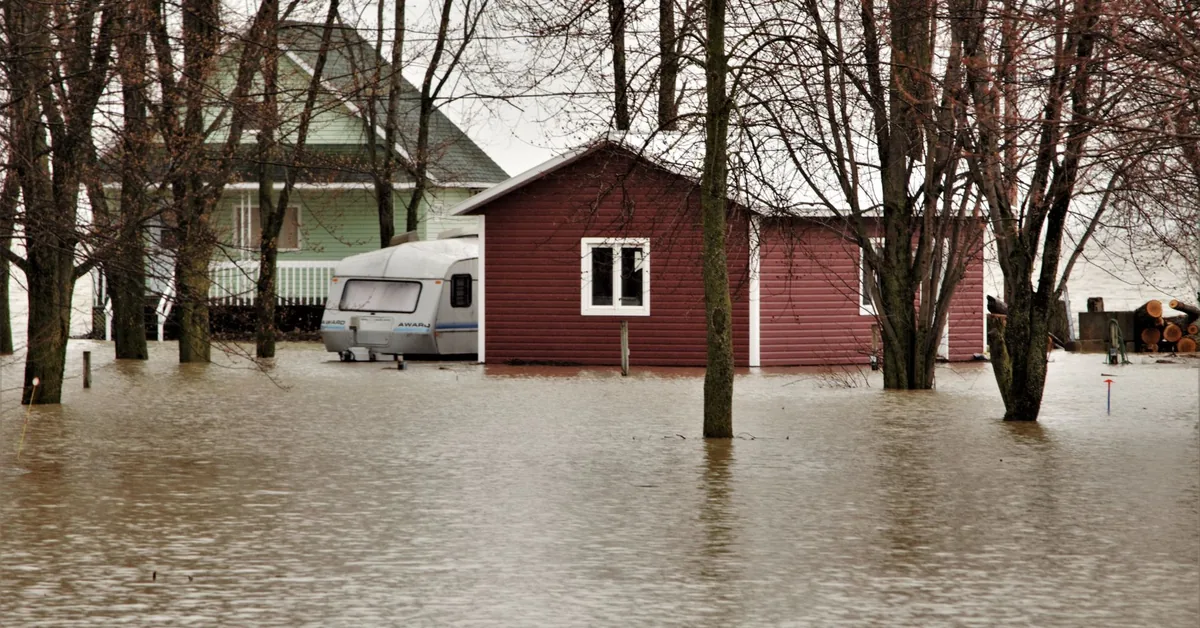
Weighing the Risks of Flood Insurance in the UK
UK homeowners face flood insurance decisions. Learn how Flood Re works, assess your risk, and weigh costs against protection.
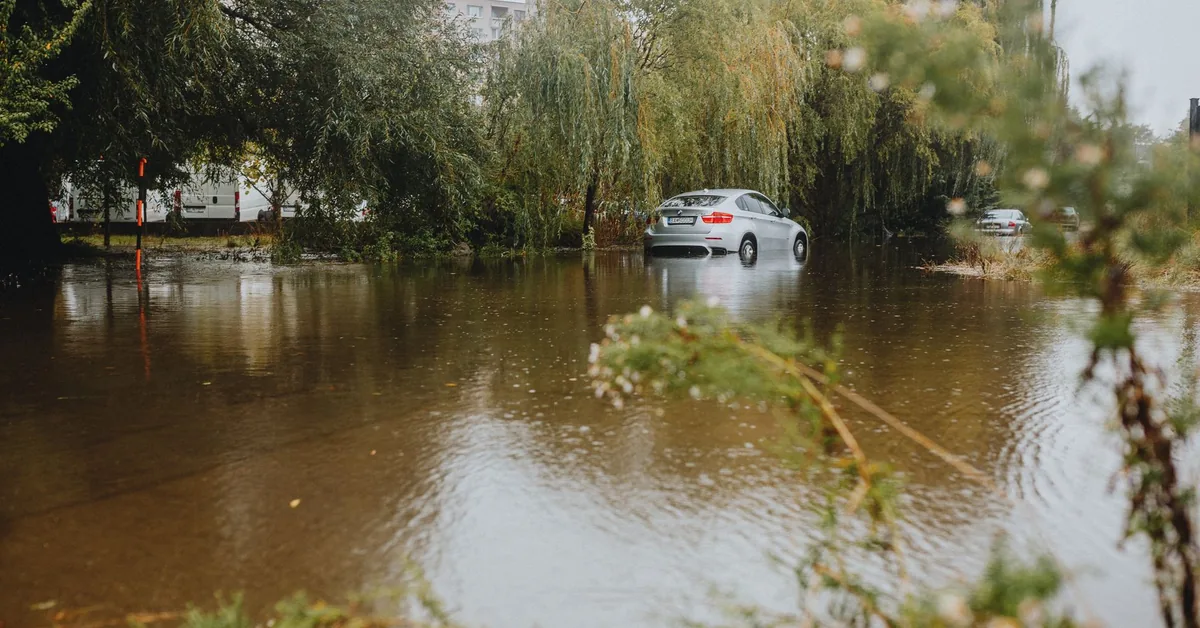
Why UK Homeowners Should Review Flood Insurance Before Winter Flood Season
UK homeowners should review flood insurance before winter. Learn about Flood Re, what's covered, and how to protect your property from rising flood risk.
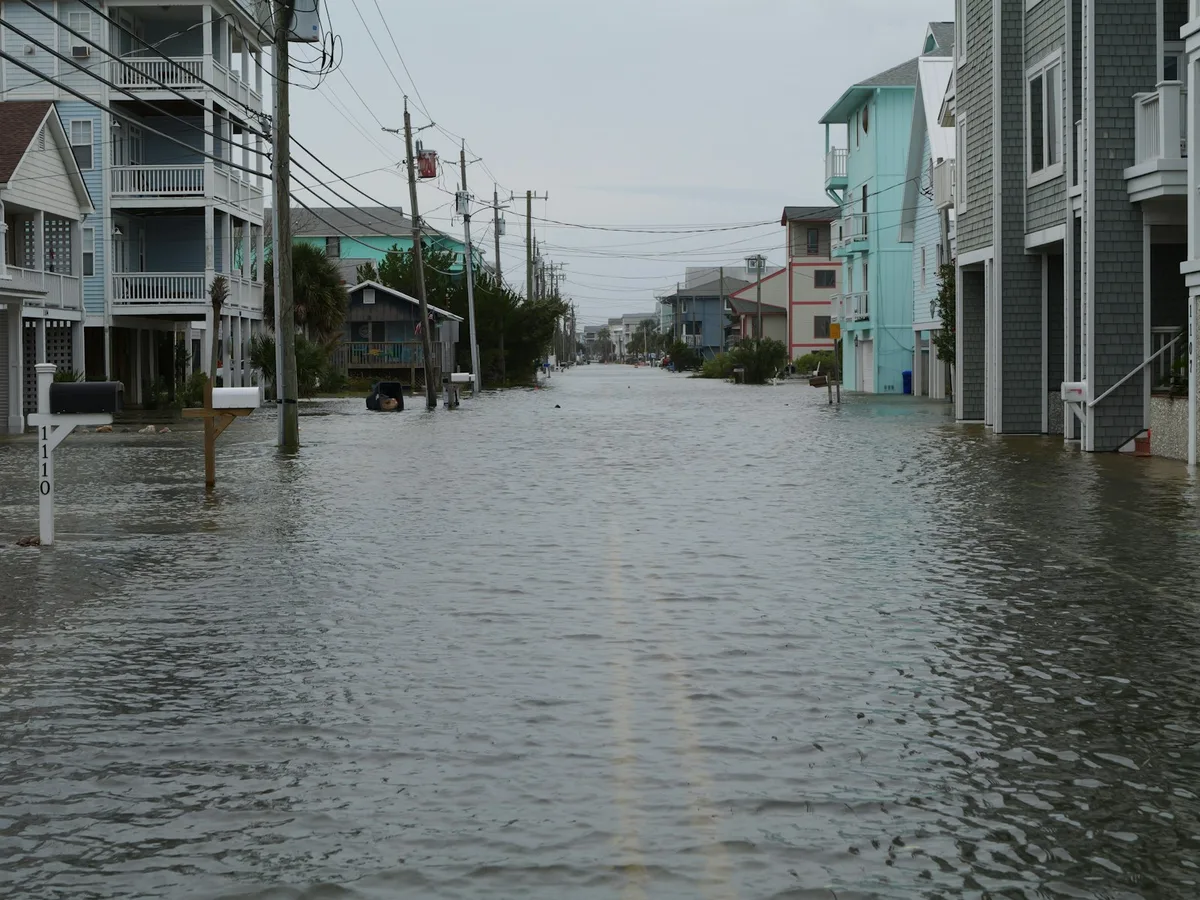
What UK Homeowners Need to Know About Flood Insurance
UK flood insurance explained: how Flood Re works, when you need cover, and what buildings and contents policies actually protect against flooding.
