UK Homeowners Drop Coverage as Flood Insurance Costs Rise
Rising flood insurance premiums are pushing some UK homeowners to drop buildings and contents cover, leaving properties vulnerable to flood damage.

Pexels - Civan D. · original
In this article
Key Takeaway
Rising flood insurance costs are pushing some UK homeowners to drop buildings and contents cover, particularly in flood-prone areas. Premiums have climbed due to increased flood risk from climate change, higher claims costs, and reinsurance pressures. Going uninsured leaves your property vulnerable to damage that can cost tens of thousands of pounds to repair, and mortgage lenders typically require buildings insurance as a condition of the loan.
Why Flood Insurance Costs Are Rising in the UK
Flood insurance premiums have increased sharply across many parts of the UK, driven by a combination of climate, claims, and market factors. More frequent and severe flooding events, linked to climate change, have led insurers to reassess risk and raise premiums in flood-prone postcodes. According to the Association of British Insurers, the cost of flood damage claims has risen substantially in recent years, putting upward pressure on premiums (ABI, 2026).
Reinsurance costs, which insurers pay to protect themselves against large-scale flood events, have also climbed. These costs are passed on to policyholders through higher premiums. Properties in high-risk flood zones, particularly those not covered by Flood Re (such as homes built after 2009 or commercial properties), face the steepest increases.
Some homeowners, particularly those on fixed incomes or facing affordability pressures, are choosing to drop buildings or contents insurance entirely rather than pay the higher premiums. Others are raising their voluntary excess to reduce the annual cost, though this increases the out-of-pocket expense if a claim is made.
The Role of Flood Re
Flood Re is a government-backed reinsurance scheme designed to make flood insurance more affordable and available for homes at high flood risk. It applies to properties built before 1 January 2009 and allows insurers to pass the flood risk element of a policy to Flood Re at a capped premium, keeping overall costs lower for homeowners (Flood Re, 2026).
However, Flood Re does not cover all properties. Homes built after 2009, commercial properties, and buy-to-let properties with more than three dwellings are excluded. For these properties, cover can be difficult to obtain or prohibitively expensive. Even for properties eligible for Flood Re, some insurers may not participate in the scheme or may offer limited cover.
The Risks of Dropping Home Insurance
Dropping buildings or contents insurance to save on premiums creates significant financial risk. Flood damage to a home can easily cost £20,000 to £50,000 or more to repair, depending on the severity and the property type. Without insurance, homeowners must pay these costs out of pocket.
If you have a mortgage, your lender will almost certainly require you to maintain buildings insurance as a condition of the loan. Dropping cover breaches the mortgage terms and may result in the lender arranging insurance on your behalf at a higher cost, or in extreme cases, taking action to protect their security.
Read also: Weighing the Risks of Flood Insurance in the UK
Contents insurance is not legally required, but losing your belongings to flood damage without cover means replacing furniture, electronics, clothing, and personal items at your own expense. Flood damage often affects ground-floor contents, kitchens, and storage areas, where replacement costs can quickly add up.
What to Do If Premiums Are Unaffordable
Before dropping cover, explore ways to reduce your premium while maintaining protection. Increase your voluntary excess (the amount you pay towards a claim) to lower the annual cost, though only to a level you can afford if you need to claim. Shop around at renewal: flood insurance costs vary between insurers, and some may offer better rates for your postcode. Consider paying annually rather than monthly to avoid interest charges.
If your property is eligible for Flood Re and your current insurer does not participate, contact other insurers who do. MoneyHelper and the British Insurance Brokers’ Association (BIBA) can help you find insurers and brokers who specialise in flood-risk properties (MoneyHelper, 2026).
If affordability remains an issue, speak to an FCA-authorised insurance adviser or broker about your options. Dropping cover entirely should be a last resort, given the financial exposure and potential mortgage breach.
Disclaimer: This article provides general information only and is not regulated financial advice. We are not authorised by the Financial Conduct Authority. Coverage, exclusions, premiums, and Flood Re eligibility vary by insurer, property, and postcode. Always read the policy wording, the key facts document, and confirm current terms with an FCA-authorised insurance adviser or broker before making a decision about your cover. If you have a mortgage, check your lender’s insurance requirements before making any changes to your policy.
Sources
- Flood Re - About Flood Re (accessed )
- Products and Issues - Insurance Guidance (accessed )
- Insurance - MoneyHelper (accessed )
Related articles
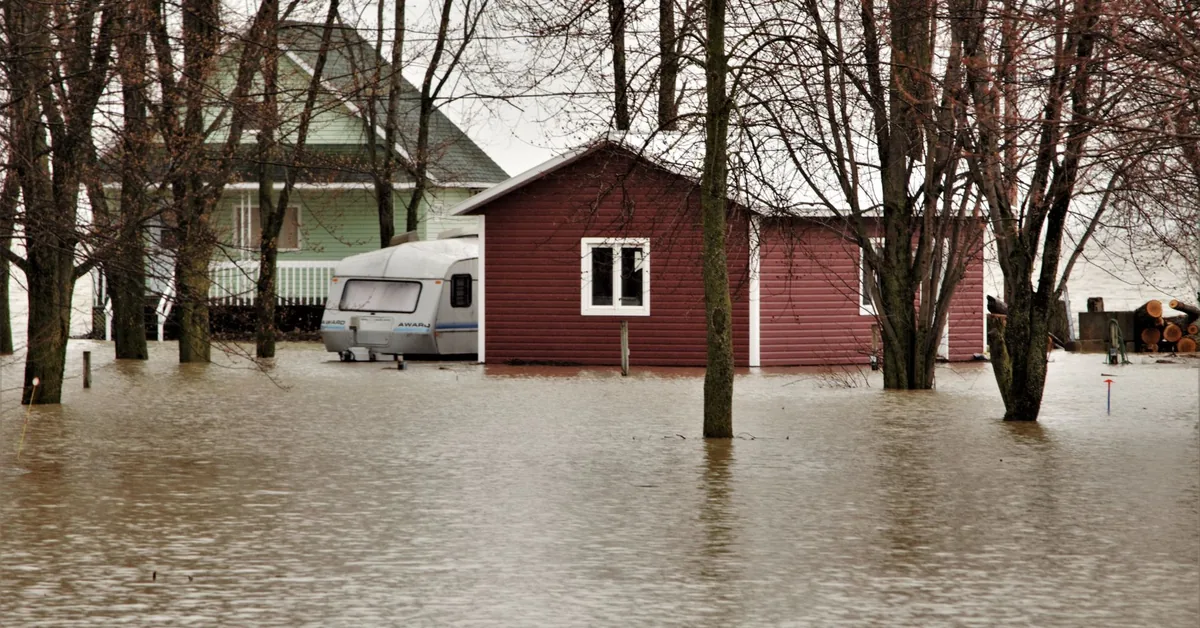
Weighing the Risks of Flood Insurance in the UK
UK homeowners face flood insurance decisions. Learn how Flood Re works, assess your risk, and weigh costs against protection.
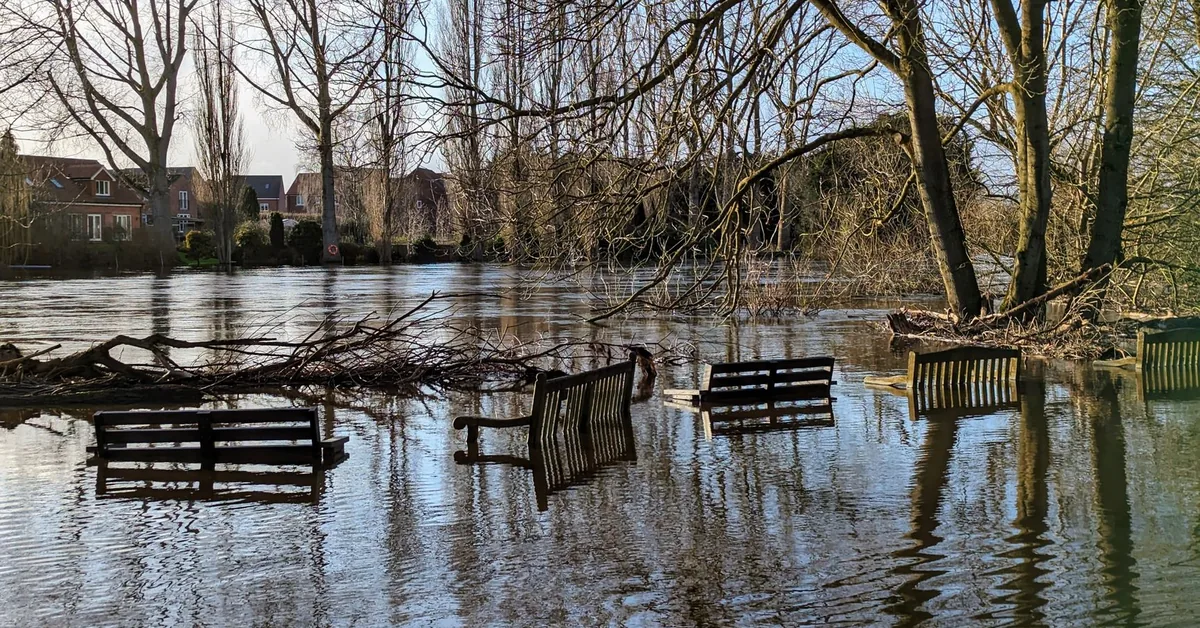
Flood Insurance Changes in the UK as Flood Season Approaches
UK homeowners should review flood insurance now as the autumn flood season approaches, with potential changes to Flood Re and rising premiums.

Flood Insurance in the UK: Who Needs It and How Flood Re Works
Learn who needs flood insurance in the UK, how Flood Re makes cover affordable for high-risk properties, and what protection you need against flood damage.
