How Flood Risk Impacts Home Insurance Premiums in the UK
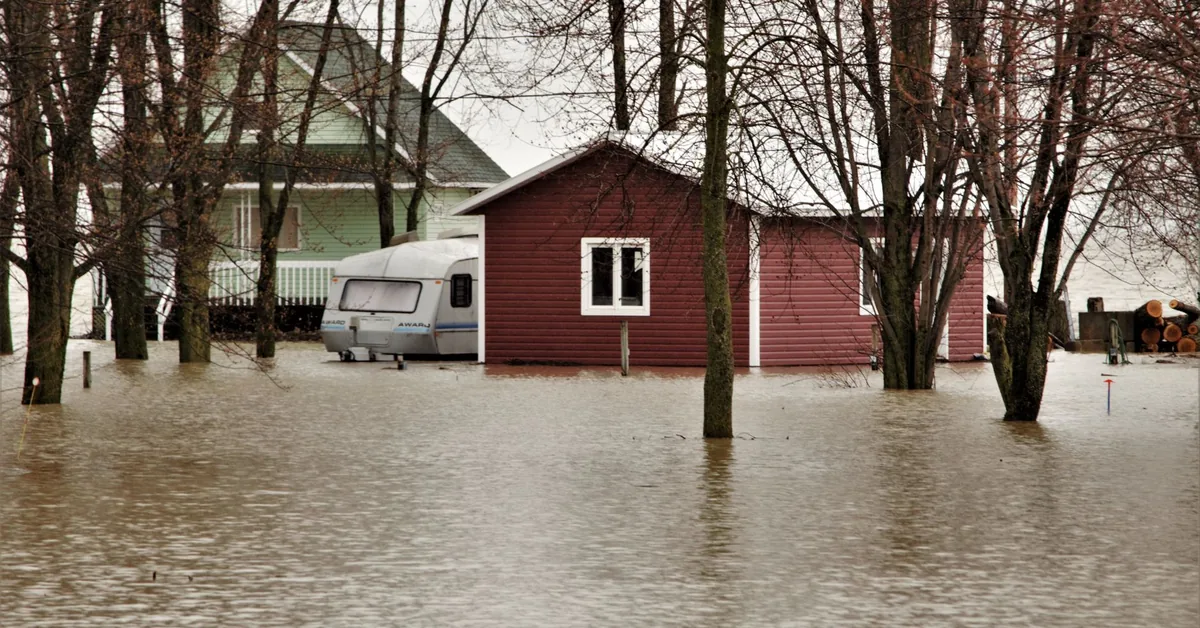
Flood risk is one of the most significant factors insurers use to calculate home insurance premiums, with properties in high-risk areas often facing substantially higher costs or limited cover options.

Pexels - Helena Jankovičová Kováčová · original
In this article
Key Takeaway
Flood risk directly increases home insurance premiums because insurers price policies based on the likelihood and potential cost of claims. Properties in high-risk flood zones face significantly higher premiums, with some insurers declining cover altogether. The Flood Re scheme exists to cap premiums for at-risk properties in the UK, ensuring buildings insurance remains available and affordable for homes built before 2009.
Understanding the Flood Risk Premium
When you apply for buildings or contents insurance, your postcode triggers an immediate flood risk assessment. Insurers use detailed mapping data, historical flood records, and environmental models to determine whether your property sits in a low, medium, or high-risk flood zone. That classification feeds directly into the premium calculation, often adding hundreds of pounds annually to policies in vulnerable areas.
The mechanism is straightforward: higher risk means higher expected payout, which insurers pass to you as a higher premium. A terraced house on a floodplain may pay three to five times the premium of an identical property on higher ground, purely because the insurer anticipates a greater probability of water damage claims.
Why Insurers Care About Flood Risk
Insurance pricing rests on actuarial assessment of risk, a principle covered in foundational finance texts such as Principles of Finance. Flood claims are among the most expensive in home insurance. A single event can cause tens of thousands of pounds in damage to structures, furnishings, electrical systems, and personal belongings. Repeated flooding can make a property effectively uninsurable under standard market terms.
According to the Association of British Insurers, around 5.2 million UK properties are at some level of flood risk from rivers, the sea, or surface water (ABI, 2024). With climate projections suggesting increasing rainfall intensity and rising sea levels, insurers must price policies to remain financially sustainable over the long term. Underestimating flood risk would lead to underpriced premiums, unsustainable losses, and potential insurer insolvency.
How Flood Risk Is Assessed
Insurers typically purchase flood risk data from specialist environmental modelling firms. These models combine:
- Proximity to watercourses: distance from rivers, streams, estuaries, and coastlines.
- Elevation and topography: whether the property sits in a natural basin or on elevated land.
- Drainage infrastructure: the capacity of local drainage systems and whether they have overflowed historically.
- Surface water flooding: risk from intense rainfall overwhelming urban drainage, independent of rivers.
- Historical claims: whether the property or its postcode has experienced flood damage previously.
Each factor contributes to a risk score. A property 200 metres from a river with a history of overtopping its banks during heavy rain will score far higher than a hillside cottage miles from any watercourse. The score translates to a premium loading, often applied as a percentage increase to the base rate.
The Pricing Impact
Premiums in high-risk areas can become prohibitively expensive. Before the introduction of Flood Re in 2016, some homeowners faced annual buildings insurance premiums exceeding £5,000, with compulsory excesses (the amount you pay before the insurer covers the rest) reaching £10,000 or more. Others found themselves entirely unable to obtain cover, rendering properties unmortgageable and unsellable.
Even moderate flood risk can add £200 to £500 annually to a standard policy. Insurers also commonly impose flood-specific excesses, requiring you to pay the first £1,000 to £2,500 of any flood claim yourself, separate from the general policy excess.
Flood Re: Capping Premiums for At-Risk Properties
Flood Re is a joint initiative between the UK government and the insurance industry, designed to ensure affordable flood cover for at-risk homes. It operates as a reinsurance pool: insurers cede flood risk from eligible properties to Flood Re, which caps the premium the insurer can charge you based on your council tax band, not your actual flood risk (Flood Re, 2024).
Read also: What UK Homeowners Need to Know About Flood Insurance in the UK
For example, a Band D property’s flood premium element is capped at around £210 annually, regardless of whether it sits in a 1-in-10-year or 1-in-100-year flood zone. The insurer still prices the non-flood elements (fire, theft, subsidence) normally, so your total premium may still be higher than a low-risk property’s, but the flood component is controlled.
Flood Re eligibility requires the property to have been built before 1 January 2009 and to be a residential building (not a commercial property or a buy-to-let with four or more dwellings). If your property qualifies, your insurer automatically cedes the flood risk to Flood Re when you purchase a policy, applying the capped rate without requiring any action from you.
What Else Affects Your Premium
Beyond the postcode flood risk score, insurers consider:
- Property age and construction: older properties with solid walls may be more vulnerable to water ingress.
- Flood defences: presence of property-level protection (flood doors, barriers, sump pumps) or community flood defences can reduce premiums.
- Claims history: a previous flood claim, even if settled, may increase future premiums for several years.
- Cover level: comprehensive buildings and contents policies cost more than buildings-only or limited contents cover.
You can reduce premiums by installing flood resilience measures, increasing your excess voluntarily, or bundling policies with the same insurer. Always compare quotes from multiple providers, as underwriting approaches and risk appetites vary significantly across the market.
Practical Steps
If you live in a flood-risk area, obtain a quote from at least three insurers. Ask whether the policy is ceded to Flood Re and confirm the flood-specific excess. Review your local authority’s flood risk maps and consider whether property-level resilience measures (such as airbrick covers or non-return valves) could reduce your risk and potentially your premium at renewal.
For current premium caps, policy terms, and eligibility criteria, consult Flood Re directly or speak with an FCA-authorised insurance broker who can access Flood Re-backed policies on your behalf (MoneyHelper, 2024).
Conclusion
Flood risk is a primary driver of home insurance premiums in the UK, with insurers pricing policies to reflect the statistical likelihood and financial severity of claims. Properties in high-risk zones face substantially higher costs, but the Flood Re scheme caps flood-related premiums for eligible homes, ensuring cover remains accessible. Understanding how your property’s flood risk is assessed and what options exist to manage both the risk and the cost allows you to make informed decisions when purchasing or renewing buildings and contents insurance.
Financial Disclaimer: This article provides general information only and does not constitute regulated financial advice. UmbrellaOwl is not authorised by the Financial Conduct Authority. Insurance needs, flood risk, premiums, and eligibility for schemes such as Flood Re vary by property, location, and insurer. Always verify current terms, cover limits, excesses, and Flood Re eligibility with an FCA-authorised insurance adviser or broker before purchasing or renewing a policy. Read the policy wording, key facts document, and statement of demands and needs carefully, and consider seeking independent advice for your personal circumstances.
Sources
- Flood Re - Making flood cover more affordable and available (accessed )
- Products and Issues - Insurance Industry Guidance (accessed )
- Insurance - Making the most of your money (accessed )
- Principles of Finance (accessed )
Related articles

What UK Homeowners Need to Know About Flood Insurance in the UK
UK homeowners' guide to flood insurance: what's covered, how Flood Re works, and when you need specialist flood cover for your property.

Flood Insurance in the UK: Who Needs It and How Flood Re Works
Learn who needs flood insurance in the UK, how Flood Re makes cover affordable for high-risk properties, and what protection you need against flood damage.
Weighing the Risks of Flood Insurance in the UK
UK homeowners face flood insurance decisions. Learn how Flood Re works, assess your risk, and weigh costs against protection.
