How Birmingham's Weather Affects Home Insurance Premiums in the UK
Birmingham's high rainfall and flood risk directly influence home insurance costs and cover availability, particularly for properties in flood zones.
Pexels - Engin Akyurt · original
In this article
Key Takeaway
Birmingham’s weather patterns, particularly high annual rainfall and flood risk from the River Rea and River Cole, directly affect home insurance premiums and cover availability. Properties in flood-risk zones typically face higher premiums, restricted cover or requirements to join the Flood Re scheme, while insurers also account for subsidence risk linked to clay soil and wet-dry cycles when setting prices.
Introduction
Where you live in the UK shapes what you pay for home insurance, and Birmingham’s weather is no exception. The West Midlands city experiences higher-than-average rainfall, urban flooding from rivers and surface water, and ground movement linked to clay soils. Insurers assess these weather-related risks when calculating premiums for buildings and contents cover, meaning Birmingham homeowners often see different pricing compared to drier, lower-risk regions. Understanding how weather influences your policy helps you compare quotes, reduce costs and ensure adequate protection.
How Insurers Use Weather Data
Home insurance premiums reflect the statistical likelihood of a claim. Insurers analyse decades of weather records, flood maps, subsidence claims and postcode-level risk data to model exposure. According to the Association of British Insurers, weather-related claims, including flooding, storm damage and subsidence, account for a significant proportion of UK home insurance payouts each year (ABI, 2026). Birmingham’s postcode sectors vary in risk: properties near the River Rea, River Cole or Edgbaston Reservoir face higher flood probability, while certain soil types elevate subsidence concern. Insurers price these risks into the premium, sometimes adding flood excesses (the amount you pay before the insurer covers a claim) or excluding flood cover altogether for the highest-risk addresses.
Birmingham’s Key Weather Risks
Rainfall and Flooding
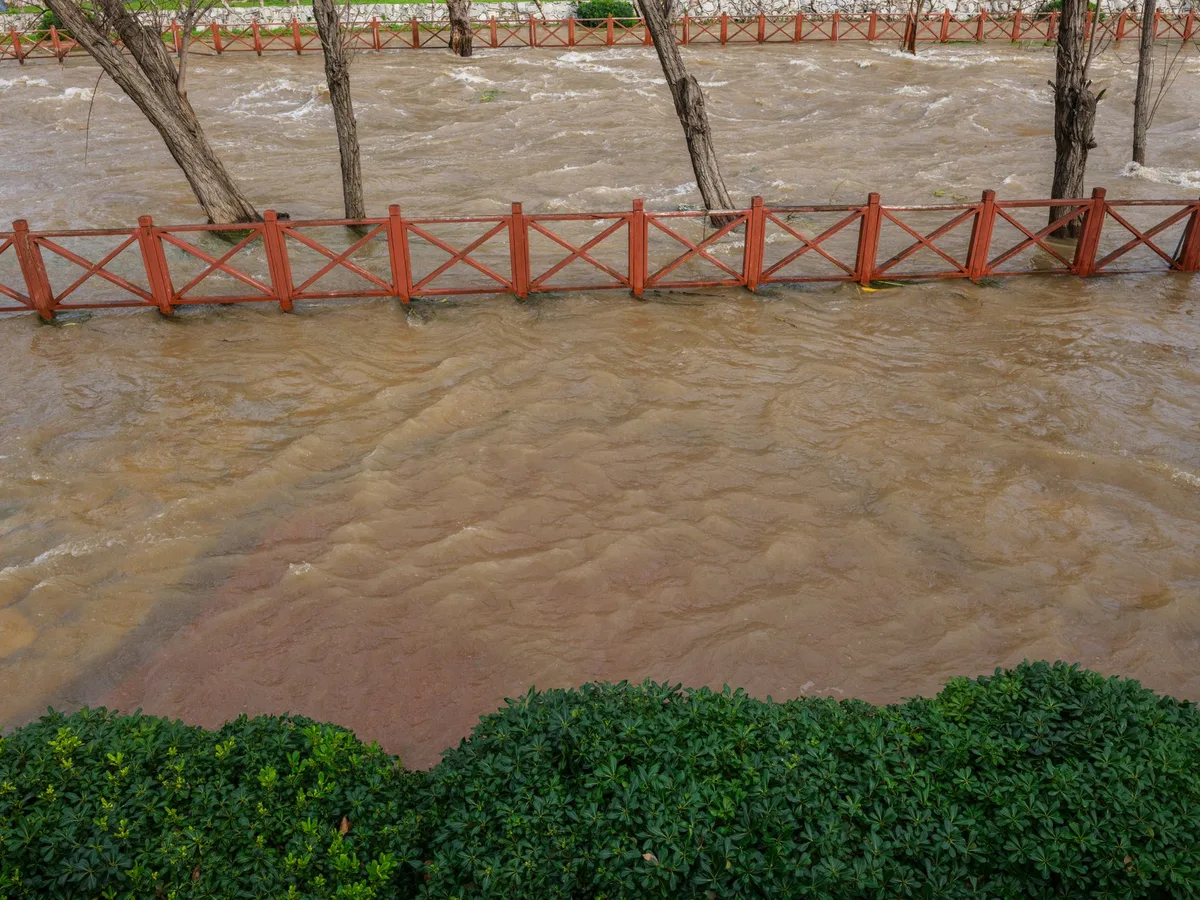
Birmingham receives around 800 mm of rainfall annually, above the UK average of approximately 700 mm. Heavy downpours overwhelm drainage in built-up areas, causing surface water flooding even where rivers are not nearby. The Environment Agency flood maps flag parts of Balsall Heath, Stirchley and areas along the River Rea as moderate to high flood risk. Homes in these zones may require specialist flood cover or qualify for the Flood Re scheme, a government-backed reinsurance programme that caps flood premiums for eligible properties (Flood Re, 2026). If your property is in a flood zone and standard insurers refuse cover or quote prohibitively, an insurer participating in Flood Re can offer a capped premium and full flood protection.
Subsidence
Birmingham sits on Mercia mudstone and clay, which shrink during dry spells and swell when wet. Repeated wet-dry cycles, exacerbated by heavy rain followed by warm summers, cause ground movement that cracks foundations and walls. Subsidence claims are costly, and insurers routinely check British Geological Survey data and past claims history when underwriting buildings insurance. Properties with a subsidence claim on record often face higher premiums, larger excesses or exclusions for future subsidence. Tree roots near buildings worsen the risk, as they extract moisture from clay during dry periods.
Storm Damage
Strong winds during autumn and winter storms can damage roofs, chimneys and fences. Birmingham’s urban landscape means flying debris, falling branches and tiles dislodged by gusts add to the claims tally. While storm damage is typically covered under standard buildings insurance, repeated claims in a postcode can nudge premiums upward for everyone in that area.
Read also: What to Do If You’re Considering Dropping Home Insurance in the UK
What This Means for Your Premium
If you live in a Birmingham postcode flagged for flood or subsidence risk, expect higher quotes compared to a similar property in a lower-risk region. Insurers may also impose conditions: a larger excess for flood claims (for example, £1,000 instead of £250), a requirement to maintain gutters and drains, or exclusion of flood cover entirely. According to MoneyHelper, shopping around and using a specialist broker can reveal insurers willing to cover higher-risk properties at competitive rates, particularly if you can demonstrate flood defences or recent drainage improvements (MoneyHelper, 2026).
How to Reduce Weather-Related Premiums
- Check your flood risk: Use the Environment Agency’s flood map for England to see if your property is in a flood zone. If eligible, ask insurers about Flood Re pricing.
- Install flood defences: Door barriers, airbrick covers and non-return valves can lower premiums or reduce excesses. Some insurers offer discounts if defences are professionally installed.
- Maintain your property: Keep gutters clear, repair roof tiles promptly and manage vegetation near foundations. Insurers view well-maintained homes as lower risk.
- Increase your excess voluntarily: Accepting a higher voluntary excess (the amount you pay before the insurer pays) lowers the premium, but only do this if you can afford the excess if you claim.
- Compare annually: Premiums and risk models change. Comparison sites and brokers specialising in flood or subsidence risk can find better deals.
Flood Re and High-Risk Properties
Flood Re was introduced to ensure flood cover remains affordable and available for homes built before 2009 in flood-risk areas. If your insurer participates in the scheme, they pass the flood risk portion of your policy to Flood Re, which caps your premium according to your council tax band. This keeps your total premium comparable to homes outside flood zones. As foundational texts such as Principles of Finance explain, insurance pricing relies on pooling risk across policyholders, and Flood Re effectively pools flood risk at a national level to prevent postcode-based exclusion. Not all insurers participate, so ask when comparing quotes and check the Flood Re website for the list of participating providers.
Financial Disclaimer
This article provides general information about how weather affects home insurance in Birmingham and is not regulated financial advice. We are not authorised by the Financial Conduct Authority. Home insurance cover, premiums, excesses and eligibility for schemes such as Flood Re vary by insurer, property and individual circumstances. Always read the policy wording, the key facts document and confirm details with an FCA-authorised insurance adviser or broker before purchasing or renewing cover. Premium figures and risk assessments are illustrative and subject to change; verify current terms with insurers directly.
Conclusion
Birmingham’s weather, particularly rainfall, flood risk and subsidence-prone soils, directly influences home insurance premiums and cover terms. Properties in flood zones or with past subsidence claims typically pay more or face restricted cover, but schemes such as Flood Re and proactive property maintenance can mitigate costs. Compare quotes annually, understand your specific risks and speak to a specialist broker if standard insurers decline cover. The right policy balances price with genuine protection against the weather risks Birmingham homeowners face.
Sources
- Products and Issues (accessed )
- Insurance Guidance (accessed )
- Flood Re Homepage (accessed )
- Principles of Finance (accessed )
Related articles

What to Do If You're Considering Dropping Home Insurance in the UK
Considering dropping your UK home insurance due to cost? Explore 6 practical alternatives that maintain protection while reducing premiums.

Storm Season Preparation: Your Home Insurance Coverage Review Checklist
Essential checklist to review your UK home insurance before storm season. Check buildings, contents, flood cover and exclusions.

How to Cut Your Home Insurance Premiums in the UK: Eight Top Tips
Discover eight practical ways to reduce your home insurance premiums in the UK while maintaining the cover you need.
