How Weather Forecasts Affect Home Insurance Premiums in the UK
Weather predictions rarely lower UK home insurance premiums immediately, but long-term trends in flood and storm risk do influence pricing over time.
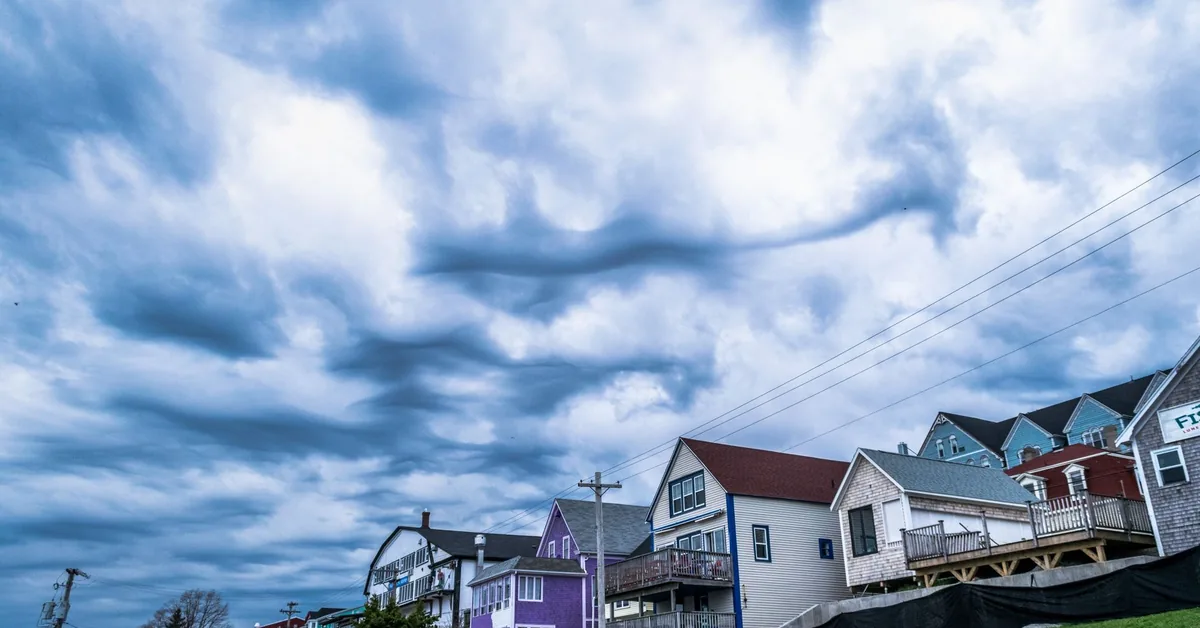
Pexels - Enrique · original
In this article
Key Takeaway
Weather forecasts predicting calmer storm seasons rarely reduce UK home insurance premiums immediately. Insurers price buildings and contents cover based on historical claims data, flood zone maps, and long-term risk models, not short-term seasonal predictions. While a sustained multi-year reduction in severe weather claims could eventually influence pricing trends, homeowners should not expect lower premiums based solely on favourable weather forecasts for the coming season.
How UK Insurers Price Home Cover
UK buildings and contents insurers calculate premiums using actuarial models that assess the risk of claims over multiple years. The main factors include your property’s postcode (which determines flood risk, subsidence zones, and local crime rates), the rebuild cost or sum insured, your claims history, and the excess you choose.
According to the Association of British Insurers, flood risk is a significant driver of home insurance pricing in the UK (ABI, 2026). Properties in areas designated as high flood risk by the Environment Agency face substantially higher premiums, or in some cases difficulty obtaining standard cover. Flood Re, the government-backed reinsurance scheme, was established specifically to make cover affordable for homes in flood-prone areas (Flood Re, 2026).
Weather Predictions and Premium Pricing
Seasonal weather forecasts, such as predictions of a quiet Atlantic storm season or reduced rainfall, do not typically trigger immediate premium reductions. Insurers rely on decades of historical data and sophisticated risk modelling, not short-term meteorological outlooks. A single year of fewer storms does not materially alter the long-term risk profile of a flood zone or coastal area.
However, sustained trends do matter. If a region experiences several consecutive years of lower-than-average storm damage or flooding, insurers may gradually adjust their risk models and premiums downward for that area. Conversely, repeated severe weather events, such as the widespread flooding seen across parts of England in recent years, lead to higher premiums and stricter underwriting.
What Actually Drives Premium Changes
Premiums rise or fall based on actual claims experience, not forecasts. If insurers pay out fewer flood or storm-damage claims over multiple years in a given postcode area, they may reduce premiums for properties there. But this adjustment happens slowly, and individual homeowners may not notice the change if other factors, such as inflation in rebuild costs or increases in theft claims, push premiums upward.
Read also: How to Compare Home Insurance Quotes in the UK: A Complete 2027 Guide
MoneyHelper advises homeowners to compare quotes annually and to consider steps that demonstrably reduce risk, such as installing flood defences, improving home security, or increasing the voluntary excess (MoneyHelper, 2026). These actions can lower your premium more reliably than hoping for a calm weather year.
Practical Next Step
If you live in a flood-risk area and your premiums are high, check whether your insurer participates in Flood Re. Policies backed by the scheme cap premiums based on council tax band rather than flood risk. For all homeowners, compare quotes from multiple insurers each renewal, as pricing varies significantly between providers even for the same property. Confirm current premium rates and cover terms with an FCA-authorised insurance adviser or broker for your specific circumstances.
Important Disclaimer: This article provides general information only and is not regulated financial advice. We are not authorised by the Financial Conduct Authority. Home insurance needs, cover availability, and pricing vary by property, location, insurer, and individual circumstances. Always read the policy wording and key facts document carefully. For personalised guidance on buildings and contents cover, including flood risk and excess options, speak to an FCA-authorised insurance adviser or broker who can assess your specific situation and recommend suitable policies.
Sources
- Products and Issues (accessed )
- Insurance Guidance (accessed )
- Flood Re (accessed )
Related articles
Home Insurance Premiums Are Falling in the UK: What to Do if Yours Is Still Too Expensive
UK home insurance premiums are falling. Learn 5 practical steps to lower your renewal quote if your policy is still too expensive.

Home Insurance Premiums Dip in the UK as Households Urged to Prepare for Autumn
UK home insurance premiums have dipped for the first time in years. Learn what's driving the change and how to prepare your home for autumn weather.
Home Insurance Premiums Fall 9% in the UK, with London and Scotland Seeing Sharpest Drops
Home insurance premiums in the UK dropped 9% year-on-year, with London and Scotland leading the decline. Find out what this means.
