The Impact of the Pandemic on Home Insurance Claims in the UK
The COVID-19 pandemic fundamentally altered home insurance claims patterns in the UK, with insurers reporting sharp increases in accidental damage and escape of water claims whilst burglary dropped to historic lows.

Pexels - Mikhail Nilov · original
In this article
Key Takeaway
The COVID-19 pandemic dramatically reshaped home insurance claims in the UK. With millions working from home during lockdowns, insurers saw substantial increases in accidental damage claims, escape of water incidents, and home office equipment losses. Simultaneously, burglary and theft claims fell to record lows as homes remained occupied throughout the day. These shifts led to changes in underwriting practices, policy terms, and premium calculations that continue to influence the market today.
Introduction
When the first national lockdown began in March 2020, few could have predicted the lasting impact on UK home insurance. Almost overnight, the British home transformed from a place we left each morning into a workspace, school, gym, and entertainment centre operating around the clock. This fundamental shift in how we used our homes triggered unprecedented changes in claims patterns that insurers are still analysing years later.
Understanding these changes matters whether you are reviewing your current buildings and contents cover or shopping for a new policy. The pandemic exposed gaps in traditional home insurance that many policyholders only discovered when filing claims, and it forced the industry to reconsider long-held assumptions about domestic risk.
The Surge in Accidental Damage Claims
The most immediate effect of lockdown was a sharp rise in accidental damage claims. With families spending entire days at home, the risk of everyday accidents multiplied. According to the Association of British Insurers, claims for spilled drinks on laptops, broken televisions from indoor ball games, and damage to furniture from home workout equipment all increased substantially during 2020 and 2021 (ABI, 2026).
Escape of water claims, historically one of the costliest categories for home insurers, rose as well. More people were present to notice leaks quickly, yet the volume of water usage, toilet flushes, showers, and dishwasher cycles increased dramatically with entire households at home all day. Older homes with ageing plumbing systems experienced particular strain.
Kitchen claims also spiked. With restaurants closed and families cooking three meals daily, worn hob controls, overloaded electrical circuits, and cooking fires all became more common. Many insurers reported claims from novice bakers who damaged ovens or caused small fires whilst attempting lockdown bread-baking projects.
The Collapse in Burglary and Theft
Whilst some claim types surged, others virtually disappeared. Burglary claims dropped to historic lows during lockdown periods, a direct result of homes being continuously occupied. The Office for National Statistics recorded significant decreases in domestic break-ins throughout 2020 and 2021, and insurers saw this reflected in their claims data.
This shift presented a dilemma for the industry. Traditional home insurance pricing models assume homes are empty during working hours on weekdays. With that risk eliminated, some consumer groups argued that premiums should fall. However, insurers pointed to the offsetting increases in other claim types and the general uncertainty about future risk patterns.
Home Office Equipment and Liability
The rapid shift to home working created an entirely new category of claims. Many employees brought company laptops, monitors, and other equipment home, often without clarifying whether their personal contents insurance covered business property. Standard home contents policies typically include some cover for business equipment, but limits are usually modest, around £2,500 to £5,000, and may not reflect the full value of modern home office setups.
Insurers also faced questions about liability cover. If a delivery driver tripped on a doorstep during a video call, or a client was injured visiting a home office, whose liability policy applied? These questions, well-established in commercial insurance and explored in foundational texts such as Principles of Finance, became pressing for ordinary households.
MoneyHelper and other consumer guidance services emphasized the importance of checking policy terms when working from home, particularly for self-employed individuals and those running businesses from residential properties (MoneyHelper, 2026).
Read also: Home Insurance Claims Rejected in the UK: 7 Common Reasons Why
Changes to Policy Terms and Premiums
The pandemic prompted many insurers to review and tighten policy wording. Some introduced specific exclusions or sub-limits for pandemic-related risks, particularly around business use. Others adjusted their approach to home office cover, offering enhanced limits or separate endorsements for remote workers.
Premium changes varied. While burglary risk decreased, the overall increase in claims frequency and the uncertainty about long-term behavioural changes made insurers cautious. Many maintained or increased premiums, citing the rise in accidental damage and escape of water claims, plus broader economic factors such as increased repair costs and supply chain disruptions affecting building materials.
The Financial Conduct Authority monitored how insurers treated customers during this period, particularly regarding fair premium pricing and clear communication about policy changes.
Ongoing Effects and What Policyholders Should Know
Even as life has largely returned to pre-pandemic patterns, the effects linger. Hybrid working remains common, meaning homes are still occupied more than they were before 2020. Insurers have adjusted their risk models to account for this, and the industry has a much richer dataset about how increased home occupancy affects claims.
For policyholders, the key lessons remain relevant. Check that your buildings and contents cover reflects how you actually use your home. If you work from home regularly, confirm your policy covers business equipment to the value you need. Review your accidental damage cover, as standard policies often make this an optional extra rather than automatic. Consider whether your excess level and cover limits still suit your circumstances, as many people upgraded their homes and possessions during lockdown.
According to Which?, comparing quotes annually remains the most effective way to ensure you are getting appropriate cover at a fair price, particularly given how much the market has changed since 2020 (Which?, 2026).
Conclusion
The pandemic served as an unprecedented natural experiment in home insurance risk. It revealed that our assumptions about how and when claims occur were based on patterns that could change dramatically almost overnight. For UK policyholders, the lesson is to regularly review cover in light of how you truly live, work, and use your home, rather than assuming traditional policy structures still fit your needs.
Insurers, meanwhile, have gained valuable data that continues to shape underwriting and pricing. The shift may have been sudden, but its effects on the home insurance market will likely persist for years to come.
Financial Disclaimer: This article provides general information only and is not regulated financial advice. We are not authorised by the Financial Conduct Authority. Home insurance policies, cover levels, exclusions, and premiums vary significantly by insurer and by individual circumstances. Always read the policy wording, the key facts document, and the terms and conditions before purchasing cover. For advice tailored to your personal situation, consider speaking to an FCA-authorised insurance adviser or broker.
Sources
- Products and Issues - Choosing the Right Insurance (accessed )
- Insurance - MoneyHelper (accessed )
- Insurance Reviews and Guides (accessed )
- Principles of Finance (accessed )
Related articles
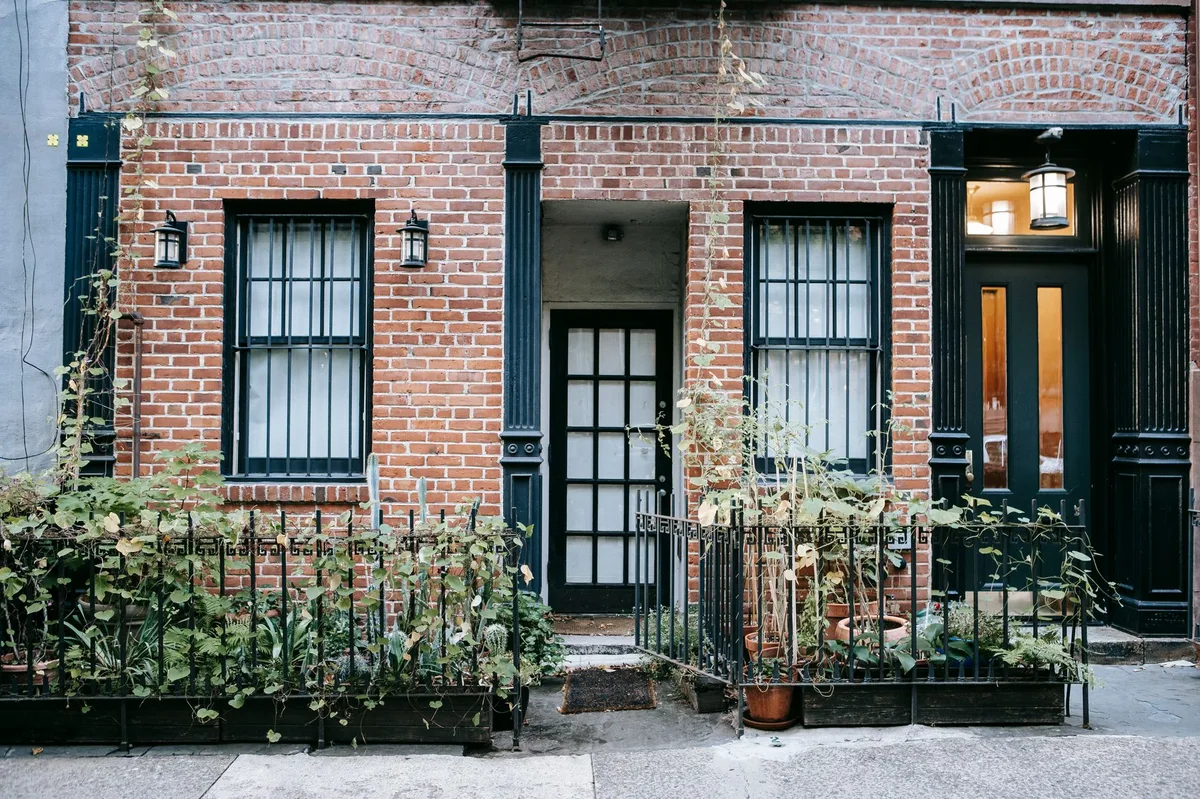
Most Common Home Insurance Claims in the UK
The most common UK home insurance claims include escape of water, theft, storm damage, and accidental damage. Learn what to watch for and how to prevent costly claims.
Why Home Insurance Premiums Have Risen 25% in the UK
UK home insurance premiums have risen 25% in three years. Learn why costs have soared and what homeowners can do to manage rising cover expenses.

Home Insurance Claims Rejected in the UK: 7 Common Reasons Why
Home insurance claim rejections are rising in the UK. Discover the 7 most common reasons insurers decline claims and how to protect yourself.
