What to Do If Your Home Insurance Seems Too Expensive in the UK
Home insurance premiums are falling nationally, but if yours hasn't budged, here are seven practical steps to bring your costs down.
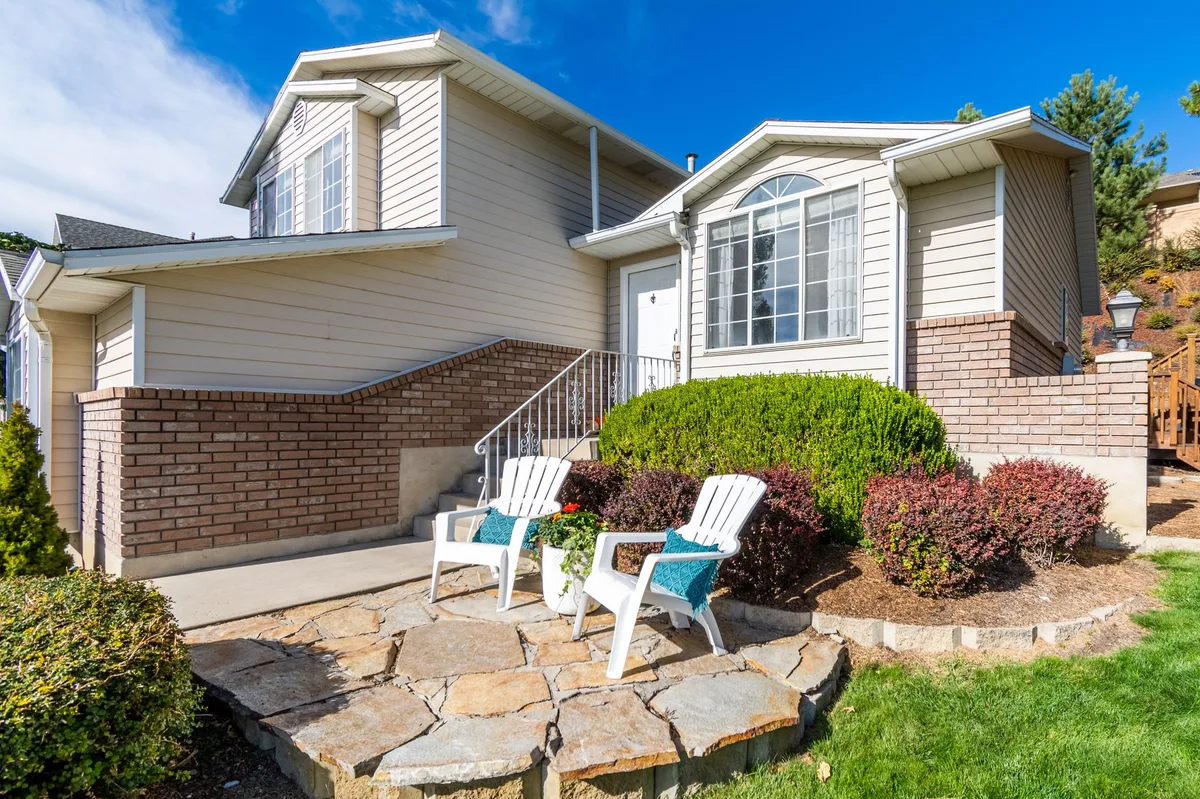
Pexels - Get Lost Mike · original
In this article
Key Takeaway
Home insurance premiums across the UK have fallen on average over the past year, but not every policyholder has seen a reduction. If your renewal quote seems stubbornly high, you are not locked in: shopping around, adjusting your cover level, increasing your voluntary excess, and reviewing your property details can each deliver meaningful savings. Many households overpay simply because they auto-renew without checking the market.
Industry data shows that the average combined buildings and contents premium has eased after sharp increases in prior years, driven by better claims experience and increased competition among insurers. Yet individual premiums vary widely based on property type, location, claims history, and the level of cover you hold. If your renewal notice arrives without a reduction, or even with an increase, the steps below will help you secure a fairer price.
1. Shop Around and Compare Quotes
Auto-renewal is the single biggest reason households overpay. Insurers often reserve their keenest pricing for new customers, so your existing provider may quote you more at renewal than a competitor would for identical cover. Use a comparison site to gather quotes from multiple insurers at least three weeks before your renewal date. Enter your property and cover details accurately so quotes reflect the policy you actually need. According to the Association of British Insurers, switching provider remains one of the most effective ways to cut costs, and the process typically takes under 15 minutes online.
Check that each quote offers the same cover type (buildings, contents, or combined), the same excess, and comparable limits for high-value items. A cheaper quote that excludes accidental damage or caps jewellery at half your current limit is not a like-for-like comparison. If you find a better deal, ask your current insurer if they will match it before you switch: some will, particularly if you have been a long-standing customer with no claims.
2. Review Your Cover Level and Sum Insured
Over-insurance pushes up your premium unnecessarily. For buildings insurance, your sum insured should reflect the rebuild cost of your home (the cost to demolish and reconstruct it from scratch), not its market value. Market value includes the land; rebuild cost does not. The Association of British Insurers publishes a rebuild cost calculator that estimates this figure based on your property type, size, and construction. If you insured your home years ago and have not reviewed the sum since, you may be paying for far more cover than you need.
For contents insurance, list your belongings room by room and total their replacement value. Many households insure contents at an arbitrary round figure without checking what they actually own. If your contents sum insured is £50,000 but your possessions are worth £30,000, you are overpaying. At the same time, under-insurance is risky: if you make a claim and the insurer finds you were under-insured, they may reduce the payout proportionally.
3. Check Your Property Details Are Accurate
Insurers price your premium based on the information you provide about your property. If your records show five bedrooms when you have four, or list non-standard construction when your home is brick-built, you may be paying more than you should. Review your policy schedule and confirm that the property type, number of bedrooms, construction type, and security features match reality. Equally, if you have recently added a burglar alarm, window locks, or a secure front door, tell your insurer: these features can qualify you for a discount.
Postcode matters too. If you have moved within your area or your postcode boundaries have changed, update your insurer. Premiums vary street by street based on local flood risk, crime rates, and claims history, so an outdated postcode can inflate your quote.
4. Increase Your Voluntary Excess
The excess is the amount you pay towards any claim before the insurer covers the rest. Most policies have a compulsory excess set by the insurer and a voluntary excess you can choose. Increasing your voluntary excess reduces your premium because you are taking on more of the risk. If you raise your voluntary excess from £100 to £250, you might save £30 to £50 a year on your premium.
Only increase your excess to a level you can afford to pay if you need to claim. Setting a £500 excess to shave £40 off your premium is false economy if a £600 claim would leave you struggling to find the excess. As explained in foundational texts such as Principles of Finance, risk transfer through insurance works best when the retained risk (your excess) balances affordability with premium savings.
Read also: Home Insurance Premiums Fall in the UK: How to Lower Your Price Further
5. Improve Your Home Security
Insurers reward homes that are harder to burgle. Fitting a burglar alarm that meets British Standard BS EN 50131 or installing five-lever mortice locks on external doors can lower your premium. Some insurers also offer discounts for properties with window locks, security lighting, or membership of a Neighbourhood Watch scheme. Check with your insurer which security measures qualify for a discount before you invest, and keep receipts and certification to prove the upgrades are in place.
Security improvements also reduce your actual risk of theft, so the benefit extends beyond the premium saving. If you live in a higher-risk postcode, the discount can be substantial.
6. Pay Annually Instead of Monthly
Paying your premium in one lump sum at the start of the policy year is almost always cheaper than spreading the cost over 12 monthly instalments. Monthly payments are effectively a form of credit: the insurer charges interest, typically at an APR of 15 per cent to 30 per cent, which can add £50 or more to the annual cost of a £300 policy. If you can afford the upfront payment, paying annually saves money and removes the risk of a missed direct debit cancelling your cover mid-year.
If the upfront cost is prohibitive, compare the APR your insurer charges for monthly payments with the rate on a low-interest credit card. Paying the annual premium on a 0 per cent purchase card and clearing the balance over the interest-free period avoids the insurer’s finance charge altogether.
7. Ask About Available Discounts
Insurers offer discounts that not all policyholders know to claim. Common examples include a no-claims discount if you have not made a claim in recent years, a multi-policy discount if you hold car insurance or life cover with the same provider, and a loyalty discount for long-standing customers (though as noted earlier, loyalty often costs more than switching). Some insurers discount premiums for members of certain professional bodies, trade unions, or alumni associations. Ask your insurer directly which discounts apply to you, and check whether buying both buildings and contents cover from the same provider reduces the combined cost.
According to MoneyHelper, households that actively manage their insurance and ask about discounts save an average of 20 per cent compared to those who auto-renew without question.
Conclusion
National trends show home insurance premiums easing, but individual quotes vary based on your property, location, and insurer. If your renewal seems too expensive, you have options: shop around for competitive quotes, review your cover level to avoid over-insurance, verify your property details, increase your voluntary excess, improve your home security, pay annually, and claim any discounts you qualify for. These steps combined can reduce your premium by hundreds of pounds a year while maintaining the cover you need.
Disclaimer: This article provides general information about home insurance in the UK and is not regulated financial advice. We are not authorised by the Financial Conduct Authority. Cover, exclusions, premiums, and discounts vary by insurer and by individual property. Before making a decision, read the policy wording and key facts document, and consider speaking to an FCA-authorised insurance adviser or broker who can assess your personal circumstances and recommend suitable cover. Verify current premiums and terms with an FCA-authorised adviser or the insurer directly before purchasing or renewing a policy.
Sources
- Principles of Finance (accessed )
- Everyday Money: Insurance (accessed )
- Products and Issues (accessed )
- Consumer Guidance (accessed )
Related articles

How to Cut Your Home Insurance Premiums in the UK: Eight Top Tips
Discover eight practical ways to reduce your home insurance premiums in the UK while maintaining the cover you need.

How to Get a Cheap Home Insurance Deal in the UK
UK home insurance premiums hit seven-year highs. Discover 7 proven ways to cut costs on buildings and contents cover without losing protection.

Home Insurance Costs Rise in the UK: 5 Ways to Save Money on Your Premiums
UK home insurance premiums are rising. Discover 5 proven ways to reduce your buildings and contents insurance costs while maintaining proper cover.
