Van Insurance for UK Tradespeople: What a Private Policy Does Not Cover
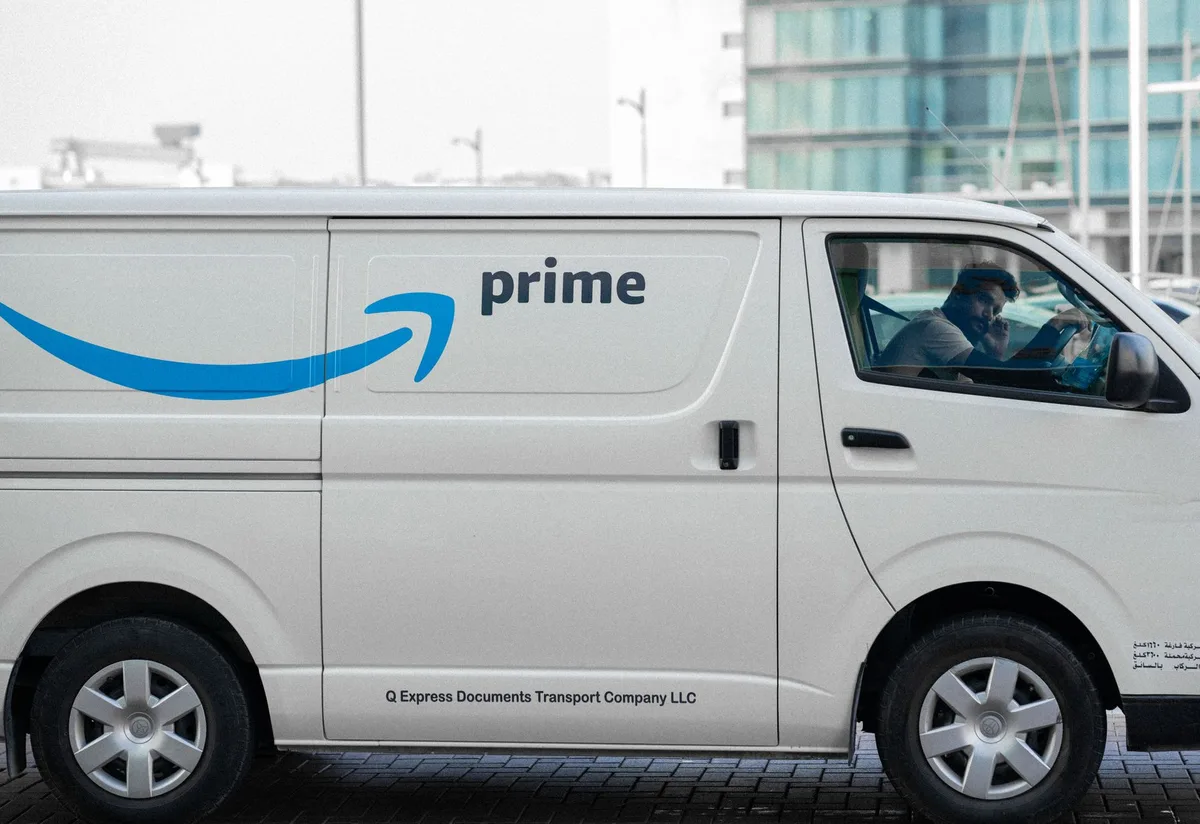
If you're a tradesperson using a van for work, a standard private policy leaves dangerous gaps in your cover.
Pexels - aboodi vesakaran · original
In this article
Key Takeaway
A standard private van policy only covers social, domestic, and pleasure use. If you use your van for trade, carry tools or stock, or transport customers, you are almost certainly driving without valid cover. Business use, goods in transit, tools, public liability, and employer’s liability are all excluded from private policies, and a claim for work-related damage or loss will be rejected. You need commercial van insurance that matches what you actually do.
Introduction
Many UK tradespeople buy or lease a van and insure it on a private motor policy because it looks cheaper. The premium is lower, the comparison sites show dozens of quotes, and the van is road-legal. But the moment you put a toolbox in the back or drive to a job, your policy is invalid. As covered in foundational business texts such as Introduction to Business, commercial activity requires commercial cover, and the gap between what a private policy promises and what a tradesperson needs can be financially catastrophic.
This list sets out exactly what a standard private van insurance policy in the UK does not cover, so you understand the real risks before your first claim.
1. Using the Van for Business or Trade
A private van policy covers social, domestic, and pleasure use only. The policy wording explicitly excludes business use, which means driving to a job site, carrying out paid work, or using the van to generate income. If you are a plumber, electrician, builder, gardener, courier, or any other self-employed tradesperson and you drive your van to a customer’s property or a site, you are in breach of your policy terms. In the event of an accident, your insurer will reject the claim and may void the policy entirely, leaving you personally liable for third-party costs, which can run into hundreds of thousands of pounds for serious injuries.
2. Tools and Equipment Stored in the Van
Private van insurance does not cover the contents of your vehicle beyond personal belongings. If you carry trade tools, power equipment, or specialist gear worth thousands of pounds, that stock is uninsured under a private policy. Commercial van cover includes tools-in-transit cover as standard or as an optional add-on, with a stated limit (often £2,000 to £10,000 or more, depending on the policy). Without it, theft of your tools leaves you unable to work and out of pocket, with no reclaim route.
3. Goods in Transit
If you transport materials, stock, or finished products for customers or for your own business, a private policy offers no protection. Goods in transit cover insures the items you carry against damage, theft, or loss while in the van. This is essential for couriers, delivery drivers, wholesalers, and tradespeople who collect materials from suppliers or deliver completed work to clients. The cover applies whether the goods belong to you or to a third party, and the limit can be tailored to the value you typically carry.
4. Public Liability
Public liability insurance protects you if a member of the public is injured or their property is damaged as a result of your work. A standard motor policy covers third-party injury or damage caused by the vehicle itself (for example, a collision), but it does not extend to liability arising from your trade activities. If a customer trips over your tools at a job site, or if faulty workmanship causes damage to their property, you need standalone public liability cover or a commercial van policy that includes it. Many trade policies bundle public liability up to £1 million, £2 million, or £5 million as standard. According to the Association of British Insurers, public liability is a non-negotiable requirement for most trade contracts and client agreements.
5. Employer’s Liability
If you employ anyone, even part-time or casual labour, you are legally required to hold employer’s liability insurance with a minimum cover of £5 million. This protects you if an employee is injured or falls ill as a result of their work. A private van policy does not include employer’s liability, and operating without it is a criminal offence in the UK, with fines of up to £2,500 per day. Commercial van policies for trade businesses often include employer’s liability as part of a bundled package, or you can arrange it separately through a business insurer.
6. Hire and Reward
Hire and reward cover is required if you carry passengers or goods for payment. This includes taxi drivers, private hire operators, driving instructors, couriers, and removal firms. A private policy explicitly excludes hire and reward use, so if you charge a fare, delivery fee, or lesson rate and you are involved in an accident, your claim will be declined. The Financial Conduct Authority’s consumer guidance confirms that using a vehicle for paying work without the correct cover can lead to prosecution under the Road Traffic Act, points on your licence, and an uninsured-driving conviction.
7. Breakdown and Recovery (Business Downtime)
Many private policies include or offer optional roadside assistance, but the recovery service typically does not cover business use or prioritise tradespeople who need to get back on the road quickly. Commercial breakdown policies are designed around minimising lost working time, with faster response guarantees, van-hire after breakdown, and cover for tools and stock in transit. If your van is your livelihood, the difference between a four-hour wait and a guaranteed one-hour callout can mean the difference between completing a job and losing a customer.
8. Modifications for Trade Use
Tradespeople often modify vans with racking, shelving, refrigeration units, or signage. Private policies may not cover non-standard modifications, or they may charge a loading without offering full protection if the modification is damaged. Commercial policies are written with the expectation that the van will be fitted out for work, and they cover both the vehicle and the professional modifications as a single insured risk.
What You Should Do Instead
If you use a van for trade, compare commercial van insurance quotes from specialist insurers who understand your occupation and risk profile. Declare your actual use, the value of tools and stock you carry, and any employees. Check the policy wording for goods-in-transit limits, public liability, employer’s liability, and breakdown cover. The premium will be higher than a private policy, but the cover is valid, and the protection is real. MoneyHelper offers free insurance comparison guidance for self-employed workers and small businesses.
Conclusion
A private van insurance policy is designed for personal errands, not for running a trade business. If you use your van to earn a living, carry tools, transport goods, or employ others, you need commercial van cover that matches your actual activity. The cost difference is not optional, it is the price of valid insurance. Review your current policy, speak to a specialist commercial insurer or an FCA-authorised broker, and close the cover gap before you make a claim that is rejected.
Financial Disclaimer: This article provides general information only and is not regulated financial advice. We are not authorised by the Financial Conduct Authority. Cover, exclusions, and premiums vary by insurer, policy, and individual circumstances. Read the policy wording, the key facts document, and the certificate of motor insurance carefully before purchasing. For personal advice on the right level of commercial van cover for your trade, occupation, and risk profile, consult an FCA-authorised insurance adviser or broker.
Sources
- Introduction to Business (accessed )
- Products and Issues (accessed )
- Insurance Guidance (accessed )
- Consumer Guidance (accessed )
Related articles

Comprehensive vs. Third-Party Car Insurance in the UK: Which Cover Is Right for Your Car Value?
Compare comprehensive and third-party car insurance in the UK. Learn which level of cover suits your vehicle value, budget, and driving needs.

Autumn Car Insurance Renewals in the UK: Your Switching and Saving Guide
Autumn is peak UK car insurance renewal season. Discover how to switch insurers, compare quotes, and cut your premium without losing cover.
How to Lower Your Car Insurance Premium at Renewal in the UK
Learn how to lower your UK car insurance premium at renewal with practical strategies including comparison shopping, excess adjustment, and no-claims protection.
