7 Essential Add-Ons for Winter Sports Insurance in the UK
Standard travel insurance rarely covers skiing or snowboarding. Here are the specific add-ons UK holidaymakers need before hitting the slopes.
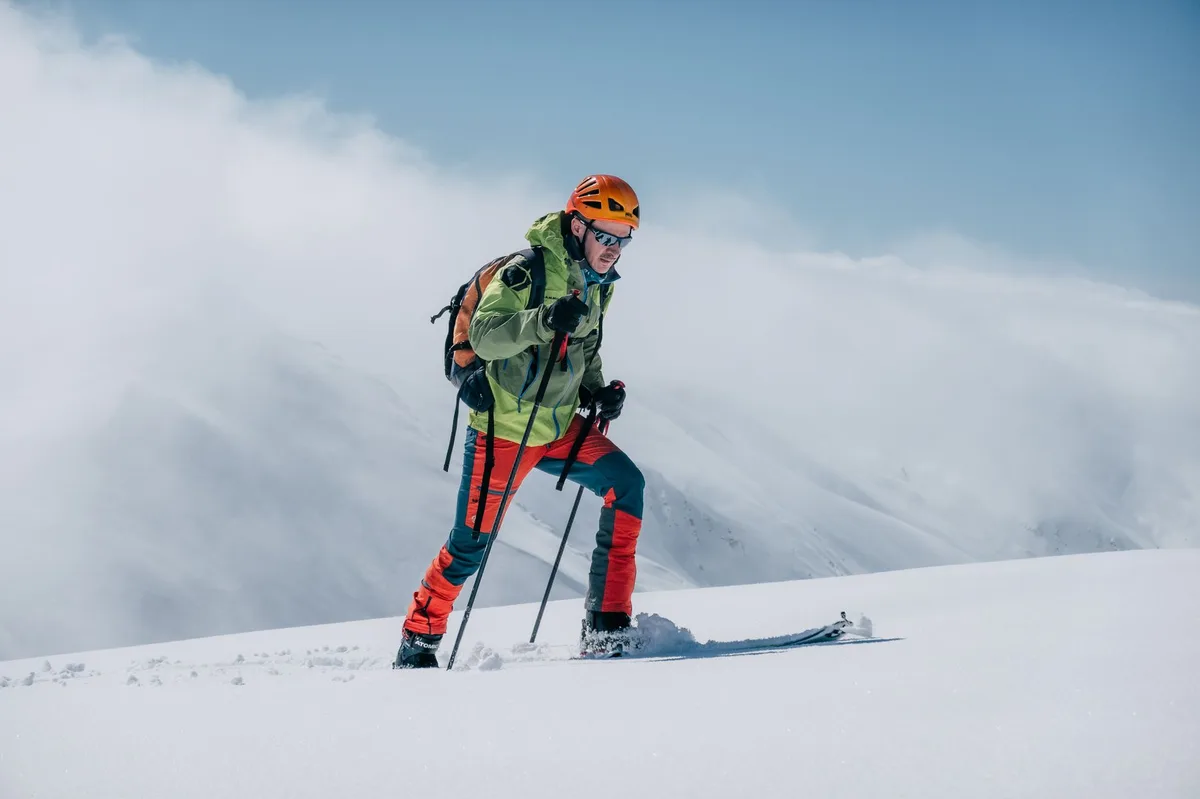
Pexels - Jordi Costa Tomé · original
In this article
Key Takeaway
Standard UK travel insurance policies exclude winter sports activities such as skiing and snowboarding. Before your ski holiday, you must add specialist winter sports cover to your policy or buy a dedicated winter sports travel insurance plan. Essential add-ons include off-piste cover, equipment protection, piste closure compensation, mountain rescue costs, elevated medical limits for alpine injuries, and personal liability cover.
Why Standard Travel Insurance Is Not Enough
Most annual and single-trip travel insurance policies sold in the UK specifically exclude winter sports. Skiing, snowboarding, and related activities carry higher injury risks than a typical beach holiday, so insurers treat them as hazardous pursuits that require additional premium and tailored cover.
If you travel to the Alps, the Pyrenees, or Scandinavia without the correct add-ons, a fall on the slopes, stolen ski equipment, or an expensive mountain rescue could leave you facing bills of thousands of pounds. According to the Association of British Insurers, the average cost of a winter sports insurance claim involving medical treatment and repatriation can exceed £25,000, highlighting why appropriate cover is non-negotiable (ABI, 2024).
The following seven add-ons are the components you should confirm with your insurer or broker before you depart.
1. Winter Sports Activity Cover
This is the foundation. A winter sports add-on (sometimes called a winter sports pack or ski and snowboard cover) extends your policy to include on-piste skiing and snowboarding. Without it, any injury sustained on the slopes will not be covered, regardless of how serious.
Check the policy wording for the list of included activities. Most standard winter sports endorsements cover recreational skiing, snowboarding, and sledging on marked pistes. If you plan to try ice skating, cross-country skiing, or snowshoeing, confirm these are named in the schedule. Activities such as ski racing, ski jumping, or heli-skiing almost always require separate specialist cover.
2. Off-Piste and Backcountry Cover
On-piste cover is not the same as off-piste cover. If you intend to ski or board outside marked and patrolled runs, you need an explicit off-piste extension. Many policies exclude off-piste activity entirely, while others will cover it only if you are accompanied by a qualified guide or instructor.
Off-piste skiing exposes you to avalanche risk, remote terrain, and longer rescue times. Policies that do offer off-piste cover will usually stipulate conditions such as carrying avalanche safety equipment (beacon, probe, shovel) and skiing with a guide. Read the exclusions carefully. Venturing off-piste without the correct endorsement can void your entire claim, even for an on-piste injury sustained the same day.
3. Ski Equipment and Gear Cover
Ski and snowboard equipment is expensive. A full set of skis, boots, bindings, helmet, and outerwear can easily cost £1,500 or more if you own your own kit. If you hire equipment, damage or theft can still leave you liable for replacement costs under the hire agreement.
Equipment cover should protect you against theft, loss, and damage to owned or hired gear. Check the single-item limit and the total equipment limit. Budget policies may cap equipment cover at £300 to £500, which will not replace a high-end setup. Also confirm whether the policy covers equipment left unattended (most exclude skis left outside a restaurant, for example) and whether you need a police report for theft claims.
Separately, check whether ski pass or lift pass cover is included. If your lift pass is lost or stolen, a replacement for a week-long pass in a major resort can cost £200 or more. Some policies reimburse the unused portion on a pro-rata basis.
4. Piste Closure and Adverse Weather Cover
Climate change has made late-season and low-altitude ski resorts increasingly vulnerable to poor snow conditions. Piste closure cover (also called snow guarantee or snow cover) compensates you if the resort closes due to insufficient snow, avalanche risk, or adverse weather.
Policies vary significantly. Some will reimburse your unused lift pass and ski hire on a pro-rata basis. Others go further and contribute toward the cost of transport to an alternative resort with open pistes. A handful of premium policies will refund part of your pre-paid accommodation if the resort shuts entirely.
This cover is particularly valuable if you are travelling early or late in the season, or to a resort with a reputation for variable snow. Always read the trigger conditions. Most policies require a minimum percentage of lifts or pistes to be closed for a set number of consecutive days before a claim is valid.
5. Mountain Rescue and Emergency Evacuation
Mountain rescue in Europe is not free. In France, Switzerland, and Austria, helicopter evacuation from the mountains can cost between £2,000 and £6,000 per rescue, depending on distance and difficulty. If you require a blood wagon (a sledge pulled by ski patrol) down the mountain, or a helicopter transfer to a specialist trauma hospital, costs escalate quickly.
Your policy must explicitly include mountain rescue and air ambulance cover as part of the medical section. Check the medical cover limit. A standard European travel insurance policy might offer £2 million to £5 million in medical cover, but winter sports injuries (fractures, head injuries, spinal trauma) can incur higher costs when specialist airlift and treatment are required. Policies designed for winter sports often raise the medical limit to £10 million or unlimited cover.
Read also: Travel Insurance for Christmas Holidays Abroad: What UK Travellers Need
6. Personal Liability Cover for Skiing
Skiers and snowboarders can cause accidents. If you collide with another person on the slopes and injure them, or damage their equipment, you may be held legally liable under the law of the country where the incident occurred. In some Alpine jurisdictions, serious collisions can result in criminal prosecution as well as civil damages.
Personal liability cover (sometimes called third-party liability or legal liability) protects you if you are sued for injury or damage you cause to others. Most travel policies include personal liability as standard, but the limit is often £1 million to £2 million. For winter sports, confirm that skiing and snowboarding incidents are not excluded and that the limit is adequate. Claims for serious injury to another skier can run into hundreds of thousands of pounds.
7. Ski Pack Extras
Some insurers bundle additional benefits into a ski pack add-on. These may include cover for unused ski school lessons if you are injured and cannot continue, or compensation if hired ski equipment is faulty and you lose days of skiing waiting for a replacement. A few policies also cover delayed ski equipment (if your skis are lost in transit and arrive late) by reimbursing the cost of hiring replacement gear for the interim period.
While not as critical as medical or rescue cover, these extras can offset the cost of a ruined holiday and are worth considering if you are booking expensive group lessons or travelling with high-value owned equipment.
Common Mistakes to Avoid
One of the most frequent errors is assuming that an annual multi-trip travel insurance policy automatically includes winter sports. It rarely does. You must declare that you are taking a winter sports trip and pay the additional premium for each trip, or for the full year if you ski regularly.
Another mistake is failing to declare pre-existing medical conditions. Knee injuries, back problems, and other musculoskeletal conditions are common among skiers and must be disclosed. Failure to declare can void the entire policy.
Finally, many holidaymakers do not read the exclusions around alcohol. If you are injured while skiing under the influence of alcohol, or after a long lunch with wine, the insurer may refuse your claim. Policies typically exclude claims where alcohol or drugs contributed to the incident.
Frequently Asked Questions
Do I need winter sports cover for a single day of skiing on a general holiday?
Yes. Even if you only ski for one or two days during a longer trip, you must have winter sports cover active for those days. Some insurers let you buy day-by-day winter sports extensions for short trips.
Does winter sports insurance cover COVID-19 or pandemic-related cancellations?
As of late 2026, most policies no longer offer blanket pandemic cover. Some will cover cancellation if you test positive for COVID-19 and cannot travel, but this must be stated in the policy wording. Quarantine and border closure exclusions remain common.
Can I add winter sports cover after I have already bought my travel insurance?
Often yes, but you must do so before you depart. Contact your insurer or broker as soon as your plans change. Retrospective cover is never available.
Is ski insurance more expensive for older travellers?
Yes. Premiums rise with age, particularly for travellers over 65, due to higher injury risk and longer recovery times. Some insurers impose upper age limits (often 70 or 75) for winter sports cover.
Conclusion and Disclaimer
Winter sports insurance is not optional. The seven add-ons covered here (activity cover, off-piste extension, equipment protection, piste closure, mountain rescue, personal liability, and ski pack extras) form the essential framework for a safe and financially protected ski holiday. Without them, a single accident or theft can result in life-changing bills.
Before you book, compare policies from at least three insurers or use a specialist winter sports travel insurance broker. Read the policy wording in full, particularly the exclusions and the medical cover limit. Declare all pre-existing conditions and confirm that your planned activities are covered. As MoneyHelper advises, travel insurance is there to protect you when things go wrong, but only if the cover you buy matches the risks you face (MoneyHelper, 2024).
Foundational texts such as Principles of Finance explain that insurance is a risk-transfer mechanism: you pay a premium to shift the financial consequences of unlikely but catastrophic events to the insurer. For winter sports, where the cost of a single rescue or serious injury can exceed £50,000, that transfer is essential.
Financial Disclaimer: This article provides general information only and does not constitute regulated financial advice. We are not authorised by the Financial Conduct Authority. Winter sports insurance policies, cover limits, exclusions, and premiums vary significantly by insurer, by your personal circumstances, and by the specific activities you plan. You should read the full policy wording, the key facts document, and the terms and conditions before buying. For tailored advice on which policy suits your personal situation, consider speaking to an FCA-authorised insurance broker or financial adviser. Confirm all cover details, exclusions, medical limits, and activity definitions with the insurer before you travel.
Sources
- Insurance - MoneyHelper (accessed )
- FCA Consumer Guidance (accessed )
- Insurance Products and Issues (accessed )
- Principles of Finance (accessed )
Related articles

Travel Insurance and the GHIC: What Each Covers Abroad for UK Residents
Compare GHIC and travel insurance for UK travellers. Learn what each covers abroad, which you need, and how they work together for complete protection.
Travel Insurance for Christmas Holidays Abroad: What UK Travellers Need
What travel insurance UK travellers need for Christmas holidays abroad: medical cover, cancellation protection, EHIC limits, and winter-specific risks.
What to Look for in Travel Insurance in the UK Beyond the Cheapest Policy
Compare travel insurance policies in the UK beyond price. Learn what medical cover, cancellation protection, and policy features matter most for your trip.
