Travel Insurance and the GHIC: What Each Covers Abroad for UK Residents
Compare what the GHIC and travel insurance cover when you travel abroad from the UK, and learn which protection you actually need for your trip.

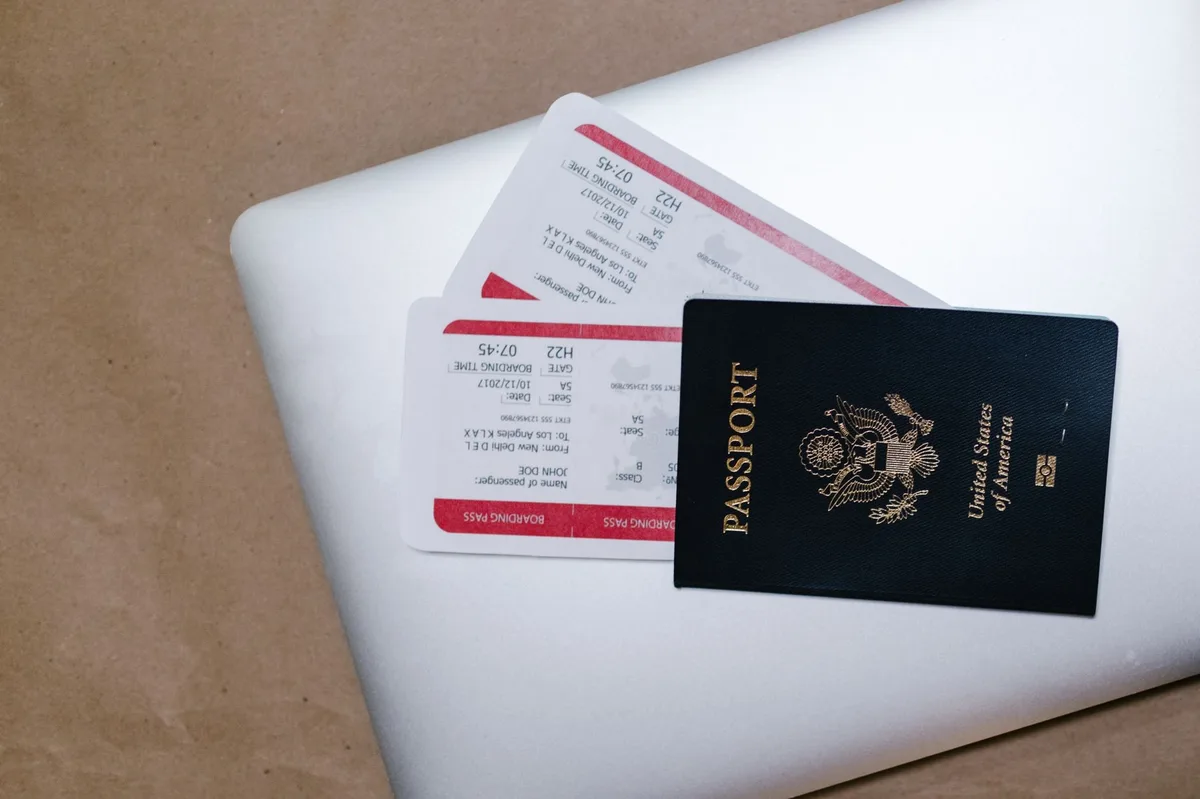
Pexels - Etatics Inc. · original
In this article
Key Takeaway
The GHIC gives you access to state healthcare in EU and EEA countries at the same cost as locals, but it does not cover repatriation, trip cancellation, lost baggage, or private treatment. Travel insurance fills these gaps and often provides faster, more comprehensive medical care. Most UK travellers to Europe need both: the GHIC as a baseline and travel insurance for full protection.
Introduction
When you travel abroad from the UK, two forms of cover often come up: the Global Health Insurance Card (GHIC) and travel insurance. They sound similar, but they protect you in very different ways. The GHIC replaced the European Health Insurance Card (EHIC) after Brexit and gives you access to state-provided healthcare in European Economic Area (EEA) countries, Switzerland, and some British Overseas Territories. Travel insurance, by contrast, is a commercial product that covers medical emergencies, trip disruption, baggage loss, and repatriation costs worldwide.
Understanding what each covers, and where they overlap or leave gaps, helps you travel with the right protection for your trip.
What the GHIC and Travel Insurance Cover: A Comparison
| Cover Type | GHIC | Travel Insurance |
|---|---|---|
| Emergency medical treatment | State healthcare only, at local resident cost | Private and state treatment, often with no excess |
| Repatriation to the UK | Not covered | Covered, including air ambulance |
| Pre-existing conditions | Treated as locals are | May be excluded or require disclosure |
| Trip cancellation or delay | Not covered | Covered up to policy limit |
| Lost or stolen baggage | Not covered | Covered up to policy limit |
| Personal liability | Not covered | Often included |
| Geographic scope | EEA, Switzerland, select territories | Worldwide or regional, depending on policy |
| Cost | Free to UK residents | Premium varies by age, destination, trip length |
What the GHIC Covers
The GHIC is free to apply for through the NHS and gives you the right to access state-provided healthcare in 27 EU countries, Iceland, Liechtenstein, Norway, and Switzerland on the same terms as residents of that country. According to GOV.UK, this means if locals pay a fee or co-payment for treatment, you pay the same amount. In some countries state healthcare is free at the point of use; in others, you pay a portion upfront and may be reimbursed later.
Pros
- Free to obtain and renew.
- Covers necessary medical treatment, including chronic condition management and routine maternity care if you unexpectedly give birth abroad.
- Accepted widely across the EEA and Switzerland.
- Useful as a fallback if you cannot get travel insurance or forget to arrange it.
Cons
- Does not cover private healthcare, even when state facilities are unavailable or have long waits.
- Does not pay for repatriation to the UK, which can cost tens of thousands of pounds.
- Does not cover trip cancellation, baggage, or other non-medical risks.
- You may still pay fees upfront, depending on the country, and claiming reimbursement can be slow.
- Not valid outside the EEA and Switzerland (so no cover in popular destinations like Turkey, Egypt, or the United States).
What Travel Insurance Covers
Travel insurance is a commercial policy you buy from an insurer or broker. Most policies include medical cover, cancellation and curtailment, baggage and personal belongings, and personal liability. Medical cover often includes emergency treatment (state or private), ambulance costs, and repatriation by air ambulance if you cannot fly home commercially.
According to the Association of British Insurers, travel insurance also covers scenarios the GHIC does not, such as cancelled flights, lost luggage, and legal expenses abroad. As foundational texts such as Principles of Finance explain, insurance transfers financial risk from the individual to the insurer, allowing you to travel with greater confidence that unexpected costs will not ruin your trip.
Pros
- Covers repatriation, often the single largest cost in a medical emergency abroad.
- Includes non-medical risks: cancellation, baggage, delays, personal liability.
- Offers access to private treatment and emergency helplines, which can be faster than state systems.
- Covers destinations worldwide, not just Europe.
- Many policies include cover for pre-existing conditions if disclosed and accepted.
Cons
- Costs a premium, which rises with age, destination risk, and trip length.
- Pre-existing medical conditions may be excluded or subject to additional premium.
- Excess applies to most claims, meaning you pay the first portion of any loss.
- Policies vary widely in scope and exclusions; you must read the terms carefully.
Which Do You Need?
For trips to Europe
Use both. Apply for a free GHIC to access state healthcare, and buy travel insurance to cover repatriation, cancellation, and baggage. According to MoneyHelper, many insurers reduce your premium slightly if you hold a valid GHIC, because it lowers their liability for minor treatment costs. If you need emergency care, show your GHIC first to access state facilities, then contact your travel insurer if you need repatriation or private treatment.
Read also: Travel Insurance for Christmas Holidays Abroad: What UK Travellers Need
For trips outside Europe
Travel insurance only. The GHIC is not valid outside the EEA and Switzerland. You need a travel insurance policy with medical cover appropriate to your destination. Medical treatment in countries like the United States can cost hundreds of thousands of pounds without insurance.
For short, low-risk trips
Some UK travellers skip travel insurance for weekend city breaks within Europe, relying on the GHIC alone. This works if you can afford to lose your baggage and pay for your own flight home if you fall ill. It does not work if you cannot afford the cost of repatriation or if your trip involves activities (skiing, diving) that the GHIC does not cover.
For travellers with pre-existing conditions
Declare everything to your travel insurer. The GHIC treats you as a local, so if your condition requires ongoing medication or monitoring, you receive the same state care as residents. However, if you suffer a new complication or need repatriation, only travel insurance covers those costs. Many insurers offer specialist policies for pre-existing conditions; compare quotes through a broker if standard policies exclude you.
Common Mistakes
- Assuming the GHIC is the same as comprehensive travel insurance. It is not. The GHIC covers state medical treatment only.
- Forgetting to renew your GHIC. Cards expire after a set period (usually five years). Check the expiry date before you travel.
- Not disclosing pre-existing conditions to your travel insurer. Non-disclosure can void your entire policy, leaving you with no cover at all.
- Buying travel insurance that duplicates your GHIC without adding repatriation or cancellation cover. Read the policy summary to confirm what is actually included.
- Relying on the GHIC for adventure activities. State healthcare may not cover you for skiing accidents, scuba diving injuries, or other high-risk pursuits. Travel insurance usually does, often with an added premium for hazardous activities.
Frequently Asked Questions
Can I use my old EHIC?
Yes, if it is still in date. Existing EHICs remain valid until they expire. Once expired, apply for a GHIC instead.
Does the GHIC cover me in Northern Ireland and the Republic of Ireland?
UK residents can use the GHIC in the Republic of Ireland. Within the UK (including Northern Ireland), NHS reciprocal arrangements apply instead.
Will my travel insurer pay out if I do not have a GHIC?
Most policies do not require you to hold a GHIC, but many reduce your excess or premium if you do. Check your policy terms.
Can I get a GHIC if I live abroad?
Only UK residents are eligible. If you are a UK national living permanently in an EU country, you may be eligible for a local health card under that country’s system instead.
Conclusion
The GHIC and travel insurance serve different purposes and work best together. The GHIC gives you access to state healthcare across Europe at no extra cost, which can be invaluable for minor injuries or sudden illness. Travel insurance fills the critical gaps: repatriation, trip cancellation, baggage, and access to private treatment when state systems are overstretched. For most UK travellers, the right approach is to hold a valid GHIC and buy appropriate travel insurance every time you leave the country, tailored to your destination, activities, and health.
Disclaimer: This article provides general information only and is not regulated financial or insurance advice. We are not authorised by the Financial Conduct Authority. Your personal circumstances, health, and travel plans affect which cover you need. Consider speaking to an FCA-authorised insurance adviser or broker before purchasing travel insurance, and confirm current GHIC eligibility and application procedures at gov.uk. Cover, exclusions, and premiums vary by insurer and policy. Always read the policy wording, key facts document, and exclusions before you buy, and declare all pre-existing medical conditions to your insurer.
Sources
- UK Global Health Insurance Card (GHIC) (accessed )
- MoneyHelper Insurance Guidance (accessed )
- ABI Products and Issues (accessed )
- Principles of Finance (accessed )
Related articles
Travel Insurance for Christmas Holidays Abroad: What UK Travellers Need
What travel insurance UK travellers need for Christmas holidays abroad: medical cover, cancellation protection, EHIC limits, and winter-specific risks.
Travel Insurance in the UK: What It Covers and Which Policy Type Is Best Value
Learn what UK travel insurance covers, from medical emergencies to cancellations, and compare single-trip vs annual policies to find the best value.

7 Essential Add-Ons for Winter Sports Insurance in the UK
Standard travel insurance won't cover skiing. Discover the 7 essential winter sports add-ons UK travellers need before their ski holiday.
