Eight Essential Travel Insurance Tips for UK Travellers
The Association of British Insurers shares eight vital travel insurance tips backed by claims data, helping UK travellers understand what cover they need and how to avoid common pitfalls.

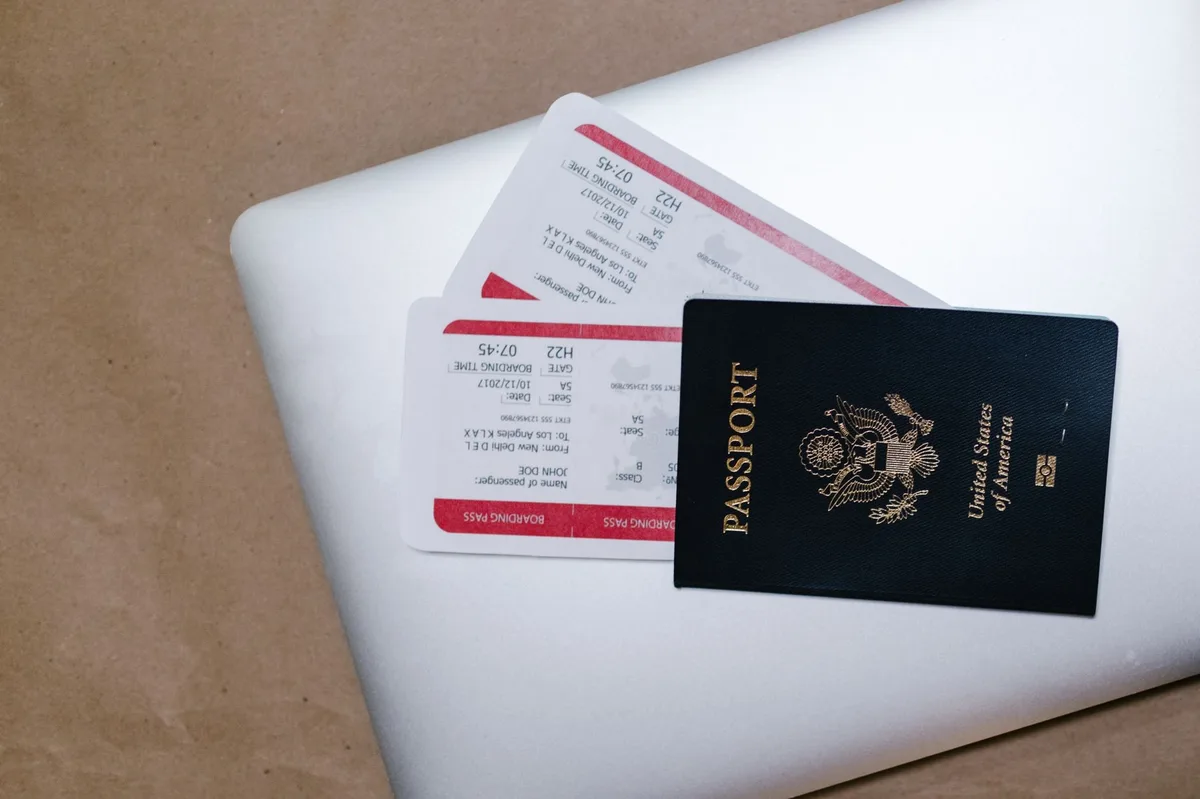
Pexels - Porapak Apichodilok · original
In this article
Key Takeaway: The Association of British Insurers’ ‘Eight to Embark’ campaign highlights eight crucial travel insurance considerations backed by claims data. Buy cover when you book, declare all medical conditions, understand what’s excluded, keep documentation, and check policy limits to avoid refused claims and unexpected costs abroad.
Every year, thousands of UK travellers face refused claims or unexpected gaps in cover because they overlooked basic travel insurance essentials. The Association of British Insurers (ABI) has analysed claims data and identified eight critical steps that can make the difference between a protected trip and a costly disaster.
Travel insurance claims reveal patterns that every traveller should understand. Medical emergencies abroad, cancelled flights, lost baggage, and unexpected curtailments account for the majority of claims, yet many policies are invalidated by simple oversights. As covered in foundational finance texts such as Principles of Finance, effective risk management begins with understanding what protection you actually hold and what gaps remain.
Here are the eight essential tips every UK traveller should follow before departure.
1. Buy Travel Insurance When You Book
Purchase travel insurance as soon as you confirm your booking, not the week before departure. Early purchase protects your deposits if you need to cancel due to illness, redundancy, or other covered events between booking and travel. According to the Association of British Insurers, many cancellation claims fail because travellers delayed buying cover and then found themselves unprotected when circumstances changed (ABI, 2026).
Buying early also means pre-existing medical conditions declared at purchase are more likely to be covered. Conditions that develop or change after you buy may not be, so early action matters.
2. Declare All Pre-Existing Medical Conditions
Failure to declare medical conditions is one of the most common reasons for refused claims. You must disclose any condition for which you have received treatment, medication, or medical advice, even if you consider it minor or well-controlled. This includes conditions affecting close relatives if you are buying cover for cancellation due to their illness.
Insurers use medical screening questions to assess risk and calculate premiums. An undeclared condition can void your entire policy, leaving you with no cover at all for any claim, not just medical ones. MoneyHelper guidance emphasises that honest disclosure protects your cover (MoneyHelper, 2026).
3. Read the Policy Wording and Exclusions
Policy documents list what is and is not covered. Common exclusions include claims arising from alcohol or drug use, dangerous activities unless specifically added, travel against Foreign, Commonwealth and Development Office (FCDO) advice, and known events such as strikes announced before you bought the policy.
Many travellers assume their policy covers everything, only to discover during a claim that their specific situation was excluded. Read the full policy wording, not just the summary, and query anything unclear with the insurer before you travel.
4. Check Your Medical Cover Limits
Medical treatment abroad, especially in countries without reciprocal healthcare agreements, can cost tens of thousands of pounds. Check that your policy’s medical cover limit is adequate for your destination. The ABI recommends at least £2 million for Europe and £5 million for worldwide destinations including the USA, where medical costs are particularly high.
Also confirm that your policy includes repatriation cover, which pays to bring you home if you are too ill or injured to return on a scheduled flight. Repatriation by air ambulance can exceed £30,000.
Read also: Travel Insurance for Christmas Holidays Abroad: What UK Travellers Need
5. Understand the Difference Between Single Trip and Annual Multi-Trip
Single trip policies cover one journey; annual multi-trip policies cover unlimited trips within a year, usually with a maximum duration per trip (commonly 31 or 45 days). If you travel more than twice a year, annual cover is often more cost-effective.
However, annual policies may have lower cover limits than single trip policies, and you must check that the maximum trip duration suits your plans. Extended trips beyond the limit will not be covered unless you arrange additional cover.
6. Keep All Receipts and Documentation
If you need to make a claim, you must provide evidence. Keep receipts for anything you claim for: medical treatment, replacement belongings, additional accommodation, or alternative travel. Take photos of damaged luggage or possessions.
For medical claims, obtain a medical report from the treating doctor or hospital. For cancellations or curtailments, get written confirmation from airlines, hotels, or doctors as appropriate. Claims without supporting evidence are routinely refused, no matter how genuine.
7. Know Your Excess and Claim Limits
Most policies have an excess, the amount you pay towards each claim. A policy might have a £50 excess per person per claim, or higher excesses for specific claim types such as lost valuables. Higher excesses usually reduce premiums but increase your out-of-pocket cost if you claim.
Policies also set maximum amounts per item and per claim type. A policy might limit single items to £500 and total baggage claims to £2,500. If you are carrying expensive items such as cameras, laptops, or jewellery, check whether they exceed limits and whether you need to add extra cover or list high-value items individually.
8. Check What Your Existing Cover Includes
You may already have some travel insurance through your bank account, credit card, or home contents policy. Check what cover you have and whether it is adequate for your trip. Packaged bank account travel insurance often has lower limits and more exclusions than standalone policies, and may not cover all family members or all destinations.
Do not assume existing cover is sufficient without reading the policy. You may need to upgrade or purchase additional cover to fill gaps, particularly for pre-existing medical conditions or high-risk activities.
Conclusion
The ABI’s ‘Eight to Embark’ tips are drawn from real-world claims data and highlight the issues that trip up UK travellers most often. Buy cover early, declare medical conditions fully, read the policy wording, and keep documentation. These straightforward steps protect you from refused claims and unexpected costs abroad. Before your next trip, review your travel insurance against this checklist and confirm you have the cover you actually need.
Disclaimer
This article provides general information about travel insurance for UK travellers and is not regulated financial advice. UmbrellaOwl is not authorised by the Financial Conduct Authority. Travel insurance cover, terms, exclusions, and pricing vary by insurer and by individual circumstances. We recommend you read the full policy wording, compare policies from multiple providers, and consider speaking to an FCA-authorised insurance adviser or broker to ensure the cover suits your personal needs and destination. Verify all details, limits, and exclusions with the insurer before purchasing.
Sources
- Association of British Insurers - Products and Issues (accessed )
- MoneyHelper - Insurance Guidance (accessed )
- Citizens Advice - Insurance Information (accessed )
- Principles of Finance (accessed )
Related articles
Travel Insurance for Christmas Holidays Abroad: What UK Travellers Need
What travel insurance UK travellers need for Christmas holidays abroad: medical cover, cancellation protection, EHIC limits, and winter-specific risks.

What to Look for in Travel Insurance in the UK Beyond the Cheapest Policy
Compare travel insurance policies in the UK beyond price. Learn what medical cover, cancellation protection, and policy features matter most for your trip.

What to Look for in Travel Insurance Beyond the Cheapest Policy in the UK
Discover what matters most in UK travel insurance beyond price, from medical cover limits to exclusions and claims processes.
