Summer Driving Risks in the US: An Auto Insurance Checklist
Summer driving can raise your exposure to crashes, theft, weather damage, and liability claims. Use this checklist to spot auto coverage gaps before a road trip, teen driving season, or severe weather event.
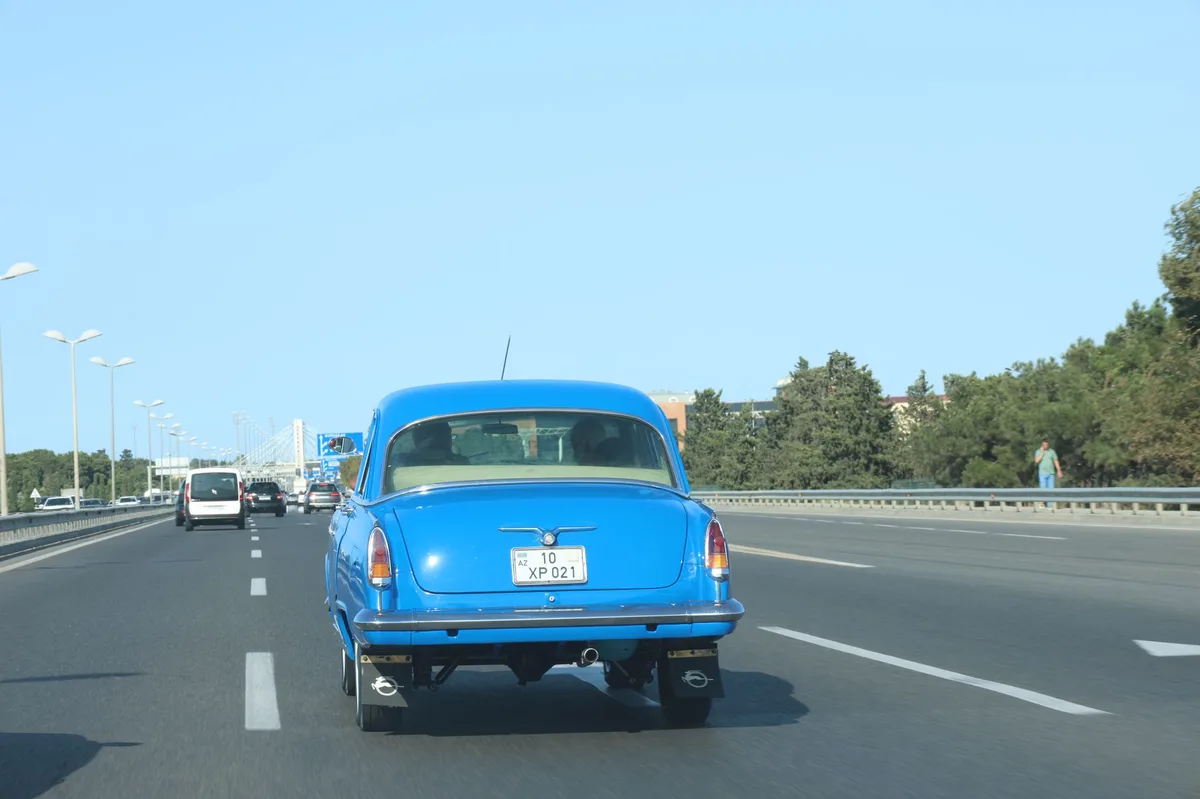
Pexels - Tahir Xəlfəquliyev · original
In this article
Summer driving in the US can increase your chance of an auto insurance claim because more people are on the road, trips are longer, storms are common in many regions, and parked cars may face higher theft or vandalism exposure. Before peak travel season, review liability limits, collision, comprehensive, uninsured or underinsured motorist protection, rental car terms, and roadside assistance. The point is not to buy every add-on, it is to make sure your policy still matches how you will actually use the car this summer.
Why Summer Changes Your Auto Coverage Risk
Summer driving often means unfamiliar highways, busy vacation routes, visiting relatives using the car, teen drivers with more free time, and vehicles parked overnight at hotels, beaches, airports, campgrounds, or event lots. Heat can also strain tires and batteries, while thunderstorms, hail, floods, falling branches, and wildfire smoke can damage vehicles in ways that are not always tied to a crash.
A standard auto policy usually combines several different coverage parts. According to the Insurance Information Institute, a basic auto policy may include bodily injury liability, property damage liability, collision, comprehensive, medical payments or personal injury protection, and uninsured or underinsured motorist coverage (III, 2024). The details vary by state and insurer, so start with your declarations page before you travel.
Summer Auto Insurance Checklist
1. Check Your Liability Limits Before a Long Trip
Liability coverage pays others when you are legally responsible for bodily injury or property damage, up to your policy limits. State minimum requirements can be low compared with the cost of a serious crash, especially if several vehicles, medical bills, lost wages, or legal defense costs are involved.
Do not assume your current limits are enough just because they satisfy your state’s minimum. Confirm your bodily injury and property damage limits, then ask a licensed agent what higher limits would cost. If you own a home, have savings, run a small business, or have future income to protect, also ask whether a personal umbrella policy makes sense.
2. Confirm Collision Coverage If You Rely on the Car
Collision coverage generally applies when your car is damaged in a crash with another vehicle or object, regardless of who caused the accident. It is usually optional unless a lender or lessor requires it.
If your car is older, you may be tempted to drop collision to lower your premium. That can be reasonable for some vehicles, but summer travel changes the math if you cannot easily replace the car after a crash. Compare your deductible, the car’s current value, and your emergency savings before removing it.
3. Review Comprehensive Coverage for Weather, Theft, and Animals
Comprehensive coverage generally applies to non-collision losses such as theft, vandalism, hail, falling objects, fire, flood, and animal strikes, subject to exclusions and the deductible. It can matter more in summer because cars may be exposed to storms, airport parking, vacation rentals, rural roads, and outdoor events.
Comprehensive is also usually the part of the policy that responds to a stolen vehicle or hail damage. If you live in a hail-prone, hurricane-prone, wildfire-prone, or flood-prone region, review this coverage carefully before removing it.
4. Review Uninsured and Underinsured Motorist Coverage
Uninsured motorist coverage can help if a driver with no insurance injures you or damages your vehicle, depending on your state’s rules and the coverage you bought. Underinsured motorist coverage can help when the at-fault driver’s limits are not enough.
Coverage availability and requirements vary by state. The NAIC directs consumers to state insurance department resources for insurance questions and complaints, which matters because auto insurance rules are state-specific (NAIC, 2026). If you are not sure whether you have this protection, check your declarations page and ask your agent how it works in your state.
5. Ask How Your Policy Treats Other Drivers
Summer can bring shared driving, visiting family, borrowed cars, and teen drivers home from school. Your policy may treat resident household members, permissive drivers, excluded drivers, and occasional drivers differently.
Before letting someone else drive your car, confirm whether they are covered. Pay close attention to listed exclusions, household driver rules, and teen driver requirements. If a new driver has regular access to your vehicle, tell your insurer before a loss happens.
6. Check Rental Car Coverage Before You Reach the Counter
If you rent a car for vacation, your personal auto policy may extend some coverage to the rental, but the answer depends on the policy, the rental vehicle, the destination, and how the car is used. Credit card rental benefits may also have conditions, exclusions, and claim procedures.
Before the trip, ask your insurer whether your liability, collision, and comprehensive coverage extend to a rental car in the US. If you are traveling outside the US, do not assume your domestic auto policy applies. Review the rental agreement and consider whether the rental company’s optional protection fills a real gap.
7. Revisit Your Deductible and Emergency Fund
A higher deductible can reduce premiums, but it also means a larger out-of-pocket cost after a covered claim. Summer driving can create more small losses, such as windshield damage, parking lot dents, hail damage, or towing needs.
Make sure your deductible is an amount you could pay without delaying repairs. As of July 2026, deductible options and savings vary by carrier and state, so verify current terms with a licensed agent or carrier before deciding.
Read also: How to Choose the Right Auto Insurance Coverage for Your Needs
8. Add Roadside Assistance Only If It Solves a Real Problem
Roadside assistance may cover towing, lockouts, jump starts, fuel delivery, or tire changes, depending on the plan. It can be useful for summer road trips, especially in rural areas or with an older vehicle.
Compare your auto insurer’s roadside option with any coverage from an auto club, credit card, vehicle warranty, or manufacturer program. Avoid paying twice for overlapping benefits unless the services are meaningfully different.
9. Document the Car Before You Leave
Before a long trip, take clear photos of your vehicle’s exterior, interior, tires, windshield, odometer, and any existing damage. Keep your insurance ID card, registration, roadside assistance number, and claims phone number accessible.
If you have a claim, quick documentation can help show the car’s condition before the loss. It can also make it easier to report damage after hail, theft, vandalism, or a crash away from home.
10. Know Where to Turn If a Claim Becomes a Dispute
Insurance is regulated mainly at the state level. If you have a coverage dispute, claim delay, or complaint, your state Department of Insurance can explain the complaint process and consumer protections.
If your summer travel involves a financed or leased vehicle, also keep your lender or lease documents handy. The Consumer Financial Protection Bureau maintains consumer tools that can help people understand financial products and complaint options more broadly (CFPB, 2026). For insurance-specific help, your state Department of Insurance and a licensed agent are the best starting points.
Common Summer Coverage Mistakes
The biggest mistake is assuming “full coverage” has one fixed meaning. It does not. People often use that phrase to mean liability plus collision and comprehensive, but it does not guarantee high limits, rental reimbursement, gap coverage, roadside assistance, or protection for every driver.
Another common mistake is lowering coverage right before a trip to save money. If the car will be driven more miles, parked in unfamiliar places, or used by additional drivers, that may be the wrong time to reduce protection.
Drivers also overlook exclusions. Food delivery, rideshare driving, business use, racing, intentional damage, and unlisted regular drivers can create problems. If your summer plans involve any unusual use, ask your insurer before assuming the policy will respond.
Frequently Asked Questions
Does auto insurance cover summer storm damage?
Often, yes, if you carry comprehensive coverage and the loss is not excluded. Hail, falling branches, fire, flood damage to the vehicle, and theft are commonly handled under comprehensive, subject to your deductible and policy terms.
Do I need special insurance for a road trip?
Usually not for ordinary personal travel within the US, but you should review liability limits, collision, comprehensive, rental car coverage, roadside assistance, and who is allowed to drive. If you are crossing into Mexico or Canada, ask your insurer about territorial limits and required documents before you go.
Will my policy cover someone else driving my car?
Maybe. Many policies cover permissive use, but household drivers, excluded drivers, business use, and regular access can change the answer. Confirm with your insurer before letting another person drive regularly.
Should I lower my deductible for summer?
It depends on your savings and risk tolerance. A lower deductible can reduce your out-of-pocket cost after a claim, but it may raise your premium. Compare the annual premium difference with the amount you could comfortably pay after a loss.
Bottom Line
Summer is a good time to treat your auto policy like a travel safety item, not just a bill. Review liability limits, physical damage coverage, uninsured motorist protection, rental car terms, drivers, deductibles, and roadside help before the busiest part of the season.
This article is general educational information, not personalized insurance, legal, or financial advice. Coverage rules, minimum requirements, premiums, deductibles, and availability vary by state and carrier. Confirm your situation with your state Department of Insurance and a licensed insurance agent before making coverage changes.
Sources
- What is covered by a basic auto insurance policy? (accessed )
- Consumer Insurance Search (accessed )
- Consumer Tools (accessed )
Related articles
How to Choose the Right Auto Insurance Coverage for Your Needs in the US
Compare liability, collision, comprehensive, and other auto coverage types to choose the right protection for your vehicle and budget.

Auto Insurance Review Checklist Before Winter Driving Season in the US
Check your auto insurance before winter. Review collision, comprehensive, deductible, roadside assistance, and liability limits for winter driving risks.

How to Compare Auto Insurance Quotes the Right Way in the US
Master the art of comparing auto insurance quotes in the US. Learn what to compare, where to shop, and how to find the best coverage for your budget.
