Boat and Watercraft Insurance for Summer Activities in the US
Boat insurance protects your watercraft and liability exposure during summer recreation. Learn what coverage you need, typical costs, and when it's required.
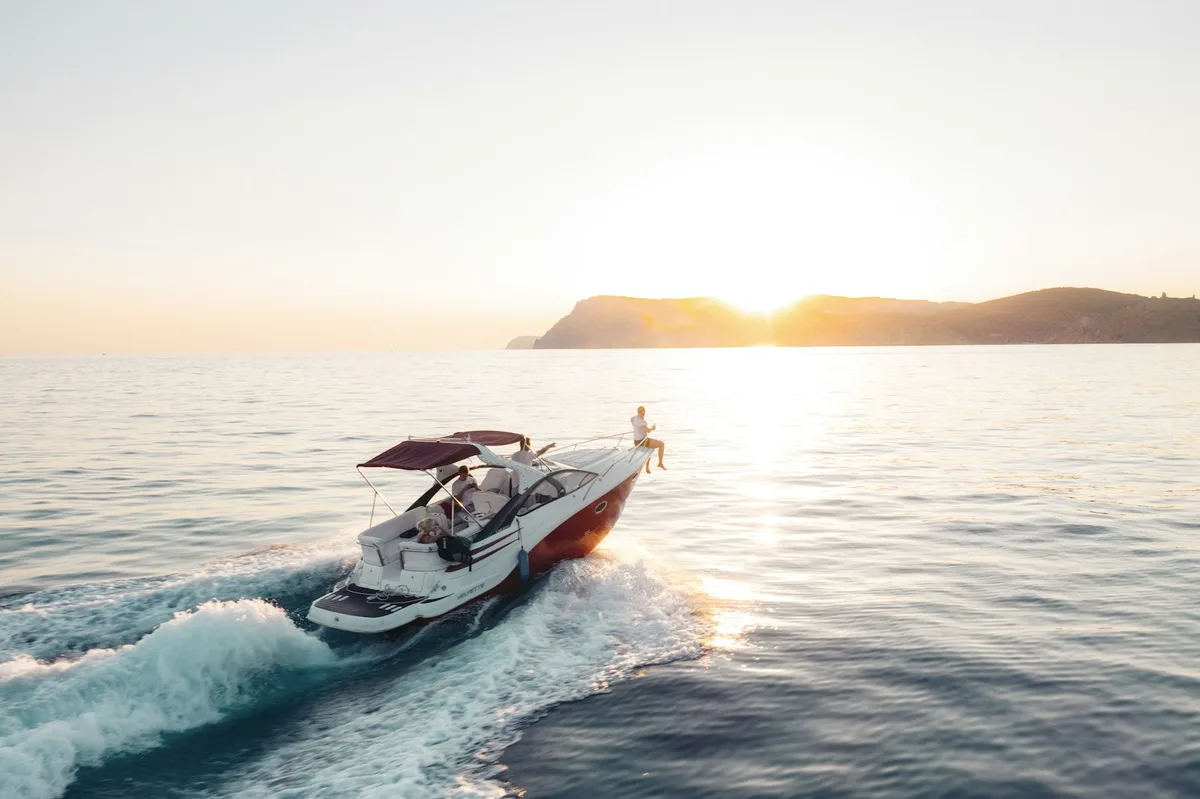
Unsplash - Cyrus Crossan · original
In this article
Boat insurance covers physical damage to your watercraft, liability for injuries or property damage you cause, and theft or vandalism. While most states don’t legally require it, marinas and lenders almost always do. A typical policy for a recreational boat under 26 feet costs $300 to $500 annually, though high-value vessels, personal watercraft, or boats used in high-risk areas cost more.
What Boat Insurance Covers
Boat insurance policies typically include several core coverage types. Hull coverage (similar to comprehensive and collision for cars) pays to repair or replace your boat if it’s damaged by a collision, storm, fire, or vandalism. Liability coverage pays for injuries to others or damage to their property if you’re at fault in a boating accident, with most policies starting at $100,000 to $300,000 in coverage. Personal property coverage protects fishing gear, water skis, safety equipment, and other items you keep on board. Medical payments coverage handles medical bills for you and your passengers after an accident, regardless of fault, typically up to $1,000 to $5,000 per person. Uninsured boater coverage protects you if you’re hit by someone without insurance or who flees the scene (hit-and-run on the water).
According to the Insurance Information Institute, boat policies often include towing and assistance coverage for on-water breakdowns, similar to roadside assistance for cars (III, 2026). Some insurers also offer agreed value coverage, which pays the full insured amount without depreciation if your boat is totaled, an important option for new or well-maintained vessels.
When You Need Boat Insurance
Most states don’t require boat insurance by law, but practical and contractual obligations make it essential. If you financed your boat, your lender will require hull and liability coverage until the loan is paid off. Marinas and yacht clubs almost always require proof of liability insurance before allowing you to dock or store your boat. If you trailer your boat, your auto insurance typically covers the trailer and liability while towing, but not the boat itself once it’s on the water. Homeowners insurance may provide limited coverage (usually $1,000 to $1,500) for small boats under 26 feet and low-horsepower motors, but this won’t cover liability or high-value watercraft.
For personal watercraft like Jet Skis, separate PWC insurance is usually required, as these are excluded from standard boat policies due to higher accident rates. Renters who use someone else’s boat should confirm the owner’s policy covers guest operators, or purchase a short-term non-owned watercraft policy.
Read also: What Is the Minimum Car Insurance Coverage Required in the US
Cost Factors and Typical Premiums
Boat insurance premiums depend on the vessel’s value, type, age, horsepower, how you use it, and where you boat. A small fishing boat or sailboat under $20,000 might cost $300 to $400 per year, while a cabin cruiser or speedboat valued at $50,000 to $100,000 can run $800 to $1,500 annually. Personal watercraft (Jet Skis, WaveRunners) typically cost $200 to $400 per year. High-performance boats, yachts, and vessels used in salt water or hurricane-prone coastal areas cost significantly more due to higher risk.
Deductibles typically range from $250 to $1,000. Choosing a higher deductible lowers your premium but increases out-of-pocket costs after a claim. Discounts are available for completing boater safety courses (usually 10 to 15 percent off), bundling boat insurance with your home or auto policy, installing anti-theft devices, and laying up (not using) your boat during winter months.
Next Steps
Contact a licensed insurance agent who specializes in boat and marine coverage to get quotes from multiple carriers. Bring details about your watercraft (make, model, year, value, horsepower, and intended use) and ask about discounts. If you’re financing the boat or plan to dock at a marina, confirm coverage meets their minimum requirements before closing the purchase. Review your homeowners policy to see if it already provides any boat coverage, so you’re not paying twice for the same protection.
Coverage requirements, premium rates, and available discounts vary by state and insurer. This information is educational and general, not personalized insurance or financial advice. Consult a licensed insurance agent in your state for specific recommendations based on your watercraft, boating habits, and budget.
Sources
- Consumer Insurance Guide (accessed )
- Insurance Information Institute (accessed )
- Consumer Financial Protection Resources (accessed )
Related articles

What Is the Minimum Car Insurance Coverage Required in the US
Learn what minimum car insurance coverage is required in the US, including state liability requirements, additional mandates, and why minimums may not be enough.

Auto Insurance Review Checklist Before Winter Driving Season in the US
Check your auto insurance before winter. Review collision, comprehensive, deductible, roadside assistance, and liability limits for winter driving risks.

How to Lower Your Car Insurance Premium Without Losing Coverage in the US
Learn how to reduce your car insurance premium without sacrificing coverage. Explore discount strategies, deductible options, and smart choices.
