Homeowner's Insurance Coverage for Halloween Trick-or-Treaters in the US
Understanding what your homeowner's insurance covers when trick-or-treaters visit your property during Halloween, from liability claims to property damage.
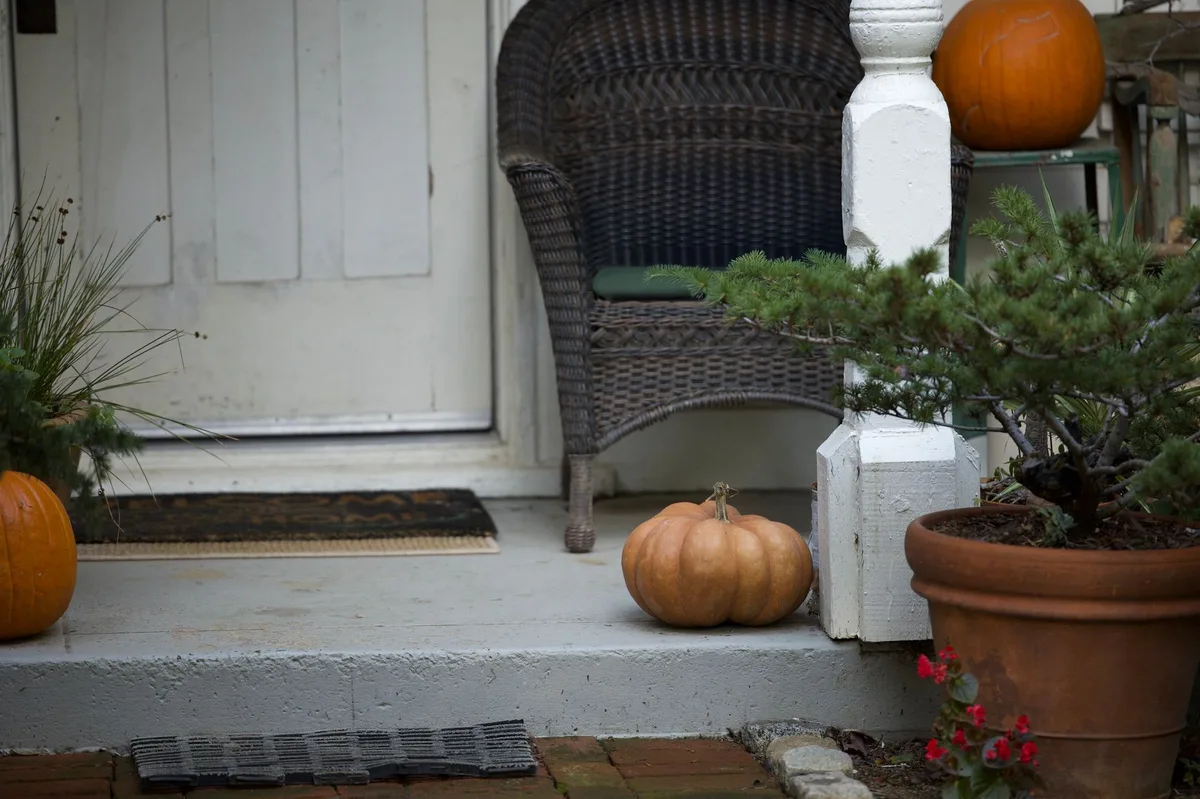
Pexels - Stephen Leonardi · original
In this article
Key Takeaway: Your standard homeowner’s insurance policy typically covers injuries to trick-or-treaters through liability coverage (usually $100,000 to $300,000) and medical payments coverage (typically $1,000 to $5,000). If a child trips on your steps or is injured by your decorations, you are generally covered. However, coverage excludes intentional acts, known hazards you failed to fix, and injuries from prohibited activities like launching fireworks.
Halloween brings dozens of trick-or-treaters to your property, creating potential liability exposure that many homeowners overlook. Understanding what your homeowner’s insurance covers during this high-traffic evening helps you prepare properly and avoid gaps in protection.
How Homeowner’s Liability Coverage Works During Halloween
Standard homeowner’s insurance policies include two coverage components that apply when visitors are injured on your property: personal liability coverage and medical payments to others (often called Med Pay).
According to the Insurance Information Institute, personal liability coverage typically provides $100,000 to $300,000 in protection, though you can purchase higher limits (III, 2024). This coverage responds when you are legally responsible for someone else’s injury or property damage. If a trick-or-treater trips on your uneven walkway and breaks an arm, liability coverage pays for medical bills, legal defense costs, and any settlement or judgment up to your policy limit.
Medical payments coverage works differently. It pays small medical bills (usually $1,000 to $5,000) for visitors injured on your property regardless of who is at fault. This no-fault coverage often resolves minor claims quickly without a liability determination or lawsuit. If a child scrapes a knee on your steps, Med Pay can cover the emergency room visit without requiring proof that you were negligent.
The foundational risk management principles covered in texts such as Principles of Finance explain that liability insurance transfers the financial risk of third-party injuries from the policyholder to the insurer, protecting your assets from claims that could otherwise result in significant out-of-pocket costs.
What Is Covered: Common Halloween Scenarios
Your homeowner’s insurance typically covers injuries that occur from common property hazards, whether you are home or not on Halloween night:
Slip, trip, and fall accidents are the most common claims. If a trick-or-treater trips on your front steps, uneven pavement, garden hose, or extension cord running to your decorations, your liability coverage applies if you are found negligent for failing to maintain safe conditions.
Decoration-related injuries fall under coverage when caused by negligence. If your inflatable decoration deflates and a child trips over it, or a hanging decoration falls and strikes someone, your policy responds. Similarly, if someone is injured by a loose board on your porch or a broken railing you knew about but did not repair, you are covered for the injury (though your insurer may question why you did not fix a known hazard).
Dog bite incidents are covered under most policies, with important exceptions. If your dog bites a trick-or-treater, liability coverage typically pays medical bills and legal costs. However, many insurers exclude certain breeds or impose special conditions. Some policies exclude coverage after a first bite incident. As of October 2026, verify your specific policy terms regarding animal liability with your insurance agent.
Property damage claims also trigger coverage. If a trick-or-treater accidentally damages your neighbor’s car parked in front of your house while on your property, and you are found liable for inadequate supervision or unsafe conditions you created, your liability coverage may respond.
What Is Not Covered: Important Exclusions
Standard homeowner’s policies exclude several scenarios that could arise on Halloween:
Intentional acts are never covered. If you or a family member intentionally frightens a trick-or-treater in a way that causes injury, or if you set up a decoration designed to scare people and someone is hurt fleeing from it, your policy will not respond. Insurance covers accidents and negligence, not deliberate harmful acts.
Read also: How Much Homeowners Insurance Do You Actually Need in the US
Known hazards you failed to address create coverage complications. While you are covered if someone trips on a broken step, your insurer may deny the claim or increase your rates if you knew about the hazard for weeks and took no action to repair it or warn visitors. You have a duty to maintain reasonably safe conditions.
Business activities are excluded from homeowner’s policies. If you charge admission to a haunted house attraction or sell items from your property, injuries that occur during these commercial activities are not covered under your personal homeowner’s insurance. You would need commercial general liability coverage.
Motorized vehicles and certain equipment fall outside standard coverage. If you allow trick-or-treaters to ride a golf cart or ATV on your property and someone is injured, your homeowner’s policy likely excludes this claim. Similarly, injuries from fireworks you launch typically are not covered.
Practical Steps to Protect Yourself
According to guidance from the National Association of Insurance Commissioners, homeowners should verify their liability limits annually and consider whether their coverage adequately protects their assets (NAIC, 2024). For Halloween specifically, take these steps:
Review your current liability limits before Halloween. If your net worth exceeds your liability coverage, consider increasing your limits or adding an umbrella policy (typically $1 million to $5 million in additional liability protection for $200 to $400 annually).
Inspect your property for hazards in the days before Halloween. Repair loose steps, remove tripping hazards from walkways, ensure outdoor lighting works properly, and secure decorations so they cannot fall or blow over. Take photos documenting that you addressed known issues.
Restrain pets or keep them inside on Halloween night, even if they are normally friendly. The unusual costumes, noise, and activity can agitate animals. Many insurers look unfavorably on dog bite claims that occur when you knowingly exposed visitors to your pet during high-traffic events.
Avoid prohibited activities such as launching fireworks, operating motorized equipment with visitors present, or creating intentionally frightening situations that could cause someone to flee and be injured.
Document everything if an injury occurs. Take photos of the scene, collect contact information from witnesses, and report the incident to your insurance company promptly even if the injured party says they are fine. Some injuries manifest hours or days later, and delayed reporting can complicate claims.
Verify Your Coverage Before Halloween
Homeowner’s insurance coverage terms, limits, exclusions, and availability vary significantly by state and by carrier. The information in this article provides general educational guidance about common policy features as of October 2026, but does not constitute personalized insurance, legal, or financial advice for your specific situation.
Before Halloween, contact a licensed insurance agent in your state to review your specific policy, verify your liability and medical payments limits, confirm any exclusions that apply to your property or circumstances, and discuss whether your current coverage adequately protects your assets. State Departments of Insurance also provide consumer resources at no cost to help you understand your rights and coverage obligations.
Your homeowner’s insurance policy is a contract with specific terms. Review your actual policy documents and declarations page, not just this general overview, to understand what is and is not covered when trick-or-treaters visit your property.
Sources
- How Much Homeowners Insurance Do I Need? (accessed )
- Consumer Insurance Information (accessed )
- Consumer Tools and Resources (accessed )
- Principles of Finance (accessed )
Related articles

How Much Homeowners Insurance Do You Actually Need in the US
Calculate the right homeowners insurance coverage for dwelling, property, and liability. Learn replacement cost vs. market value in the US.

How the Coinsurance Clause Cuts Home Insurance Claims in the US
The coinsurance clause penalizes homeowners who under-insure. Compare scenarios and learn how to avoid reduced claim payouts on your US home policy.

What Home Insurance Covers and What It Does Not
Understand what a standard US homeowners policy covers, the common gaps it leaves, and when you need separate flood or earthquake coverage.
