How to File a Hurricane Insurance Claim in the US
After a hurricane passes, filing an insurance claim quickly and correctly helps you recover faster. Learn the essential steps to document damage and work with your insurer.

Pixabay · original
In this article
After a hurricane moves through your area, filing an insurance claim quickly and correctly is essential to recovering your losses. Your homeowners policy typically covers wind damage, but you need separate flood insurance through the National Flood Insurance Program (NFIP) for water damage from storm surge or flooding. Contact your insurer within days of the storm, document all damage with photos and videos, and keep detailed records of every repair expense and conversation with your adjuster.
Hurricane season in the Atlantic runs from June 1 through November 30, with September historically seeing peak storm activity. When a hurricane causes damage to your home or property, knowing how to navigate the claims process helps you get your payout faster and avoid common mistakes that can delay or reduce your settlement.
What You Will Learn
This guide walks you through filing a hurricane insurance claim in the United States, from the first call to your insurer through working with adjusters and documenting losses. You will learn which types of damage your homeowners and flood policies cover, what documentation you need, and how to follow up if your claim is denied or underpaid.
Step 1: Ensure Safety and Prevent Further Damage
Before you start the claims process, make sure your home is safe to enter. Wait for local authorities to give the all-clear, check for downed power lines, gas leaks, and structural damage. Your policy requires you to prevent further damage, so if it is safe to do so, cover broken windows with plywood or tarps, place buckets under leaks, and move belongings away from water. Save all receipts for emergency materials and temporary repairs, as most policies reimburse these costs.
Do not make permanent repairs until your insurance adjuster inspects the damage and approves the work. Permanent repairs before the inspection can complicate your claim or reduce your payout.
Step 2: Contact Your Insurance Company Immediately
Call your homeowners insurance company as soon as possible after the storm passes, ideally within 24 to 72 hours. Insurers handle hundreds of claims after major hurricanes, and filing early puts you in the queue for an adjuster visit. Have your policy number ready and be prepared to describe the damage briefly. Your insurer will assign a claim number and explain next steps.
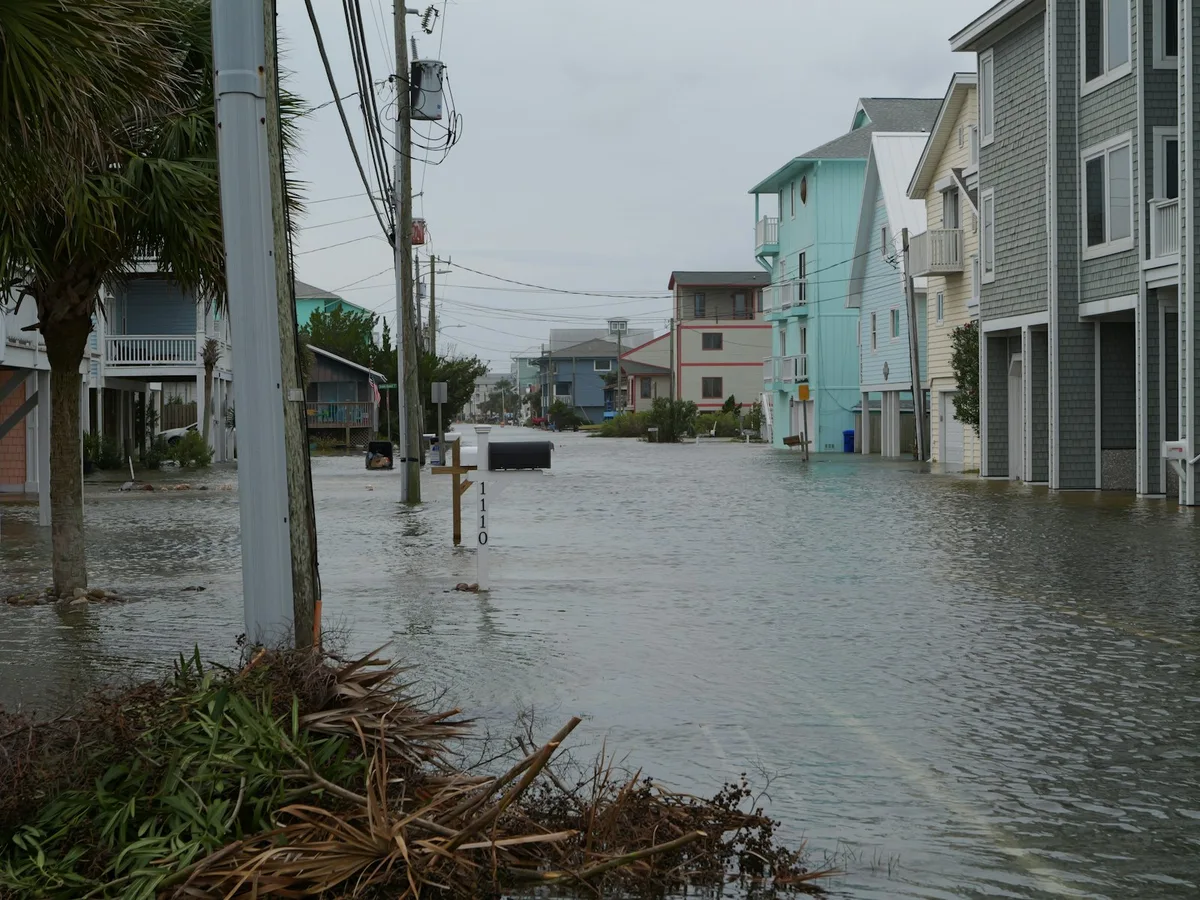
If you have flood insurance through the NFIP or a private flood carrier, file that claim separately. Flood insurance and homeowners insurance are distinct policies with different claims processes (FEMA, 2026). Wind damage (such as a tree through the roof or torn-off shingles) goes to your homeowners insurer, while rising water and storm surge damage go to your flood insurer.
Step 3: Document All Damage Thoroughly
Take photos and videos of every damaged area before you clean up or make repairs. Capture wide shots of each room and close-ups of specific damage. Photograph or video damaged roofs, walls, windows, appliances, furniture, and personal belongings. Date-stamp your photos if possible. Create a written inventory listing each damaged or destroyed item with its approximate age and replacement cost.
According to the Insurance Information Institute, thorough documentation is the single most important step in supporting your claim (III, 2026). If you threw out water-damaged items before the adjuster arrived, keep samples or take photos of the debris. The more evidence you provide, the easier it is for your adjuster to approve your claim amount.
Step 4: Meet with the Insurance Adjuster
Your insurer will send an adjuster to inspect your property and estimate repair costs. Be present during the inspection and walk the adjuster through every area of damage. Point out details they might miss and provide your photos, videos, and inventory list. Ask questions about what is covered and request a copy of the adjuster’s report and estimate.
Read also: How to File an Insurance Claim After Storm Damage in the US
The adjuster represents the insurance company, not you. If the damage is extensive or the estimate seems too low, consider hiring a public adjuster or contractor to provide an independent assessment. State Departments of Insurance regulate adjusters, and you can verify an adjuster’s license through your state DOI (NAIC, 2026).
Step 5: Keep Detailed Records and Follow Up
Track every interaction with your insurer: note the date, time, name of the representative, and what was discussed. Save all emails, letters, and text messages. Keep receipts for temporary repairs, hotel stays if you were displaced, meals, and any other expenses related to the damage. Your policy’s Additional Living Expenses (ALE) coverage may reimburse costs if your home is uninhabitable.
If your claim is delayed, denied, or you disagree with the settlement amount, contact your insurer’s claims supervisor in writing. If that does not resolve the issue, file a complaint with your state Department of Insurance. You also have the right to dispute the claim through your policy’s appraisal or arbitration process, as outlined in foundational insurance texts such as Principles of Finance (OpenStax, 2026).
Common Mistakes to Avoid
Do not wait weeks to file your claim. Delays can raise questions about when the damage occurred. Do not throw away damaged items without photographing them first. Do not accept the first settlement offer if it seems too low, and do not sign a release until you are certain all damage is accounted for. Finally, do not assume your homeowners policy covers flooding: standard policies exclude flood damage, which requires separate NFIP or private flood insurance.
Frequently Asked Questions
How long does a hurricane claim take to settle?
Simple claims can settle in a few weeks, but complex or disputed claims after major hurricanes can take months. Filing early, providing complete documentation, and responding quickly to adjuster requests speeds up the process.
Does homeowners insurance cover hurricane damage?
Homeowners insurance typically covers wind damage from hurricanes, including roof damage, broken windows, and fallen trees. It does NOT cover flooding or storm surge, which require separate flood insurance.
What if my claim is denied?
Request a written explanation, review your policy, and contact your state Department of Insurance if you believe the denial is incorrect. You can also hire a public adjuster or attorney to appeal the decision.
Conclusion
Filing a hurricane insurance claim in the US requires fast action, detailed documentation, and clear communication with your insurer. Contact your homeowners and flood insurance carriers immediately after the storm, photograph all damage, meet with your adjuster prepared, and keep records of every step. If you encounter delays or disputes, your state Department of Insurance is a resource for policyholders.
This information is educational and general in nature. Coverage rules, claim procedures, and policy terms vary by carrier and state. Verify current claim requirements with your licensed insurance agent or carrier before filing, and consult a licensed insurance professional or attorney for guidance on your specific situation.
Sources
- Natural Disasters and Insurance (accessed )
- Flood Insurance (accessed )
- Consumer Information (accessed )
- Principles of Finance (accessed )
Related articles

How to File an Insurance Claim After Storm Damage in the US
Step-by-step guide to filing a homeowners insurance claim after storm damage in the US. Learn what to document, how to work with adjusters, and avoid common mistakes.

How Filing a Claim Affects Your Insurance Premium at Renewal in the US
Understand how filing auto, home, or other insurance claims impacts your premium at renewal in the US. Learn what raises rates and how to minimize increases.
Hurricane Coverage Myths That Can Cost US Homeowners Thousands
Hurricane season exposes dangerous homeowners insurance myths. Discover 6 common misconceptions about flood and wind coverage that could cost you thousands.
