Hurricane Coverage Myths That Can Cost US Homeowners Thousands
Hurricane season brings storm risks and costly coverage misconceptions. Learn which common homeowners insurance myths about hurricane and flood protection could leave you financially exposed.
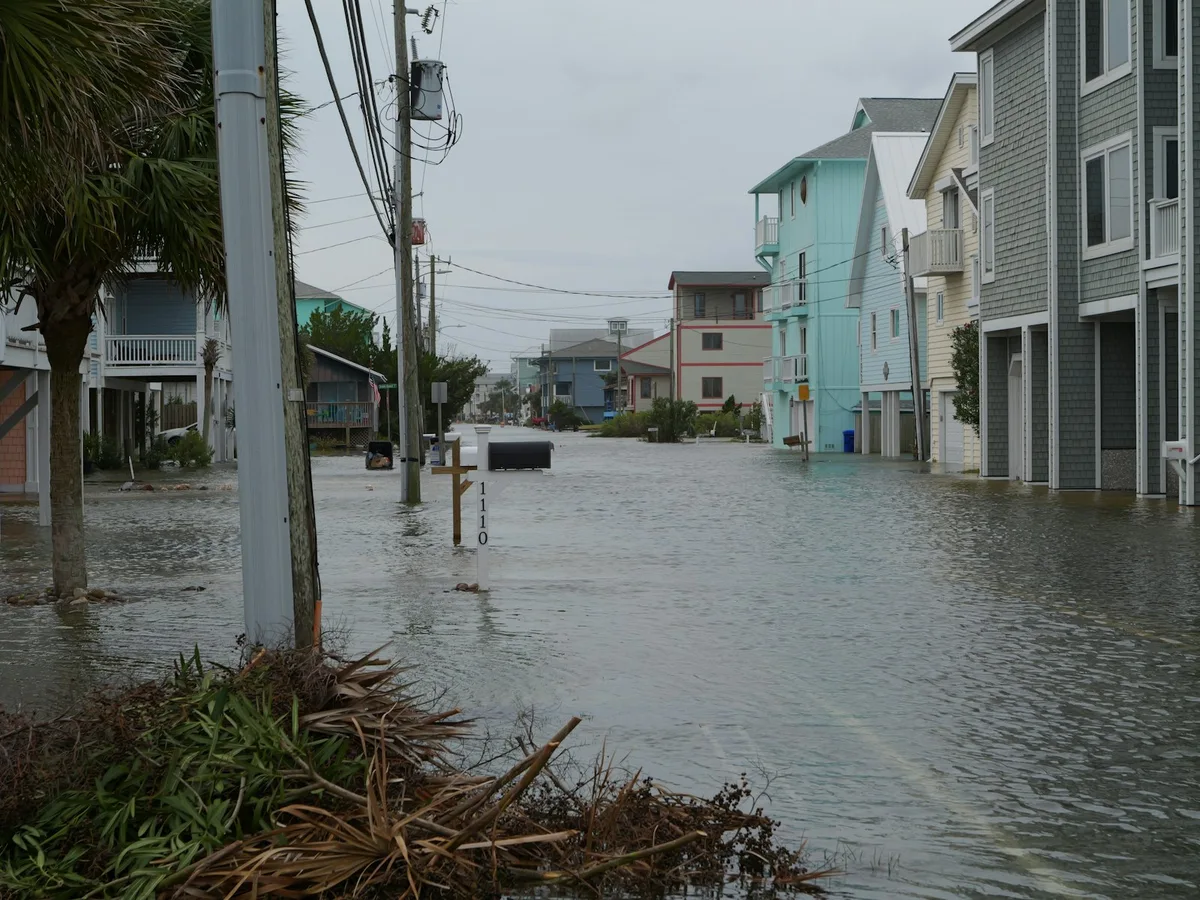
Unsplash - Richard R · original
In this article
Key takeaway: Standard homeowners insurance does not cover flood damage from hurricanes, and many homeowners mistakenly believe their policies protect them from all storm losses. Separate flood insurance through the National Flood Insurance Program (NFIP) or private insurers is required for water damage caused by storm surge and rising water, and policies typically have a 30-day waiting period before coverage begins.
Hurricane season brings more than high winds and heavy rain. It exposes dangerous gaps in homeowners insurance coverage that many property owners discover only after filing a claim. According to the Federal Emergency Management Agency, flood damage from hurricanes represents one of the most common and costly natural disasters in the United States, yet standard homeowners policies explicitly exclude it (FEMA, 2026).
The distinction between covered wind damage and excluded flood damage confuses millions of homeowners each year, and that confusion can translate into tens of thousands of dollars in uncovered losses when a hurricane strikes. Understanding these coverage myths before storm season arrives is essential financial protection for anyone living in hurricane-prone regions.
1. Myth: My Homeowners Insurance Covers Flood Damage
The Reality: Standard homeowners insurance policies (HO-3 and similar forms) cover wind and hail damage but explicitly exclude flood damage. If hurricane storm surge or heavy rainfall causes water to enter your home from ground level or through the foundation, your homeowners policy will not pay for repairs, contents replacement, or temporary housing.
What It Could Cost: The average flood insurance claim through NFIP exceeds $30,000, and total losses can easily reach six figures for severe storm surge damage. Without flood insurance, you pay these costs entirely out of pocket or rely on limited federal disaster assistance (which typically comes as a loan, not a grant).
What to Do Instead: Purchase a separate flood insurance policy through NFIP or a private flood insurer. NFIP policies cover up to $250,000 for the dwelling and $100,000 for personal property, with private insurers offering higher limits and additional coverage options.
2. Myth: I Don’t Need Flood Insurance Outside a High-Risk Flood Zone
The Reality: More than 40 percent of NFIP flood claims come from properties outside designated high-risk flood zones (Special Flood Hazard Areas or SFHAs). Hurricanes drop extraordinary rainfall totals over wide areas, and storm surge can push inland far beyond mapped coastal flood zones. According to foundational texts such as Principles of Finance, risk assessment for property coverage must account for both historical patterns and changing environmental conditions.
What It Could Cost: If you live in a moderate-to-low risk zone (Zone B, C, or X) and experience flood damage without insurance, you face the same out-of-pocket costs as homeowners in high-risk areas. Federal disaster assistance rarely covers more than a fraction of actual losses.
What to Do Instead: Consider flood insurance even if you are not in a mapped flood zone and even if your mortgage lender does not require it. NFIP policies in low-to-moderate risk zones cost significantly less than policies in high-risk areas, often $400 to $600 annually, making coverage affordable relative to the potential loss.
3. Myth: I Can Buy Flood Insurance Right Before a Hurricane Hits
The Reality: NFIP flood insurance policies have a mandatory 30-day waiting period before coverage takes effect. Private flood insurers may offer shorter waiting periods (10 to 14 days in some cases), but no insurer will bind coverage once a named storm is forecast to impact your area.
What It Could Cost: If you attempt to purchase flood insurance after a hurricane has formed or entered the forecast cone, you will not have coverage when the storm arrives. You will bear the full cost of flood damage with no insurance payout.
What to Do Instead: Purchase flood insurance well before hurricane season begins (the Atlantic hurricane season runs June 1 through November 30). Buying coverage in early spring ensures the waiting period expires before peak storm season.
4. Myth: Wind Damage and Water Damage Are Covered the Same Way
The Reality: Homeowners insurance covers wind damage (such as a tree falling on your roof or shingles blown off by hurricane-force winds), but it does not cover water damage that originates from flooding (rising water or storm surge). The distinction depends on how the water entered your home. If wind tears a hole in your roof and rain enters through that opening, your homeowners policy typically covers the damage. If storm surge or heavy rainfall causes water to rise from the ground and enter through doors, windows, or the foundation, flood insurance is required.
Read also: Understanding Hurricane Coverage Gaps in the US: What Farmers Insurance Highlights
What It Could Cost: Many hurricane claims involve both wind and flood damage. If an adjuster determines that the majority of your loss resulted from flood rather than wind, your homeowners policy may pay little or nothing, leaving you with a massive uncovered loss.
What to Do Instead: Carry both homeowners insurance with adequate dwelling coverage and a separate flood insurance policy. Document damage thoroughly with photos and video immediately after a storm, noting the source of water intrusion to support your claim.
5. Myth: My Policy Will Cover the Full Cost of Rebuilding After a Hurricane
The Reality: Many homeowners are underinsured, carrying dwelling coverage limits below the actual cost to rebuild their homes. Inflation in construction costs, labor shortages after major disasters, and building code upgrades required for repairs can push rebuilding costs far above the insured amount.
What It Could Cost: If your home is insured for $250,000 but rebuilding costs $350,000 (a common scenario in high-demand post-hurricane construction markets), you will pay the $100,000 difference out of pocket. According to the Insurance Information Institute, underinsurance is one of the most common and costly mistakes homeowners make (III, 2026).
What to Do Instead: Review your dwelling coverage limit annually with your insurance agent. Use a replacement cost estimator tool and factor in current local construction costs, not the price you paid for the home. Consider adding extended replacement cost or guaranteed replacement cost endorsements, which provide additional coverage above the policy limit if rebuilding costs exceed your dwelling amount.
6. Myth: Hurricane Deductibles Work the Same as Regular Deductibles
The Reality: Many homeowners policies in hurricane-prone states include a separate hurricane or named-storm deductible, which applies as a percentage of the dwelling coverage limit (commonly 2 to 5 percent) rather than a flat dollar amount. A 2 percent hurricane deductible on a home insured for $300,000 means you pay the first $6,000 of covered losses, significantly higher than a typical $1,000 or $2,500 standard deductible.
What It Could Cost: Homeowners who do not realize they have a percentage-based hurricane deductible may budget for a smaller out-of-pocket expense and face a financial shortfall when filing a claim.
What to Do Instead: Review your policy declarations page to identify whether you have a separate hurricane deductible and how it is calculated. If the percentage deductible is uncomfortably high, ask your agent whether you can lower it (though this will increase your premium). Budget and set aside an emergency fund to cover the hurricane deductible amount if a storm strikes.
Prepare Now, Not When the Storm Approaches
Hurricane coverage is not a last-minute decision. The distinctions between flood insurance and homeowners insurance, the waiting periods for new policies, and the percentage-based deductibles in hurricane-prone regions require advance planning. According to the National Association of Insurance Commissioners, understanding your policy before a loss occurs is the single most important step in protecting your financial security (NAIC, 2026).
Contact a licensed insurance agent to review your current homeowners and flood coverage, verify your dwelling limits reflect current rebuilding costs, and confirm you understand all deductibles and exclusions. Verify these details with your state Department of Insurance and compare quotes from multiple insurers to ensure you have adequate protection before the next hurricane season begins.
Financial Disclaimer: This article provides general educational information about homeowners and flood insurance coverage in the United States and is not personalized insurance, financial, or legal advice. Coverage rules, policy terms, premiums, and deductibles vary by state, insurer, and individual policy. Hurricane and flood insurance requirements, availability, and costs depend on your specific property location, construction, claims history, and other factors. Consult a licensed insurance agent in your state and review your actual policy documents to understand your coverage, exclusions, and obligations before making insurance decisions.
Sources
- Flood Insurance (accessed )
- How Much Homeowners Insurance Do I Need (accessed )
- NAIC Consumer Resources (accessed )
- Principles of Finance (accessed )
Related articles

Understanding Hurricane Coverage Gaps in the US: What Farmers Insurance Highlights
Farmers Insurance reveals critical hurricane coverage gaps affecting US homeowners and businesses. Learn what standard policies miss and how to close protection holes.
Hurricane Season Peak Coverage Review Checklist for US Homeowners
August is peak hurricane season. Review your home insurance coverage with this checklist: wind, flood, deductibles, and coverage gaps.

Why Homeowners in the US Should Not Cut Insurance Coverage Before Hurricane Season
Learn why US homeowners should avoid cutting coverage before hurricane season and what to review instead.
