Hurricane Season Peak Coverage Review Checklist for US Homeowners
August marks peak hurricane season in the US. Use this checklist to verify your home insurance coverage is ready before the next storm.
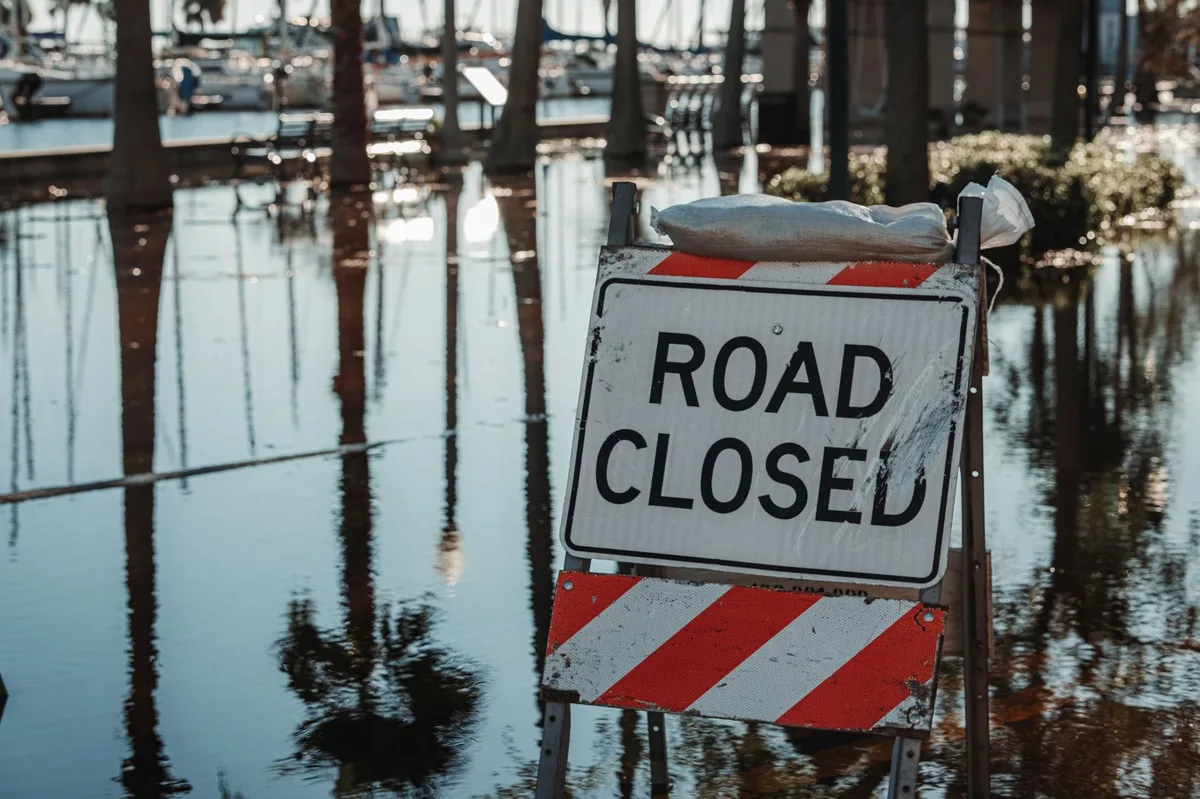
Pexels - Aviz Media · original
In this article
Key Takeaway: August and September mark peak Atlantic hurricane season. Before the next storm forms, verify your homeowners policy covers wind damage, confirm your hurricane deductible, secure separate flood insurance through NFIP or a private carrier, document your property and belongings, and review coverage limits to avoid underinsurance gaps.
Why August Demands a Coverage Check
The Atlantic hurricane season runs June 1 through November 30, with peak activity concentrated in August, September, and early October. According to the National Oceanic and Atmospheric Administration (NOAA), most major hurricanes form during this window when ocean temperatures reach their warmest.
Standard homeowners insurance (HO-3 policies) covers wind damage from hurricanes, but flood damage requires separate flood insurance. Many coastal and high-risk homeowners discover coverage gaps only after a storm hits. Use this checklist now, while you can still adjust your policy before the next named storm forms.
Your Hurricane Coverage Review Checklist
1. Verify Wind and Hail Coverage
Confirm your homeowners policy includes windstorm and hail coverage. Most HO-3 policies cover wind damage to your dwelling, other structures, and personal property as a named peril. Review your declarations page for:
- Dwelling coverage limit (Coverage A)
- Other structures coverage (Coverage B, typically 10% of Coverage A)
- Personal property coverage (Coverage C, typically 50-70% of Coverage A)
If you live in a high-risk coastal zone, your insurer may have excluded wind coverage or required you to purchase it through a state windpool or catastrophe fund. Check your policy exclusions section.
2. Understand Your Hurricane Deductible
Most coastal states require or allow insurers to apply a separate hurricane deductible, higher than your standard all-peril deductible. Hurricane deductibles are typically expressed as a percentage of your dwelling coverage (Coverage A), not a flat dollar amount.
Common hurricane deductible percentages: 1%, 2%, 5%, or 10% of Coverage A. For a home insured at $300,000 with a 5% hurricane deductible, you pay the first $15,000 of wind damage out of pocket before insurance coverage begins.
Review your declarations page for:
- Hurricane deductible percentage
- Trigger definition (when does it apply: named storm, wind speed threshold, or National Weather Service declaration?)
- Geographic radius or timeframe around the storm
3. Secure Flood Insurance
Standard homeowners policies exclude flood damage. You need separate flood insurance, available through the National Flood Insurance Program (NFIP) or private flood carriers.
NFIP coverage limits (as of August 2026):
- Building coverage: up to $250,000
- Contents coverage: up to $100,000
NFIP policies include a 30-day waiting period before coverage takes effect, so purchase before a named storm enters the forecast. According to the Federal Emergency Management Agency (FEMA), more than 20% of flood claims come from properties outside mapped high-risk flood zones, so consider coverage even if you are not in a Special Flood Hazard Area (SFHA).
If your home value or contents exceed NFIP limits, ask your agent about private flood insurance for higher coverage amounts.
4. Document Your Property and Belongings
Before a storm, create a detailed home inventory:
- Walk through each room and photograph or video all furniture, electronics, appliances, and valuable items
- Photograph the exterior of your home, roof, fencing, and landscaping
- Store receipts, appraisals, and serial numbers for high-value items
- Save your inventory documentation in cloud storage or off-site
Read also: Why Homeowners in the US Should Not Cut Insurance Coverage Before Hurricane Season
This documentation speeds up claims filing and helps you prove the value of damaged or destroyed property.
5. Review Replacement Cost vs. Actual Cash Value
Verify whether your policy pays replacement cost or actual cash value (ACV) for dwelling and personal property.
- Replacement cost: pays to rebuild or replace at current construction/purchase prices, with no depreciation deduction
- Actual cash value: pays replacement cost minus depreciation (age and wear)
For a 15-year-old roof destroyed by wind, ACV settlement might pay only 40-50% of the replacement cost. Replacement cost coverage costs more but avoids significant out-of-pocket expenses after a major loss. As covered in Principles of Finance, understanding depreciation and replacement value is fundamental to evaluating insurance adequacy.
6. Confirm Loss of Use Coverage
If hurricane damage makes your home uninhabitable, Coverage D (Loss of Use or Additional Living Expenses) pays for temporary housing, meals, and other increased costs while your home is repaired. Typical limits are 20-30% of your dwelling coverage.
For a home insured at $300,000, Loss of Use coverage might provide $60,000-$90,000. Verify your limit is sufficient for several months of hotel or rental costs in your area.
7. Check Additional Coverage Endorsements
Review optional endorsements that extend your base policy:
- Ordinance or law coverage: pays for upgrades required by current building codes when you rebuild
- Increased replacement cost or extended replacement cost: provides an additional percentage (typically 25-50%) above your dwelling limit if reconstruction costs exceed Coverage A
- Water backup coverage: covers sewer or drain backups during heavy rain
8. Review Your Insurer’s Financial Strength
Verify your insurance carrier has the financial strength to pay claims after a major hurricane. Check ratings from A.M. Best, Moody’s, or Standard & Poor’s. Carriers rated A- or higher are generally considered financially stable. According to the Insurance Information Institute, financial strength ratings help you assess whether your insurer can handle catastrophic loss events.
9. Contact Your Agent or Carrier
Call your agent or insurer to:
- Confirm your current coverage limits and deductibles
- Ask about endorsements or increased limits if you are underinsured
- Verify your policy is active and premiums are current
- Update your contact information and designated beneficiaries
Coverage changes typically require written requests and may not take effect immediately, so start this conversation at least 30 days before peak storm season.
When to Act
Do not wait for a named storm to appear in the forecast. Insurers often impose coverage moratoriums (refusing new policies or changes) 24-48 hours before a storm enters a designated geographic area. Once a hurricane watch or warning is issued for your region, it is too late to purchase or increase coverage for that event.
Final Reminder
This checklist provides general educational information about reviewing homeowners and flood coverage during hurricane season. Coverage terms, deductibles, exclusions, and availability vary by state, insurer, and individual policy. Hurricane preparedness also includes physical home hardening, evacuation planning, and emergency supplies, topics beyond the scope of this insurance review.
For personalized guidance on your coverage needs, consult a licensed insurance agent in your state and verify current policy terms directly with your carrier. State Departments of Insurance provide consumer resources and complaint assistance if disputes arise.
Financial Disclaimer: This article is for educational purposes only and does not constitute personalized insurance, financial, or legal advice. Insurance products, premiums, coverage limits, deductibles, and regulatory requirements vary by state, carrier, and individual circumstances. Verify all coverage details, terms, and exclusions with a licensed insurance professional and your specific policy documents before making coverage decisions.
Sources
- Flood Insurance (accessed )
- How Much Homeowners Insurance Do I Need (accessed )
- Consumer Information (accessed )
- Principles of Finance (accessed )
Related articles

Why Homeowners in the US Should Not Cut Insurance Coverage Before Hurricane Season
Learn why US homeowners should avoid cutting coverage before hurricane season and what to review instead.

Hurricane Season 2027: Complete Coverage Review Guide Before June 1
Review your homeowners and flood insurance before hurricane season 2027 starts June 1. Step-by-step guide to ensure adequate coverage.
Hurricane Season 2026 Insurance Review: Is Your Home Coverage Ready in the US
Review your home insurance for hurricane season 2026. Check dwelling limits, deductibles, flood coverage, and claims prep with this US homeowner checklist.
