Hurricane Season 2026 Insurance Review: Is Your Home Coverage Ready in the US
Hurricane season 2026 is here. Use this checklist to review your homeowners and flood coverage before a storm hits your area.
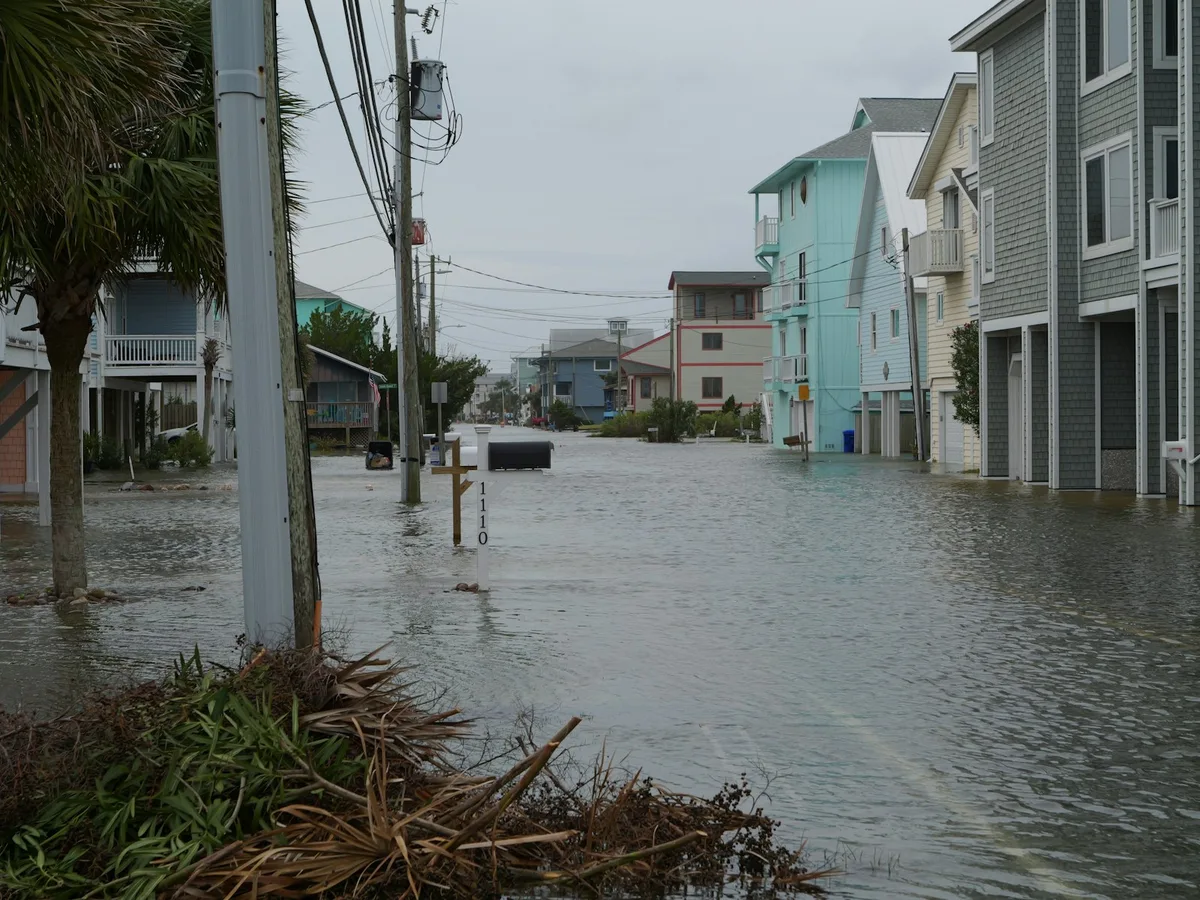
Unsplash - Richard R · original
In this article
Hurricane season 2026 runs from June 1 through November 30, with peak activity expected in August and September. Now is the time to review your homeowners insurance to confirm your dwelling coverage, windstorm deductible, and flood policy are current and adequate. Most hurricane damage requires separate flood insurance, which standard homeowners policies exclude, so verifying both coverages before a storm forms protects you from financial gaps.
The 2026 Atlantic hurricane season forecast calls for above-average activity, and coastal and inland homeowners across the southeastern United States should use the next few weeks to audit their insurance. A policy review takes less than an hour and can prevent claim disputes and coverage shortfalls after a storm. Work through this checklist now, while you have time to adjust limits or add coverage.
1. Verify Your Dwelling Coverage Limit
Your dwelling coverage (Coverage A on most policies) pays to rebuild your home after hurricane wind damage. Confirm the limit matches your home’s current replacement cost, not its market value or the amount you paid. Construction costs have risen significantly in recent years, and an outdated limit leaves you underinsured. According to the Insurance Information Institute, many homeowners carry dwelling coverage 20 to 30 percent below true replacement cost (III, 2026).
Call your agent or check your policy declarations page for the Coverage A amount. If your home would cost more to rebuild than that figure, request a coverage increase before hurricane season peaks.
2. Check Your Hurricane or Windstorm Deductible
Most coastal policies in hurricane-prone states (Florida, Texas, Louisiana, North Carolina, South Carolina, Georgia, and others) carry a separate hurricane or windstorm deductible, often 2 to 5 percent of your dwelling coverage limit. This deductible applies per storm, not per year, and is much higher than your standard policy deductible.
A home insured for $300,000 with a 5 percent hurricane deductible means you pay the first $15,000 of wind damage out of pocket. Review your policy’s Special Deductibles or Hurricane Deductible section and confirm you can afford that amount if a storm hits. Some states allow you to buy down the percentage for a higher premium.
3. Confirm Flood Insurance Is Active and Current
Standard homeowners insurance excludes flood damage. You need a separate flood policy through the National Flood Insurance Program (NFIP) or a private flood carrier. Hurricane storm surge, heavy rainfall, and river flooding cause the majority of property loss during hurricanes, and without flood coverage you receive no payout for water damage.
If you have NFIP coverage, confirm the policy is active and the premium has been paid. NFIP policies include a 30-day waiting period after purchase, so you cannot buy coverage once a storm is named and expect immediate protection (FEMA, 2026). Review your flood policy limits for both building coverage and contents coverage, and increase them if your home value or belongings have grown.
4. Review Additional Living Expenses (ALE) Coverage
If a hurricane makes your home uninhabitable, Coverage D (Additional Living Expenses or Loss of Use) pays for temporary housing, meals, and other costs while repairs are underway. This coverage typically equals 20 to 30 percent of your dwelling limit, but that may not be enough if you are displaced for months in a tight rental market after a major storm.
Check your ALE limit on the declarations page and consider increasing it if you live in an area where post-storm housing will be expensive or scarce.
Read also: Why Homeowners in the US Should Not Cut Insurance Coverage Before Hurricane Season
5. Document Your Home and Belongings
Before a hurricane, create a detailed home inventory with photos or video of each room, your belongings, and any recent renovations or improvements. Capture serial numbers, receipts, and high-value items. Store this documentation in the cloud or off-site so you have proof of loss if your home is damaged.
The inventory speeds up the claims process and helps you recover full value for damaged or destroyed property. Update it annually and after any major purchases.
6. Know Your Claim Filing Process
Review your policy’s claim filing requirements now, not after a storm. Most carriers require you to report damage within a specific time frame (often 48 to 72 hours after the storm passes), document the damage with photos, make temporary repairs to prevent further loss, and provide a detailed inventory of damaged items.
Save your insurer’s claim hotline number and your policy number in your phone, and know whether your policy allows you to file online or requires a phone call. Confirm your contact information on file is current so the adjuster can reach you.
7. Check Your Policy Status and Premium Payment
Confirm your homeowners and flood policies are active and premiums are paid through hurricane season. A lapsed policy provides no coverage, and insurers will not reinstate a policy after a named storm is approaching. Log in to your carrier’s portal or call your agent to verify both policies show active status.
8. Review Exclusions and Special Limits
Homeowners policies impose special limits on certain high-value items such as jewelry, electronics, art, and collectibles, often capping coverage at $1,000 to $2,500 total. If you own valuables that exceed these limits, schedule them separately or buy a personal articles floater to insure them at full value. Review your policy’s exclusions section to understand what is not covered, such as mold, earth movement, or certain types of water damage.
Conclusion
Hurricane season 2026 is underway, and reviewing your homeowners and flood insurance now protects you from coverage gaps and claim disputes if a storm strikes your area. Work through this checklist over the next week, adjust any limits or deductibles that fall short, and keep your policy documents and insurer contact information accessible. Coverage rules, premiums, and flood zone maps vary by location, so consult a licensed insurance agent in your state for guidance on your specific situation. A proactive review today can save you thousands of dollars and significant stress after a hurricane.
Disclaimer: This article provides general educational information about homeowners and flood insurance for hurricane preparedness and does not constitute personalized insurance, financial, or legal advice. Coverage terms, deductibles, exclusions, and availability vary by state, carrier, and individual policy. Consult a licensed insurance agent in your state and review your specific policy documents to understand your coverage, limits, and claim filing requirements before hurricane season.
Sources
- Hurricanes and Windstorms (accessed )
- Flood Insurance (accessed )
- Consumer Insurance Information (accessed )
Related articles

Why Homeowners in the US Should Not Cut Insurance Coverage Before Hurricane Season
Learn why US homeowners should avoid cutting coverage before hurricane season and what to review instead.
Florida Hurricane Insurance Checklist for Homeowners in the US
Florida hurricane insurance checklist for US homeowners: review wind, flood, deductibles, documents, and claims before storm season.

How Deductibles Affect Your Home Insurance Premium: A Complete Guide
Discover how homeowners insurance deductibles impact your premium costs and learn to choose the right deductible for your financial situation.
